Rehypothecation Controls in Onchain Prime Brokerage: Minimizing Risks for DeFi Margin Traders

In the high-stakes arena of DeFi margin trading, rehypothecation controls stand as a critical bulwark against the cascading failures that have plagued traditional finance. Onchain prime brokerage platforms like DefiPrimeBroker. com are pioneering precise mechanisms to govern how collateral is reused, ensuring traders retain oversight while unlocking leverage. This transparency, etched immutably on the blockchain, transforms a once-opaque practice into a verifiable process, slashing DeFi rehypothecation risks without stifling capital efficiency.

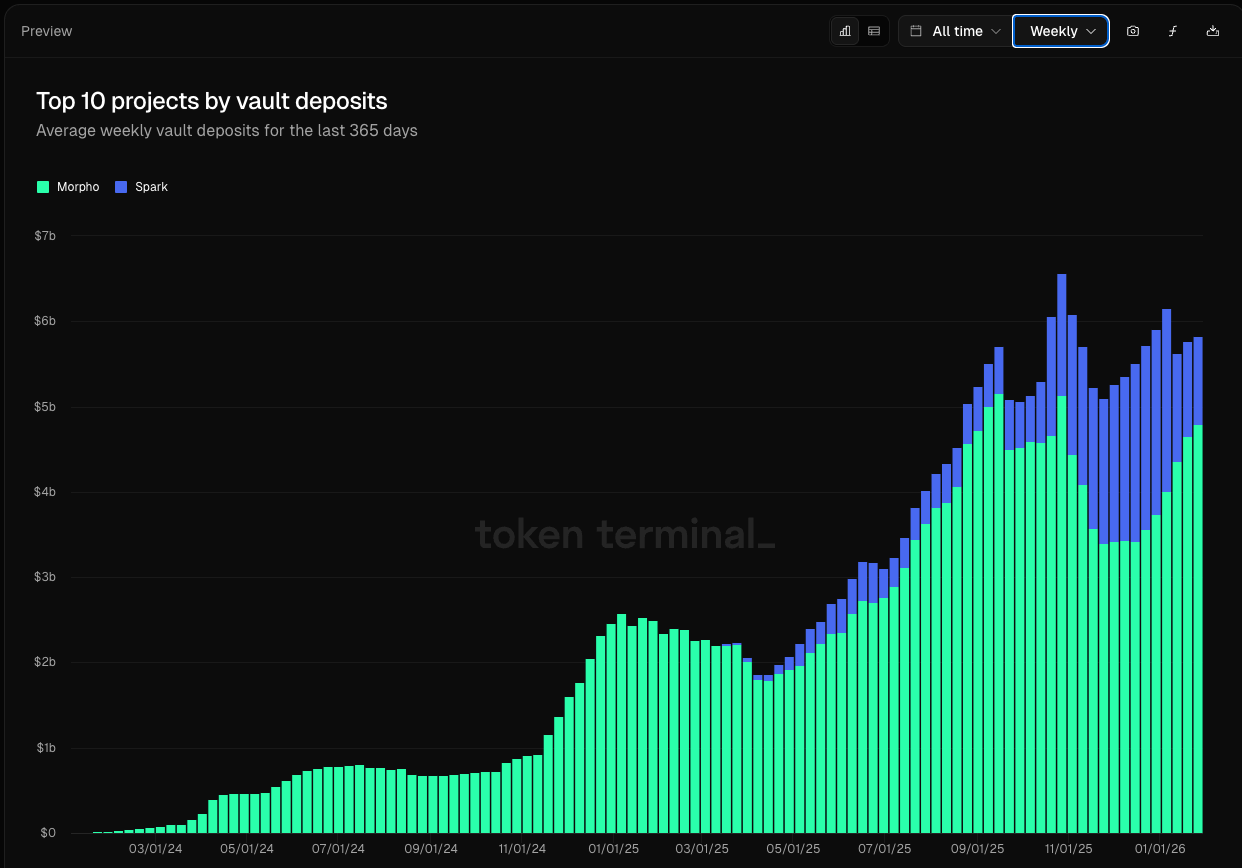
The Anatomy of Rehypothecation in Onchain Prime Brokerage Margin
Rehypothecation occurs when a broker pledges client collateral to secure its own funding or trades, amplifying returns but introducing leverage chains vulnerable to defaults. In traditional setups, this opacity fueled crises like Lehman Brothers, where hidden rehypothecation amplified losses. DeFi flips the script: every transaction is public, enabling onchain prime brokerage margin with granular controls.
Consider a margin trader posting ETH as collateral for a BTC long. Without controls, the broker might loop that ETH into multiple loans, creating fragility. Platforms now embed smart contract toggles, letting users cap reuse ratios or blacklist certain protocols. DefiPrimeBroker. com exemplifies this, offering sliders for rehypothecation limits – say, 120% of debit balance – mirroring SEC Rule 15c3-3 yet enforced by code, not custodians.
This precision matters as DeFi lending balloons. Galaxy Research highlights crypto lending’s opacity, but onchain tools dissect it: real-time dashboards track collateral velocity, alerting on overexposure. Traders gain margin trading controls blockchain natively, sidestepping the ‘coin flip’ risks Oliver Yates flags for 2026 DeFi.
Traditional vs Onchain Rehypothecation
| Aspect | Traditional Finance | Onchain DeFi |
|---|---|---|
| Visibility | Opaque | Fully Transparent |
| Limits | Regulatory 140% | Custom Smart Contract |
| Risk Mitigation | Custodial Audits | Real-time Onchain Monitoring |
| Examples | Lehman 2008 | DefiPrimeBroker Controls |
Blockchain Transparency: The Core of Risk Minimization
Blockchain’s ledger turns rehypothecation from a black box into a glass one. Every collateral movement – deposit, loan issuance, repayment – bears a transaction hash, queryable by any trader. This verifiability underpins uncustodial prime broker DeFi, where users retain private keys yet delegate margin execution.
FalconX’s push into Hyperliquid financing underscores the shift: risk discipline migrates onchain, cross-margining DeFi with CeFi assets under one view. Yet true innovation lies in permissionless audits. A trader spots excessive reuse? They fork the position via flash loans, enforcing discipline without intermediaries.
DL News’ State of DeFi 2025 report notes yield markets’ structural evolution; rehypothecation controls accelerate this, calibrating risks to borrower demand. Platforms like Arkis go further, nixing rehypothecation outright for purists, ensuring collateral idles safely while others optimize via toggles.
Customizable Controls for Sophisticated DeFi Strategies
For institutional traders, one-size-fits-all fails. DefiPrimeBroker. com delivers rehypothecation dashboards with API hooks: set dynamic limits based on volatility, whitelist protocols like Aave or Compound, even automate wind-downs if reuse exceeds thresholds. This methodical layering minimizes systemic spillovers, echoing my FRM frameworks.
Regulatory winds bolster this. Norton Rose Fulbright flags 2026 as pivotal; DeFi’s proactive controls preempt FCA or SEC scrutiny, aligning with CoinDesk’s unilateral control debates. Figure’s institutional yields show demand, but without controls, rehypothecation defaults – per Binance – cascade insolvency.
Margin traders now dictate terms: toggle off for conservative plays, cap at 2x for aggressive ones. Mudrex’s 2026 predictions spotlight DeFi’s maturation; these tools cement it, turning risks into calibrated opportunities.
These toggles extend to sophisticated risk metrics, such as collateral velocity – the rate at which assets cycle through loans – and chain length, capping nested rehypothecation at predefined depths. In practice, this prevents the domino effects seen in past crypto blowups, where unchecked reuse amplified liquidations. DefiPrimeBroker. com’s real-time reporting dashboard quantifies these, displaying velocity scores alongside value-at-risk projections tailored to user portfolios.
Quantifying Risks: Metrics That Matter for Margin Traders
Effective rehypothecation controls DeFi demand measurable guardrails. Velocity above 5x signals fragility; platforms enforce alerts or auto-liquidations at user-set thresholds. Chain length metrics track reuse depth: a collateral looping three times magnifies default exposure exponentially. My FRM frameworks integrate these into onchain logic, where oracles feed volatility data to dynamically adjust caps – tighter in turbulent markets, looser during stability.
Galaxy Research exposes lending opacity, but onchain prime brokerage pierces it. Traders query reuse paths via subgraph APIs, revealing if their ETH underpins a Hyperliquid perp or Aave pool. This visibility empowers proactive hedging, blending margin trading controls blockchain with derivatives for holistic protection.
Institutional shifts amplify this precision. LiquidityFinder notes 2026’s structured trading; FalconX and Ripple Prime exemplify hybrid models, layering CeFi risk engines atop DeFi rails. Yet purists favor uncustodial setups, where non-custodial wallets execute margin via account abstraction, retaining key control amid toggled reuse.
Regulatory Alignment: Future-Proofing DeFi Prime Brokerage
2026’s regulatory pivot, per Norton Rose Fulbright, tests DeFi’s mettle. Proactive controls preempt mandates, mirroring SEC’s 140% limit while exceeding via code-enforced 120% defaults. CoinDesk’s FCA debates hinge on control; onchain toggles prove unilateral custody absent, shielding protocols from overreach. DeFi Education Fund’s advocacy aligns here: obligations tie to asset dominion, absent in transparent reuse.
Arkis’s no-rehyp model suits regulators, but flexible platforms win. Figure’s yields draw institutions craving leverage sans opacity; pair with controls, and APYs hold firm against defaults Binance warns of. Mudrex forecasts DeFi’s surge amid RWAs and AI agents; calibrated rehypothecation fuels it, balancing yield with resilience.
For the trader navigating 2026’s volatility, these tools shift paradigms. No longer passive collateral holders, they orchestrate reuse like conductors, dialing efficiency to strategy. Oliver Yates credits maturing baselines; indeed, structural evolutions DL News charts position onchain prime brokerage margin as cornerstone.
Risk managed is opportunity gained. Platforms embedding these controls don’t just minimize DeFi rehypothecation risks; they architect antifragile systems, thriving on shocks. As institutions pile in, expect uncustodial prime brokers to dominate, their blockchain verifiability the ultimate compliance moat. Margin trading enters an era of precision, where every toggle unlocks alpha without the abyss.