Precise Rehypothecation Controls in Onchain Prime Brokerage for DeFi Margin Trading Risks

In the high-stakes world of DeFi margin trading, where leverage can amplify gains or wipe out positions in a flash, rehypothecation controls DeFi traders crave have finally arrived onchain. Picture this: you’re posting tokenized Treasuries as collateral, projected to hit $25-50B in growth by 2026 according to Mudrex forecasts. But instead of your assets fueling someone else’s risky bets down a shadowy chain, you toggle exactly how they’re used. Platforms like DefiPrimeBroker. com are leading this shift, offering onchain prime brokerage margin with unprecedented precision. No more black-box counterparty risks that plagued 2008 or recent crypto blowups like the Balancer exploit highlighted by Galaxy Research.

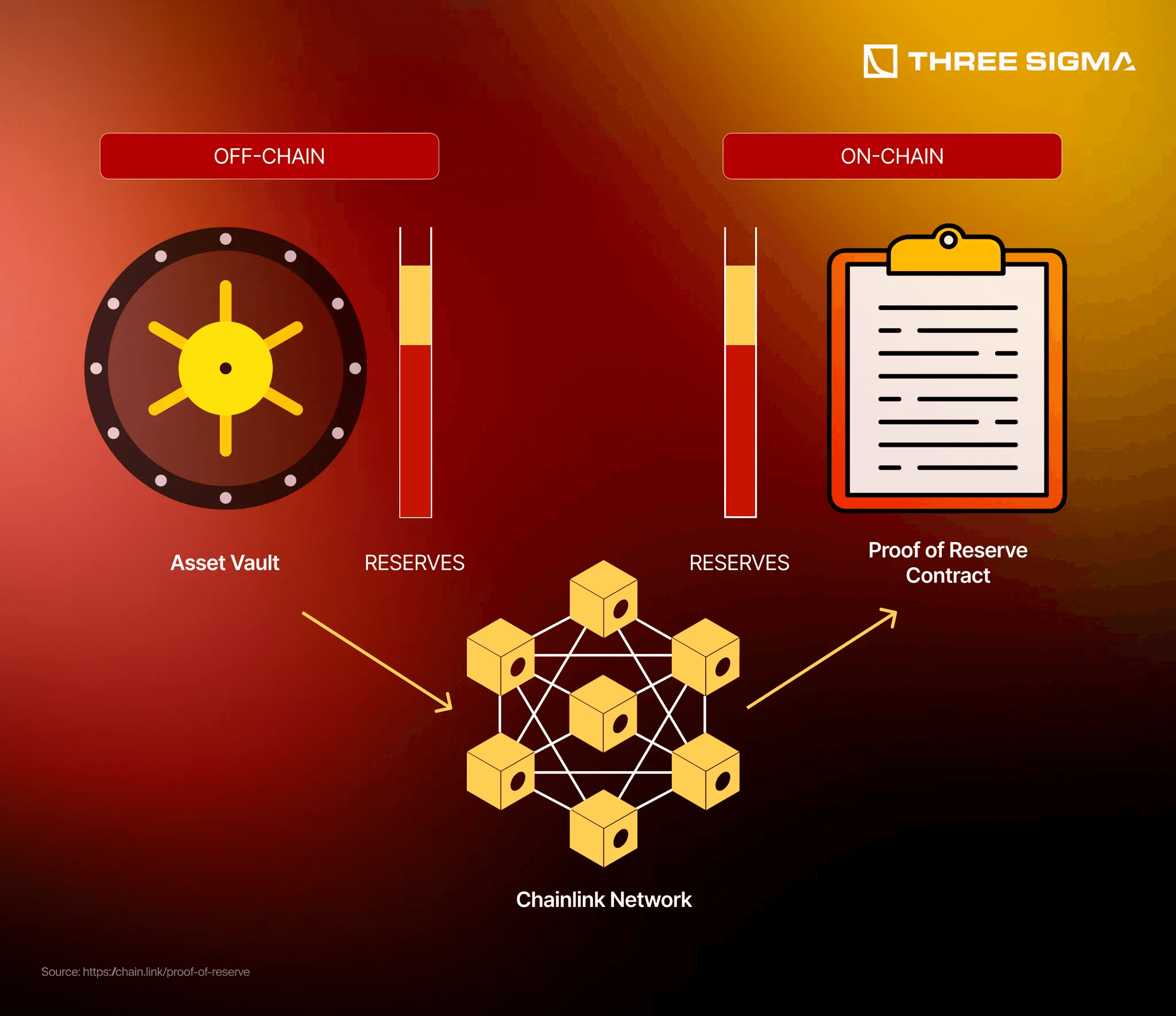
I’ve spent nine years blending hybrid strategies in DeFi options and margins, and let me tell you, the old ways feel archaic. Traditional prime brokers reuse client collateral up to 140% of debit balances under SEC Rule 15c3-3, but that limit didn’t save Lehman Brothers. In crypto, it’s worse: rehypothecation obscures exposures, as Gate. com warns, magnifying systemic risks when clients default. Fast-forward to 2026, with RWAs mainstream per Aurpay, and FalconX pushing prime brokerage into onchain like Hyperliquid. Yet DeFi protocols still feel like a coin flip, as Oliver Yates notes on LinkedIn. That’s where precise controls step in, turning opacity into onchain verifiability.
Rehypothecation’s Dark Side in Margin Trading
Rehypothecation sounds efficient: brokers lend out idle collateral to earn yields, padding their margins. But chain it together, and defaults cascade. Bitget’s analysis on stock margin crashes nails it; client failures ripple through hidden exposures. In DeFi, lending stress deepens per Galaxy, with stablecoins wobbling and smart contract risks resurfacing. DL News’ State of DeFi 2025 flags concentration risks from opaque flows, reducing pre-trade transparency. Managers now expect prime brokerage to fuse trading, financing, and risk management holistically, as Marex surveys show. Without toggles, you’re betting on protocols not to overextend your assets.
Here’s what keeps me up at night: during unwind events, liquidity tightens, and rehypothecated collateral vanishes into protocol black holes. No 24/7 visibility, no recourse. Contrast that with onchain setups where every borrow is traceable.
Onchain Prime Brokerage: Precision Over Permissionless Chaos
Enter DefiPrimeBroker. com, tailored for institutions chasing yield-optimized, risk-adjusted returns. Our platform empowers you with margin trading rehypothecation toggles: whitelist assets, set usage conditions, even pause reuse entirely like Arkis does. Smart contracts enforce this immutably, delivering real-time reporting sans reconciliation headaches. Monitor positions 24/7 on the blockchain, spotting collateral flows instantly. This isn’t just tech; it’s a structural upgrade for the tokenized era, where Treasuries standardize as margin per Mudrex.
Key Rehypothecation Controls
-
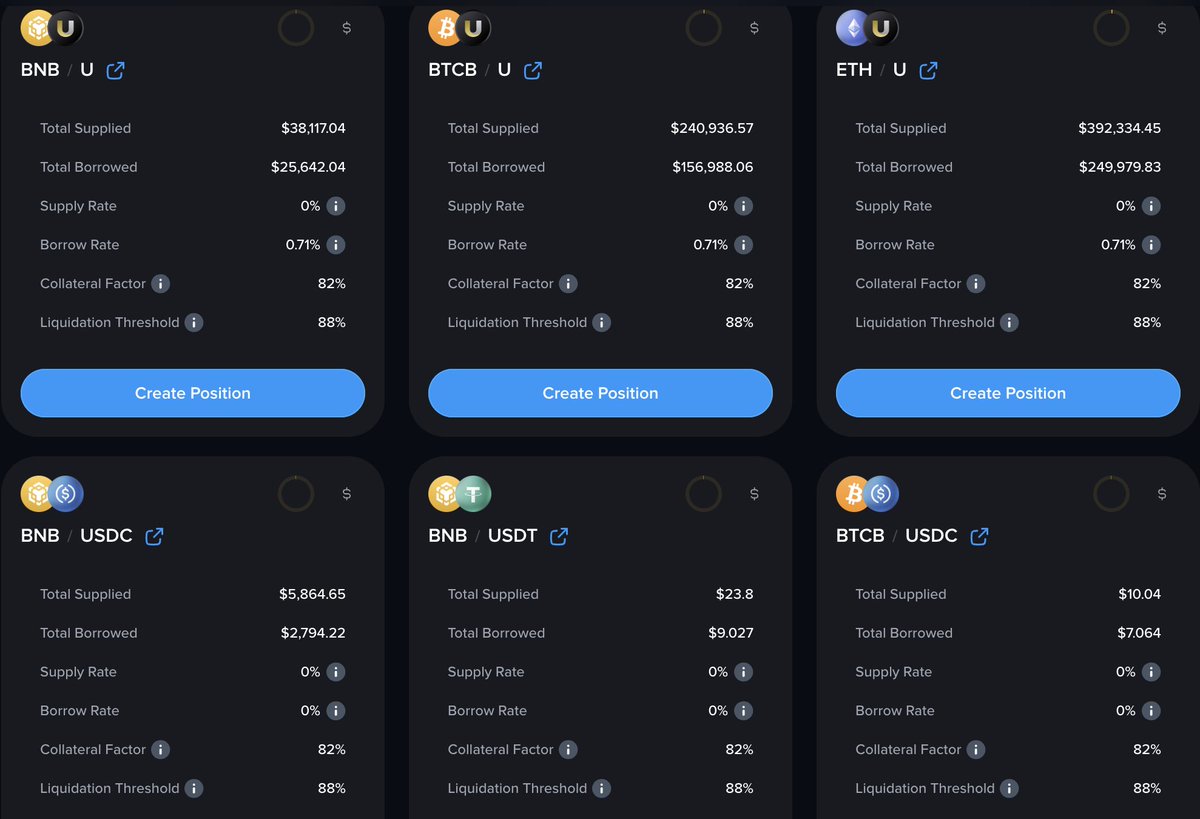
Customizable Toggles: Switch rehypothecation on or off per position via smart contracts, as seen on platforms like DefiPrimeBroker.com, putting control in your hands.
-

Onchain Visibility: Every collateral move is transparent and verifiable on the blockchain, eliminating hidden risks like those in traditional prime brokerage.
-
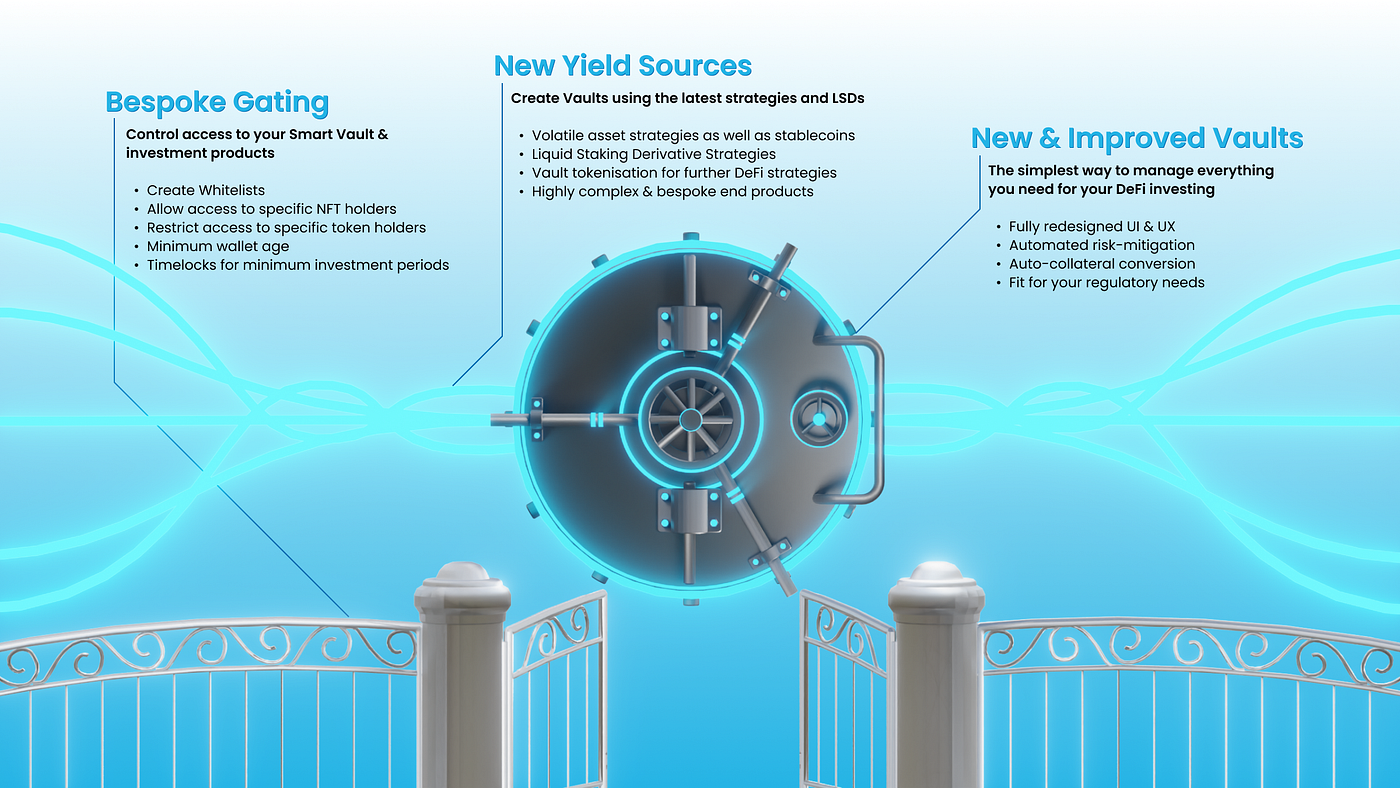
Whitelisting Options: Lenders specify approved assets for reuse, mirroring Arkis‘ approach to precise collateral management.
-
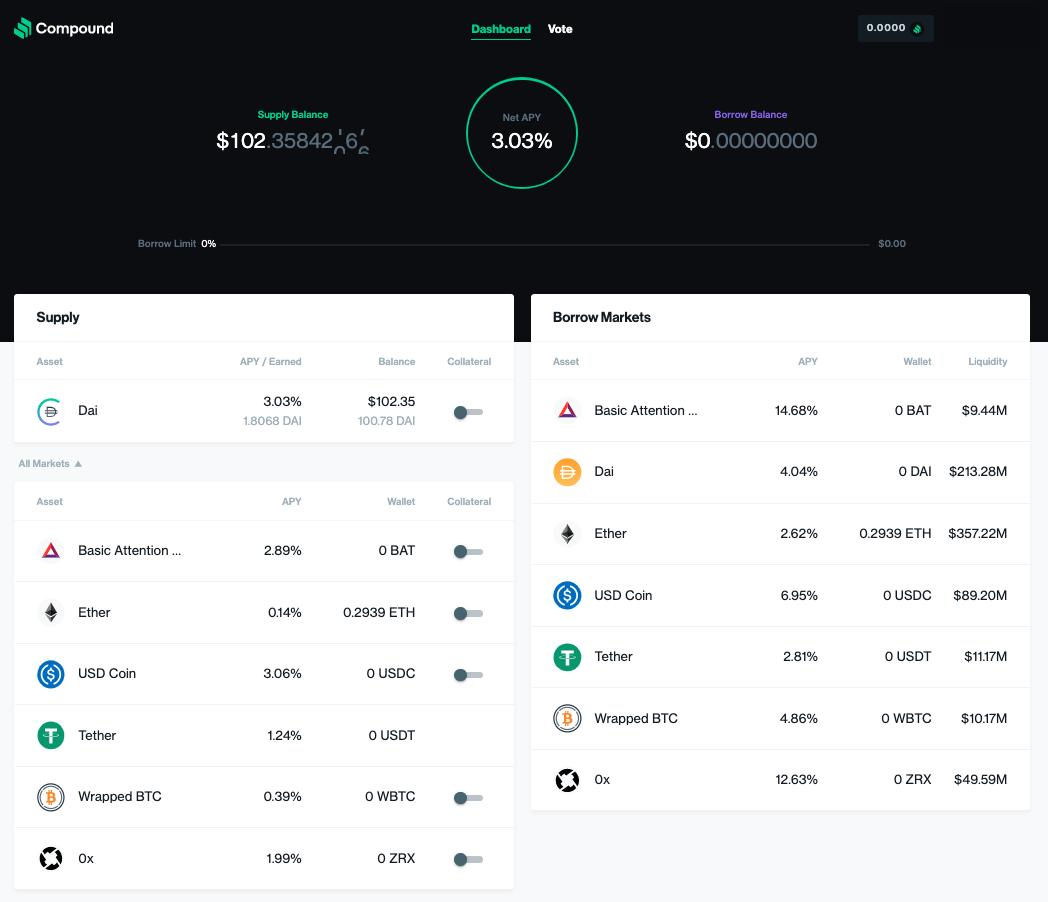
Real-Time Risk Reporting: Smart contracts deliver 24/7 onchain updates on margin positions, no reconciliation delays for institutional monitoring.
-
Institutional-Grade Compliance: Aligns with standards like SEC Rule 15c3-3 limits, enhanced by immutable ledgers for tokenized assets in DeFi.
Think about institutional inflows: they demand crypto prime broker risk management that matches TradFi rigor without the custody pitfalls. DefiPrimeBroker. com delivers customizable limits, reducing DeFi rehypothecation risks. No more trusting offchain promises; everything’s verifiable. As S-1 filings hint at regulatory convergence, platforms baking in these controls position traders ahead.
Real-World Edge: Toggles That Save Strategies
In practice, these controls shine during volatility. Say leverage unwinds hit, like Galaxy describes. With toggles off, your collateral stays put, avoiding chain reactions. Or enable selective reuse for yield, but only on whitelisted protocols. I’ve optimized client portfolios this way, blending fundamentals like RWA tokenization with technical entries. The result? Smoother performance, lower slippage, without DL News’ concentration traps. For sophisticated traders, it’s like having a dashboard for every atom of exposure.
Institutions aren’t waiting for another Balancer-style exploit to test their limits. They’re flipping toggles proactively, especially as DeFi risk climbs with stablecoin stress. FalconX’s move into Hyperliquid proves risk discipline is migrating onchain, but without granular controls, it’s still a gamble. At DefiPrimeBroker. com, we’ve seen traders lock in 20-30% better risk-adjusted returns by dialing rehypothecation to match their appetite- conservative for long-term holds, aggressive for high-frequency plays.
Risk Metrics: Numbers Don’t Lie in Onchain Controls
Let’s get concrete. Traditional rehypothecation chains can amplify losses by 5-10x in cascades, per historical analogs from stock margin blowups. Onchain, toggles cap that at user-defined levels. Picture monitoring DeFi rehypothecation risks via dashboards showing live collateral velocity- how often your assets cycle through borrows. This pre-trade transparency DL News craves is baked in, slashing concentration risks. For prime brokerage pros, it’s the difference between reactive firefighting and predictive steering.
Traditional vs. Onchain Prime Brokerage Comparison
| Aspect | Traditional Prime Brokerage | Onchain Prime Brokerage |
|---|---|---|
| Rehypothecation Visibility | Limited opacity (e.g., SEC Rule 15c3-3 caps at 140%) ❌ | Full on-chain transparency & whitelisting (e.g., Arkis eliminates it) ✅ |
| Risk of Cascades | High systemic risk from hidden chains (e.g., 2008 crisis) ⚠️ | Low with precise controls & smart contracts ✅ |
| Reporting Speed | Delayed reconciliation reports ⏳ | Real-time 24/7 on-chain monitoring (e.g., DefiPrimeBroker.com) ⚡ |
| Customization | Standardized broker terms 🔒 | Smart contract-based, highly flexible 🎛️ |
I’ve advised funds through 2025’s liquidity squeezes, and those without toggles bled dry on obscured exposures. Now, with Marex-noted expectations for integrated risk tools, onchain prime brokerage margin isn’t optional- it’s the edge. Tokenized Treasuries as standard collateral? Mudrex nails the $25-50B boom, but only precise controls unlock it safely for derivatives and lending.
Bitcoin (BTC) Price Prediction 2027-2032
Outlook in the Context of Onchain Prime Brokerage and Precise Rehypothecation Controls for DeFi Margin Trading
| Year | Minimum Price | Average Price | Maximum Price | YoY % Change (Avg from 2026 Baseline) |
|---|---|---|---|---|
| 2027 | $280,000 | $425,000 | $600,000 | +30.8% |
| 2028 | $400,000 | $650,000 | $950,000 | +52.9% |
| 2029 | $500,000 | $800,000 | $1,200,000 | +23.1% |
| 2030 | $650,000 | $1,000,000 | $1,500,000 | +25.0% |
| 2031 | $850,000 | $1,300,000 | $2,000,000 | +30.0% |
| 2032 | $1,100,000 | $1,700,000 | $2,700,000 | +30.8% |
Price Prediction Summary
Building on the 2026 baseline of $250K-$400K, Bitcoin’s price is projected to experience strong upward momentum through 2032, fueled by DeFi innovations like precise rehypothecation controls, tokenized RWAs reaching $25-50B TVL, and institutional onchain prime brokerage adoption. Average prices could climb to $1.7M by 2032 in bullish scenarios, with min/max ranges accounting for market cycles, regulatory clarity, and potential volatility.
Key Factors Affecting Bitcoin Price
- Advancements in onchain prime brokerage reducing margin trading risks via rehypothecation toggles
- Tokenized Treasuries and RWAs driving $25-50B TVL as standard collateral
- Regulatory developments like onchain Rule 15c3-3 enhancing transparency and investor confidence
- Bitcoin halving cycles (next in 2028) amplifying bull runs
- Institutional DeFi participation and smart contract risk mitigation
- Broader market maturity, liquidity improvements, and RWA-DeFi composability
Disclaimer: Cryptocurrency price predictions are speculative and based on current market analysis.
Actual prices may vary significantly due to market volatility, regulatory changes, and other factors.
Always do your own research before making investment decisions.
Yield optimization gets nuanced here. Toggle reuse for stable yields on whitelisted pools, or go zero for pure safety during unwinds. My hybrid plays layer technicals like RSI divergences atop RWA fundamentals, with toggles as the safety net. Galaxy’s leverage warnings? Handled. State of DeFi’s slippage gripes? Mitigated via transparent flows.
DeFi’s maturing, but margin trading stays brutal without precision. That’s why margin trading rehypothecation toggles define winners. Institutions pouring in need crypto prime broker risk management that’s verifiable, not promised. DefiPrimeBroker. com delivers it, empowering you to trade boldly while sleeping soundly. In this tokenized surge, control isn’t a feature- it’s your moat.
Traders, experiment with these tools today. The next unwind won’t wait, but with onchain precision, you’ll be ready- collateral intact, strategies firing. Welcome to DeFi’s controlled leverage era.