Institutional Onchain Prime Brokerage: Compliance Tools for 2026 DeFi

In the pulsating heart of 2026 DeFi, where institutional onchain prime brokerage surges forward, picture a landscape transformed: trillions in traditional assets tokenized, stablecoins powering daily settlements, and hedge funds executing margin trades across chains without a single off-ramp. Yet, beneath this onchain euphoria lies a stark reality. Institutions, eyeing the World Economic Forum’s forecast of entire asset classes migrating onchain, demand ironclad compliance. No longer can they tolerate anonymous liquidity pools or murky fund flows, as Elliptic’s outlook warns of intensified scrutiny on regulated players diving into DeFi. Enter platforms like DefiPrimeBroker. com, arming traders with precise rehypothecation toggles and margin controls tailored for this regulatory gauntlet.

February’s breakthroughs amplify this shift. Chainlink’s Runtime Environment weaves compliance into smart contracts, enabling seamless oracle-fed verifications. Arkis Protocol fuses CeFi-grade credit with DeFi transparency, while Integral’s PrimeOne streamlines stablecoin-based prime services on Codex. Polymesh embeds compliance at the blockchain core, and innovations like Know Your Contract extend EU trust frameworks onchain. These aren’t gimmicks; they’re the scaffolding for DeFi compliance margin 2026 demands, where AML, risk scanning, and audit trails prevent the next blowup.
Comparison of Key Compliance Tools in 2026 Onchain Prime Brokerage Protocols
| Compliance Tool | Chainlink CRE | Arkis | Integral PrimeOne | Polymesh |
|---|---|---|---|---|
| On-Chain AML Screening Engine (e.g., Chainalysis Prime) | ✅ (Oracle & API integration) | ✅ (Advanced risk management) | ✅ (Onboarding & institutional controls) | ✅ (Protocol-level verification) |
| Rehypothecation Audit Trail Verifier | ✅ (Smart contract audit trails) | ✅ (Collateral management) | ✅ (Net settlement tracking) | Partial (Securities focus) |
| Automated Margin Limit Enforcer with Liquidation Bot | 🔄 (Orchestration layer enabled) | ✅ (Native margin & liquidation) | ✅ (Credit & trading platform) | ❌ (Not primary focus) |
| Institutional KYC/AML Gateway Integrator | ✅ (External infra & privacy features) | ✅ (Permissioned CeFi+DeFi) | ✅ (Single account streamlining) | ✅ (Embedded compliance) |
| Real-Time Regulatory Reporting Dashboard | ✅ (Cross-chain oracle reporting) | ✅ (On-chain transparency) | ✅ (Integrated platform) | ✅ (Consensus-enforced logs) |
| Counterparty Exposure Risk Scanner | ✅ (Financial infra connectivity) | ✅ (Sophisticated risk tools) | ✅ (Market maker exposure) | ✅ (Native counterparty checks) |
Navigating 2026’s Regulatory Inflection Point
Silicon Valley Bank’s predictions paint a vivid chart: institutional capital flooding in, RWA tokenization exploding, stablecoins hitting new peaks. But Kraken’s blog tempers optimism with macro headwinds, underscoring why rehypothecation audit tools become non-negotiable. Institutions crave visibility into collateral reuse, a vulnerability exposed in past cascades. DefiPrimeBroker. com’s toolkit shines here, offering toggles that halt excessive rehypothecation mid-trade, visualized in real-time dashboards where green zones signal safety, red flags trigger alerts.
Galaxy’s M and A review highlights liquidity consolidation, yet governance risks loom. Fireblocks notes how institutional inflows invite regulators, pushing protocols toward automated checks. This is where the top six compliance tools for institutional onchain prime brokerage take center stage, prioritizing AML, rehypothecation controls, and margin management to align with 2026 regs.

Unpacking the Top Compliance Arsenal
Top 6 Compliance Tools
-

On-Chain AML Screening Engine (e.g., Chainalysis Prime): Real-time blockchain analytics detect illicit flows, ensuring institutions avoid sanctioned entities per Elliptic’s 2026 DeFi trends.
-

Rehypothecation Audit Trail Verifier: Immutable on-chain logs track collateral reuse, mitigating risks in prime brokerage like Arkis Protocol’s controls.
-
Automated Margin Limit Enforcer with Liquidation Bot: Enforces limits and auto-liquidates positions, integrating with Integral PrimeOne for stablecoin-based margin safety.
-

Institutional KYC/AML Gateway Integrator: Seamless API gateways bind KYC to contracts via Know Your Contract frameworks, enabling compliant cross-chain access.
-
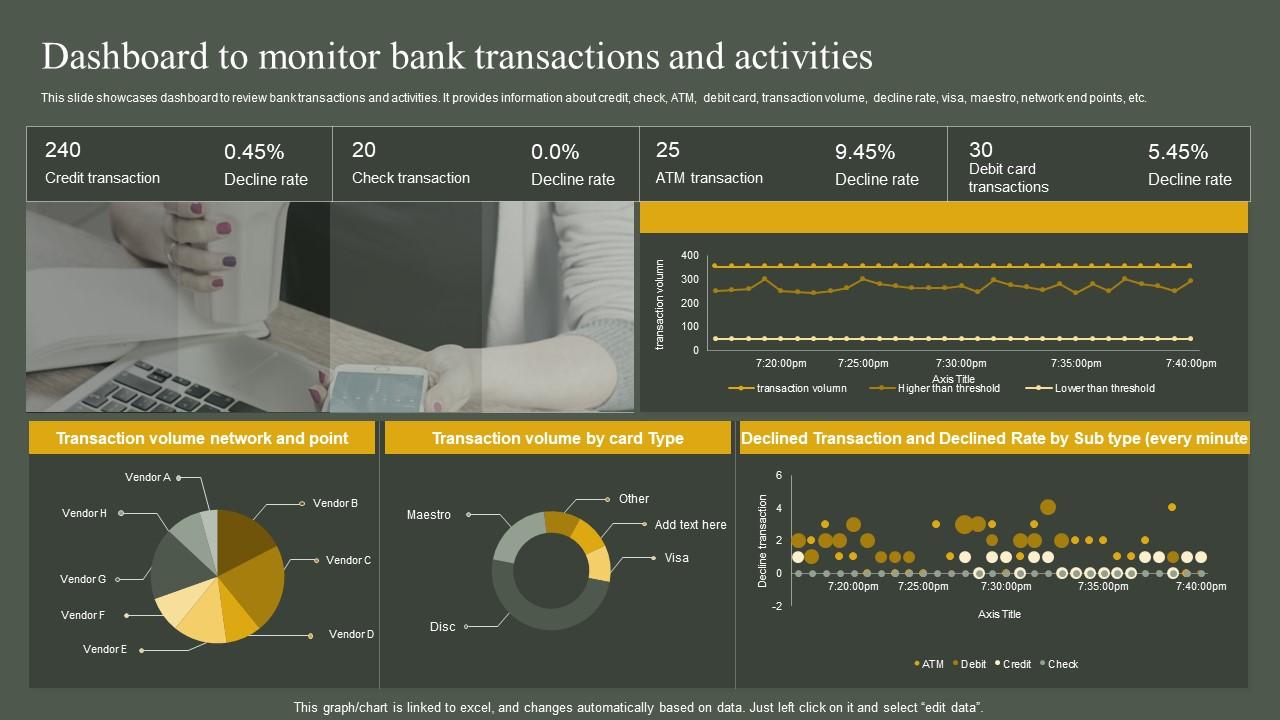
Real-Time Regulatory Reporting Dashboard: Aggregates Chainlink CRE data for instant MiCA/SEC reports, streamlining institutional oversight.
-
Counterparty Exposure Risk Scanner: Scans exposures using FedGraph-VASP privacy-preserving AML, preventing hidden risks in DeFi lending.
Foremost stands the On-Chain AML Screening Engine, exemplified by Chainalysis Prime. Imagine transactions stalling at the mempool edge if tainted funds surface, graphs lighting up with risk heatmaps. Integrated natively, it scans wallet histories in real-time, flagging suspicious patterns before execution. For prime brokers, this means seamless liquidity access minus the blacklisting dread, crucial as B2BROKER charts institutional crypto embrace.
Mastering Rehypothecation and Margin Precision
Next, the Rehypothecation Audit Trail Verifier acts as the unblinking auditor. In visual terms, it’s a blockchain ledger etched with every collateral hop, timestamps syncing across chains via Chainlink CRE. Institutions toggle reuse limits, say capping at 2x, with immutable proofs for auditors. No more opaque CeFi practices; every loop is charted, risks quantified. Pair this with DefiPrimeBroker. com’s controls, and you see swing setups preserved, not eroded by over-leverage.
The Automated Margin Limit Enforcer with Liquidation Bot elevates this further. Envision dynamic thresholds adjusting to volatility spikes, liquidation bots deploying like precision scalpels. Arkis-inspired models whitelist collateral, enforcing haircuts on RWAs. In 2026’s volatile seas, where AI-driven trades amplify swings, this tool ensures positions close cleanly, margins intact. Charts don’t lie; without it, emotions fuel margin calls that wipe portfolios.
Seamless onboarding defines the Institutional KYC/AML Gateway Integrator, a fourth pillar bridging legacy finance with onchain speed. Visualize a single API handshake: passports digitized via Polymesh’s compliance layer, wallets attested through Know Your Contract seals. No more siloed checks; it federates data across VASPs using FedGraph-VASP privacy tech, ensuring cross-border trades clear in seconds. For prime brokers juggling hedge fund mandates, this gateway slashes compliance friction, turning regulatory moats into competitive moats. DefiPrimeBroker. com embeds it natively, letting institutions scale without the KYC quagmire that stalled 2025’s inflows.
Reporting and Risk: The Vigilant Eyes
The Real-Time Regulatory Reporting Dashboard pulses with institutional heartbeat. Picture a command center: metrics cascading like candlestick arrays, MiCA and SEC filings auto-generated from onchain events. Integral PrimeOne’s net settlement feeds it directly, toggling views from aggregate exposures to granular trades. In 2026’s landscape, where AInvest flags the end of DeFi exceptionalism, this dashboard preempts audits, exporting CSV proofs etched in Chainlink oracles. Traders spot swing reversals not just in price action, but in compliance drift, maintaining edge amid Amplify ETFs’ noted product integrations.
Top 6 Compliance Tools for Institutional Onchain Prime Brokerage in 2026 DeFi
| Tool Name | Key Feature | 2026 Benefit |
|---|---|---|
| On-Chain AML Screening Engine (e.g., Chainalysis Prime) | Real-time transaction screening with oracle integration (e.g., Chainlink CRE) | Prevents regulatory blacklisting amid institutional DeFi inflows, ensuring compliant liquidity access |
| Rehypothecation Audit Trail Verifier | Immutable on-chain logs of collateral reuse and controls (e.g., Arkis Protocol) | Enforces transparency in RWA tokenization era, mitigating disputes in prime brokerage lending |
| Automated Margin Limit Enforcer with Liquidation Bot | Real-time monitoring and cross-chain auto-liquidation | Safeguards against volatility in on-chain markets, critical for stablecoin-based prime services like Integral’s PrimeOne |
| Institutional KYC/AML Gateway Integrator | Cryptographic binding to eIDAS via Know Your Contract framework | Streamlines onboarding for regulated institutions entering DeFi without intermediaries |
| Real-Time Regulatory Reporting Dashboard | Automated MiCA-compliant reporting with protocol-level verification (e.g., Polymesh) | Meets 2026 reporting mandates, enabling major financial institutions’ DeFi participation (per Elliptic) |
| Counterparty Exposure Risk Scanner | Privacy-preserving federated graph learning (e.g., FedGraph-VASP) | Detects hidden AML risks across VASPs without data exposure, vital for institutional M&A and capital flows |
Closing the arsenal, the Counterparty Exposure Risk Scanner hunts shadows in the network graph. Envision nodes lighting up: counterparties ranked by leverage ratios, liquidity scores pulled from Arkis whitelists. It simulates cascade scenarios, flagging over-concentrated exposures before volatility bites. Galaxy’s liquidity consolidation trends amplify this need; one weak link unravels primes. With DefiPrimeBroker. com’s rehypothecation toggles, scanners visualize safe zones, empowering precise entries on RWA-tokenized swings.
These tools don’t operate in silos; their synergy fortifies institutional onchain prime brokerage against 2026’s storms. Chainalysis screens inflows, verifiers track collateral paths, enforcers prune risks, gateways onboard fleets, dashboards narrate compliance tales, and scanners peer into futures. Ancilar’s blueprint for institutional DeFi rings true: no anonymous corners, only verifiable flows. As SVB predicts record M and A and stablecoin surges, platforms like ours deliver the controls that turn regulatory pressure into alpha.
Chart the path forward. In February’s crucible, with CRE orchestrating compliant contracts and protocols like Arkis proving hybrid viability, institutions won’t just dip toes; they’ll dive with harnesses. DefiPrimeBroker. com visualizes it all: margin bands hugging volatility curves, rehypothecation chains snapping at limits, risk heatmaps fading to green. Emotions tempt overreach; these tools enforce discipline. Swing setups sharpen, portfolios endure, and DeFi matures into the prime arena institutions crave. The blockchain’s transparency, once a buzzword, now charts the compliant conquest.

Full announcement: https://t.co/EfudylcbWJ