Precise Rehypothecation Controls for DeFi Margin Trading on Onchain Platforms

In the high-stakes arena of DeFi margin trading, rehypothecation stands as both architect of amplified liquidity and harbinger of hidden perils. This mechanism, where pledged collateral circulates beyond its initial borrower, fuels capital efficiency on onchain platforms yet courts cascading failures when unchecked. Platforms like DefiPrimeBroker. com pioneer precise rehypothecation controls, granting traders granular toggles to balance yield against exposure in real-time.

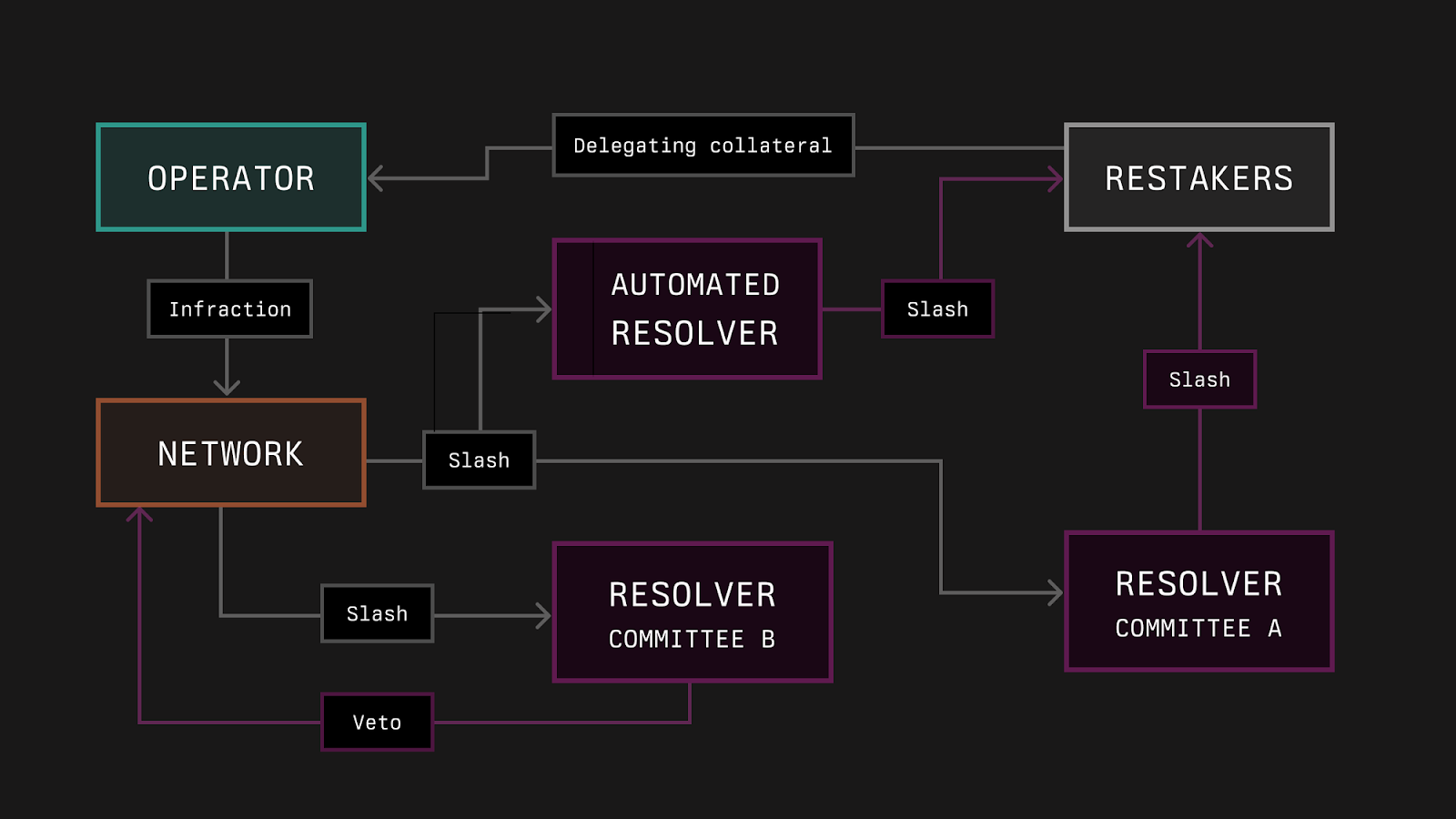
Traders leveraging onchain prime brokerage services confront a landscape reshaped by blockchain transparency. Unlike opaque TradFi prime brokers, who routinely rehypothecate client margins under broad agreements, DeFi protocols embed these rights into smart contracts. Yet, as seen in recent Solana ecosystem tensions, unchecked reuse amplifies contagion risks across interconnected positions.
Rehypothecation Mechanics: Collateral in Perpetual Motion
At its core, rehypothecation occurs when entity B repurposes collateral pledged by entity A. In DeFi, a trader posts ETH as margin for a leveraged BTC position; the lending protocol then deploys that ETH into liquidity pools or further loans. This recirculation multiplies asset velocity, squeezing higher loan-to-value ratios from finite capital. Jump Crypto’s paradigms for on-chain credit highlight proxy wallets retaining control, a nod to prime brokerage models adapted for immutability.
Contrast this with traditional setups, where U. S. securities rules cap rehypothecation at 140% of debit balances, per Databento insights. DeFi sidesteps such fiat-era limits, but jurisdictional shadows loom; the CFTC’s push for registration signals scrutiny on these borderless flows.
Capital Efficiency Unleashed, But at What Cost?
The allure is undeniable: rehypothecation transforms idle collateral into a liquidity engine. Gate. com dubs it a double-edged sword, circulating assets multiple times to inflate trading capacity. Galaxy Research notes prime brokers’ financing prowess, now rivaled by DeFi pools quietly supplanting legacy models, as Medium’s Sameersam observes.
Rehypothecation Toggle Advantages
-
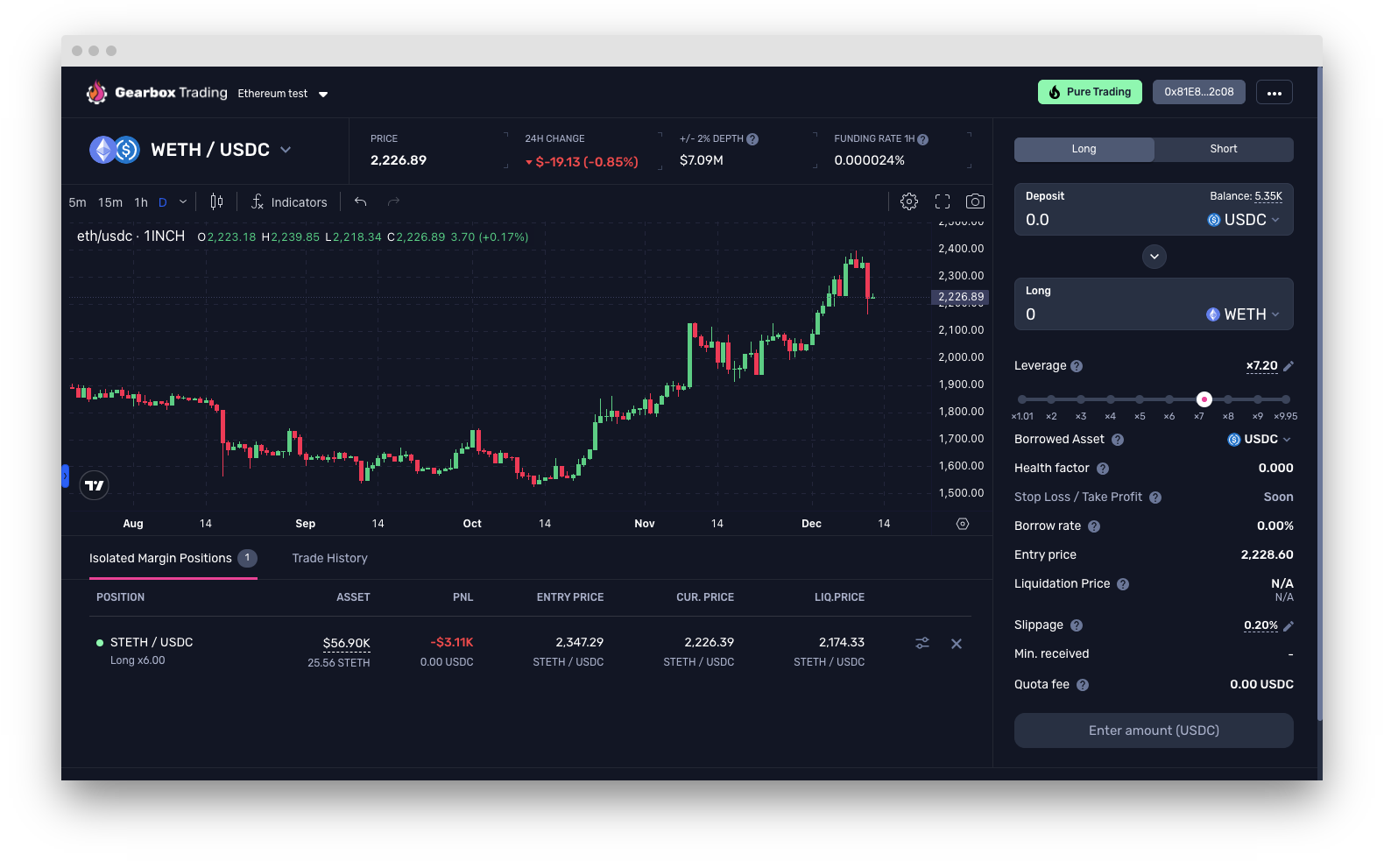
Customizable exposure limits per position: Users set granular toggles on collateral reuse for individual positions, enabling precise risk isolation in DeFi margin trading.
-
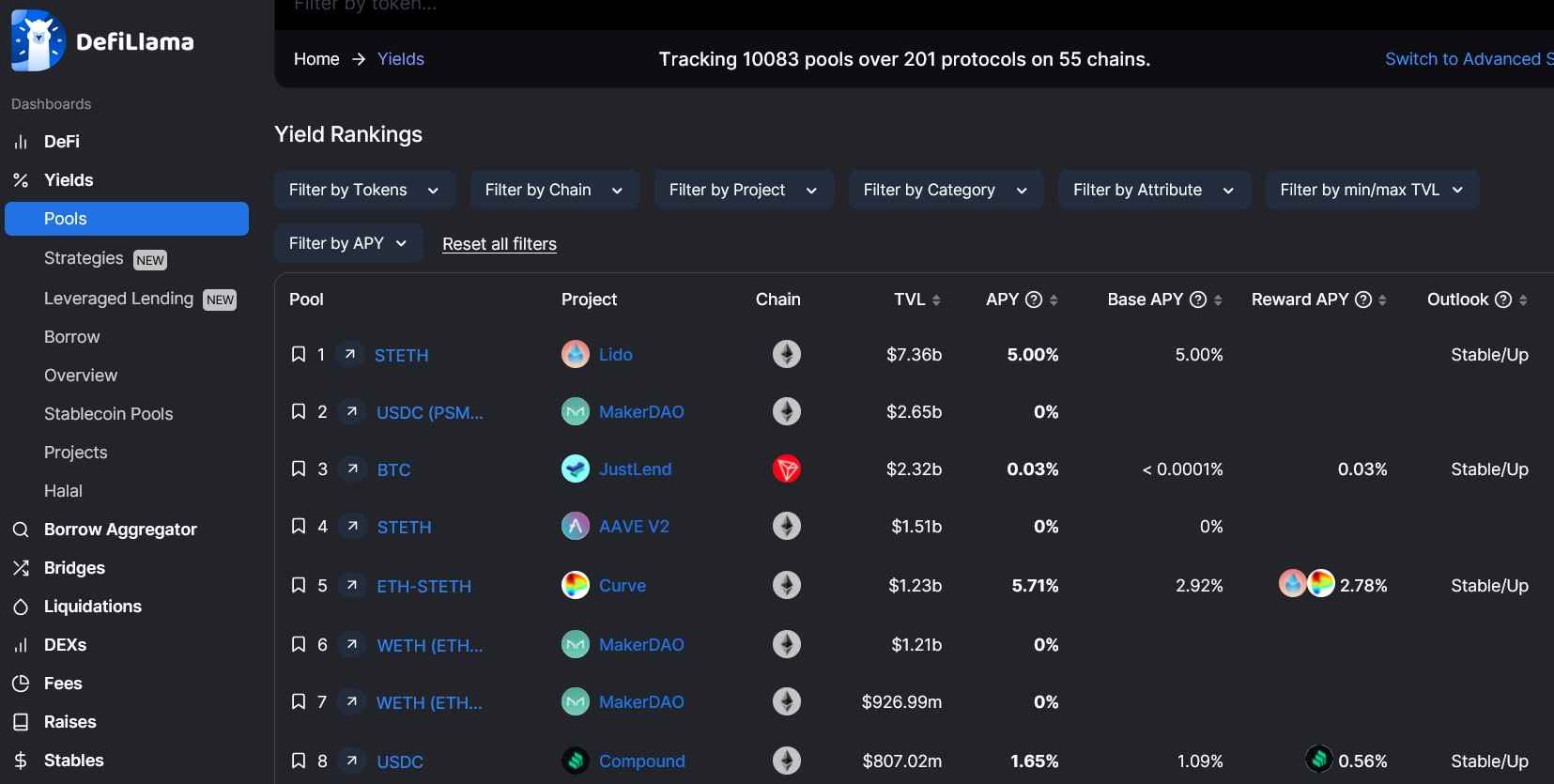
Real-time risk dashboards: Onchain protocols deliver live visibility into rehypothecation flows, aiding proactive risk monitoring without opaque intermediaries.
-

Enhanced LTV without systemic over-leverage: Protocols like Jupiter Lend use isolated vaults for high loan-to-value ratios while curbing contagion risks, as seen in Kamino restrictions.
-
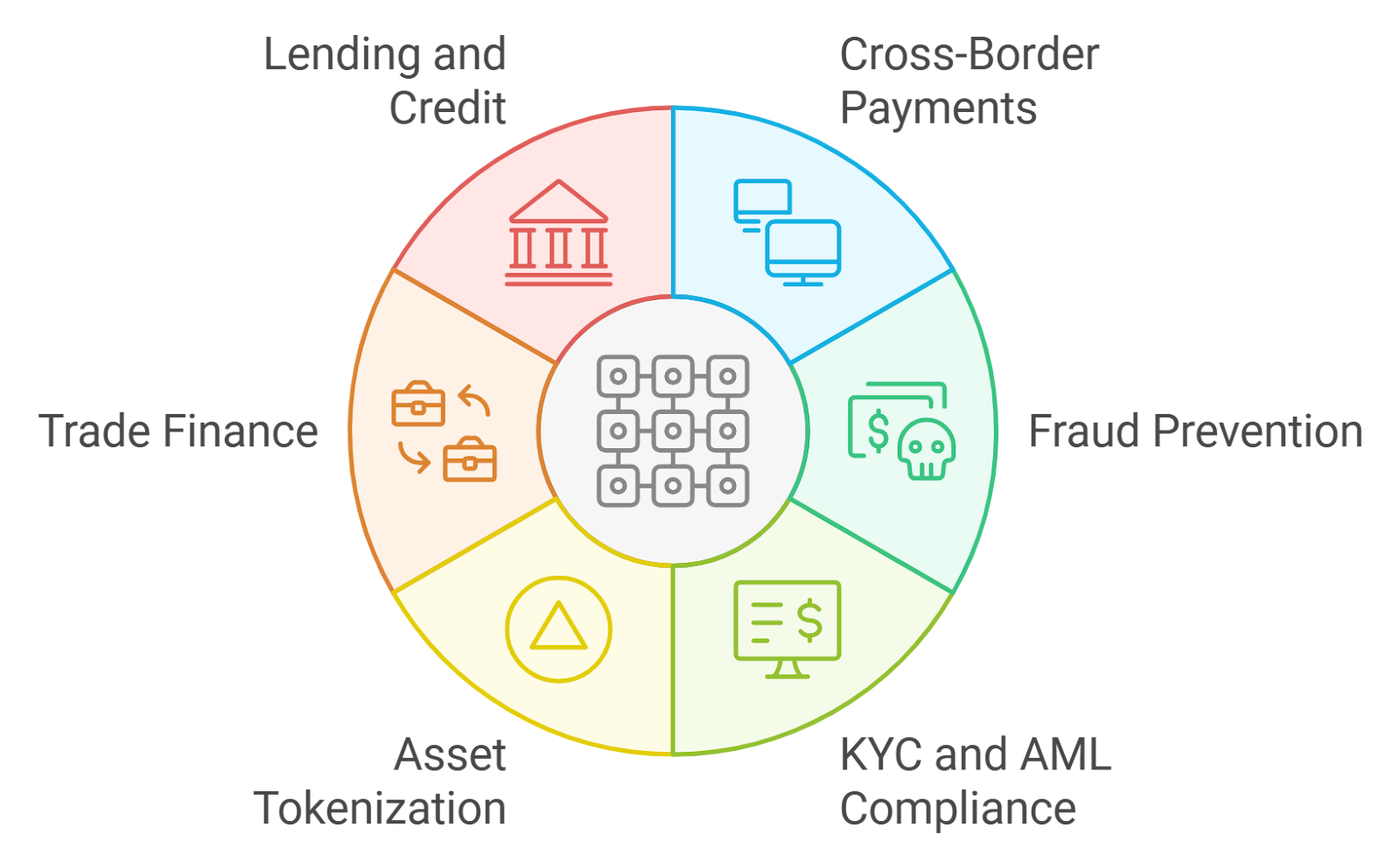
Compliance-ready audit trails: Immutable blockchain logs provide verifiable records of rehypothecation, meeting CFTC transparency demands for DeFi platforms.
-
Yield optimization via selective reuse: Toggles allow targeted collateral recycling to boost capital efficiency and yields, balancing liquidity with controlled systemic risk.
DefiPrimeBroker. com exemplifies this with rehypothecation toggles, allowing users to dial in zero-rehypothecation for conservative vaults or full circulation for aggressive plays. MST Blockchain underscores the liquidity-leverage boost, yet warns of systemic froth when chains overextend.
Exposed Fault Lines: From CEX Meltdowns to DeFi Disputes
History indicts opacity. CEX implosions like FTX exposed rehypothecated margins fueling counterparty black holes, per ChainScore Labs. Onchain, Jupiter Lend’s isolated vaults promised high LTVs via rehypothecation, but Kamino’s swift refinance curbs in late 2025 revealed fragility. Phillip Moran’s LinkedIn dissection nails it: transparency gaps breed distrust.
CoinRabbit’s no-rehypothecation stance rebuilds confidence, yet sacrifices efficiency. Arkis. xyz contrasts TradFi’s permissive reuse with DeFi’s potential for precision. Greeks. live emphasizes client-broker pacts dictating extents, now codified onchain. Fraser. stlouisfed. org’s archival review echoes enduring risks of collateral chains snapping under stress.
Enter DeFi risk management innovations. Protocols now deploy granular controls: vault isolation, dynamic haircuts, and oracle-fed liquidation buffers. DefiPrimeBroker. com’s toolkit shines here, offering margin limits synced to volatility regimes alongside rehypothecation sliders. Traders dissect patterns, much like chartists spotting breakouts before news breaks.
These tools turn abstract risks into actionable sliders, letting chartists like myself calibrate exposure mid-trade. A volatility spike? Crank down rehypothecation depth. Yield chase? Ramp it up selectively. This precision separates survivors from the liquidated in DeFi margin trading.
Toggles in Action: DefiPrimeBroker. com’s Edge
On DefiPrimeBroker. com, rehypothecation toggles integrate seamlessly with margin engines. Users set per-asset limits: zero-reuse for blue-chip collateral like WBTC, full-chain for stablecoin margins. Smart contracts enforce these atomically, audited trails logging every recirculation. No more blind trust in broker discretion; code dictates destiny.
Picture a medium-risk play: long ETH perp at 5x leverage, collateral rehypothecated once into a vetted pool. Real-time dashboards flag chain depth, alerting if downstream borrowers overextend. This mirrors my chart reads-anticipating reversals before they print. Jupiter Lend’s vault model flirted with this, but Kamino’s pullback proved toggles alone won’t suffice without ecosystem buy-in.
Comparison of Rehypothecation Features: Traditional Prime Brokers vs. DeFi Platforms
| Feature | Traditional Prime Brokers | DeFi Platforms (e.g., DefiPrimeBroker.com, Jupiter Lend) |
|---|---|---|
| Control Type | Broad agreements allowing broker reuse | Granular user toggles (zero to full reuse) |
| Rehypothecation Limits | Up to 140% caps per agreement | Customizable limits with isolated vaults |
| Transparency | Opaque off-chain practices | Fully on-chain with real-time audits |
| Risk Management | High counterparty and systemic risks | Precise controls to mitigate contagion |
| Regulatory Oversight | Governed by jurisdictional rules | CFTC scrutiny; no-rehypo options available (e.g., CoinRabbit) |
| Capital Efficiency | Boosted via reuse but with opacity | Enhanced liquidity with user-defined transparency ✅ |
Such controls don’t just mitigate; they optimize. Selective rehypothecation funnels idle capital into yield-bearing paths, boosting APYs without inflating systemic leverage. Galaxy Research charts this shift: DeFi credit eclipsing prime broker financing, powered by transparent reuse. Yet, as CoinRabbit’s purist no-rehyp stance shows, choice reigns supreme.
Navigating Regulations: CFTC Scrutiny Meets Onchain Clarity
The CFTC’s registration mandate casts a long shadow over rehypothecation controls DeFi protocols ignore at peril. Morgan Lewis briefs warn of enforcement for non-compliant platforms, zeroing in on collateral flows. DefiPrimeBroker. com preempts this with compliance modules: KYC-optional tiers, geo-fenced access, and rehypothecation reports exportable for audits. Transparency isn’t optional; it’s encoded.
Systemic safeguards evolve too. Dynamic oracles adjust haircuts on volatility surges, isolating over-rehypothecated vaults. Fraser St. Louis Fed’s review of collateral chains underscores the math: each reuse layer multiplies liquidation cascades. Platforms layering circuit breakers-DefiPrimeBroker. com’s pause-on-depth triggers-quell these ghosts of FTX past.
Traders gain institutional-grade arsenals: position simulators stress-testing rehyp chains, Monte Carlo runs on toggle configs. My 11 years charting crypto affirm this: patterns precede peril. A rehypothecation depth chart diverging from price action? Time to toggle down.
Future-Proofing Onchain Prime Brokerage
Looking ahead, onchain prime brokerage hinges on hybrid models. Blend Jupiter-style vaults with Kamino-grade caution, all toggle-wrapped. Jump Crypto’s proxy paradigms evolve into multi-sig controls, identity-anchored for institutions. DeFi liquidity pools, per Sameersam, supplant brokers by democratizing reuse-minus the black boxes.
DefiPrimeBroker. com leads this charge, fusing charting prowess with risk toggles. Traders optimize medium-risk setups: rehyp for liquidity, cap for safety. Charts whisper warnings; controls amplify the listen. In DeFi’s relentless arena, precision isn’t luxury-it’s ledger law. Deploy these tools, and watch capital compound while cascades crumble elsewhere.