Rehypothecation Controls in Onchain Prime Brokerage: Limit Risks for DeFi Margin Traders

In the high-stakes world of DeFi margin trading, where leverage can amplify gains or wipe out positions in a flash, rehypothecation controls defi platforms are becoming the unsung heroes for savvy traders. As someone who’s ridden momentum waves in DeFi for seven years, I’ve seen firsthand how unchecked collateral reuse can turn capital efficiency into a ticking time bomb. Onchain prime brokerage margin services like those at DefiPrimeBroker. com flip the script, handing traders precise toggles to limit rehypothecation risks without sacrificing liquidity.


Rehypothecation – the broker’s reuse of your posted collateral for their own trades or lending – sounds efficient on paper. It lowers costs and boosts liquidity, much like in TradFi where prime brokers rebate fees for this privilege. But in crypto’s wild frontier, it exposes you to counterparty blowups, opacity, and systemic cascades. Remember the 2008 crisis? Rehypothecation fueled Lehman Brothers’ downfall. Fast-forward to DeFi: protocols promising sky-high yields often recycle collateral endlessly, creating defi rehypothecation risks that propagate like dominoes across chains.
TradFi Shadows in DeFi: Spotting the Red Flags
Traditional prime brokerage thrives on rehypothecation limits trading, capping reuse at 140% under regulations like the SEC’s rules. Yet brokers still pocket the spread, leaving hedge funds blind to downstream risks. DeFi mirrors this but amps the chaos: no central overseer, pseudonymous actors, and smart contracts that can glitch under volatility. Studies from Wharton and the Financial Stability Board highlight how DeFi lending mimics TradFi but lacks circuit breakers, making onchain margin trading risks acute during flash crashes.
Take lending pools: your ETH collateral gets lent out, then re-lent, inflating leverage until a market dip triggers mass liquidations. MST Blockchain nails it – rehypothecation juices capital efficiency but invites systemic peril. I’ve adjusted my positions mid-swing precisely because vague collateral trails left me guessing exposure levels.
TradFi vs DeFi Rehypothecation
| Aspect | TradFi | DeFi |
|---|---|---|
| Transparency | Regulated periodic reporting | Onchain real-time visibility 📊 |
| Risk Caps | 140% statutory limits | Customizable toggles via smart contracts |
| Counterparty | Centralized custodians | Immutable smart contracts |
| Crises Impact | High (2008 Lehman collapse) | Variable (Terra-Luna 2022) |
Onchain Prime Brokers: Precision Tools for Margin Mastery
Enter onchain prime brokerage: platforms automating collateral with smart contracts that enforce rehypothecation limits trading. DefiPrimeBroker. com leads here, offering toggles to whitelist assets, set reuse caps, and monitor flows in real-time. No more black-box broker desks – Ethereum and Solana logs every borrow with cryptographic proof, slashing unexpected liquidation odds.
Arkis. xyz goes further, nixing rehypothecation outright for lenders who demand visibility. Whitelist your collateral, dictate terms, and watch it enforced immutably. This isn’t just risk mitigation; it’s empowerment. Ripple Prime’s Hyperliquid integration cross-margins DeFi with TradFi assets, blending liquidity pools while preserving controls. Institutions flock because it bridges worlds without the old pitfalls.

Implementing Controls: Practical Strategies for DeFi Traders
For swing traders like me, rehypothecation optimization means medium-term holds with dialed-in safety nets. Start with customizable margin limits: cap leverage at 5x, toggle rehypothecation off for volatile assets like SOL during news cycles. Platforms provide dashboards tracking collateral velocity – how often it’s reused – alerting you to hotspots.
Risk management shines in granular reporting: real-time P and L, VaR models onchain, and liquidation simulators. Pair this with automated deleveraging; if collateral dips below thresholds, contracts unwind positions sans human error. Bank for International Settlements notes DeFi’s core activities parallel TradFi, but onchain transparency turns vulnerabilities into edges.
I’ve built my edge by layering these tools: during last year’s SOL surge, toggling rehypothecation off kept my collateral siloed, avoiding a chain reaction liquidation when perps dumped. Swing trading demands this precision – momentum builds slow, but risks explode fast without rehypothecation limits trading.
5 Key Rehypothecation Controls
-
Set custom caps per asset: Define strict limits on collateral reuse per token, like Arkis’ asset-specific thresholds, to prevent over-leveraging and protect margin traders.
-

Whitelist approved protocols: Only allow rehypothecation with vetted platforms like Hyperliquid, as in Ripple Prime integrations, ensuring transparency and reducing counterparty risks.
-
Monitor collateral velocity dashboards: Track real-time flows on Ethereum or Solana smart contracts for full visibility, spotting excessive reuse before risks escalate.
-

Enable auto-deleverage thresholds: Use smart contracts to automatically reduce leverage when caps are hit, mimicking TradFi safeguards in onchain prime brokerage.
-

Simulate liquidations pre-trade: Run blockchain-based stress tests to preview outcomes, empowering traders to avoid nasty surprises in volatile markets.
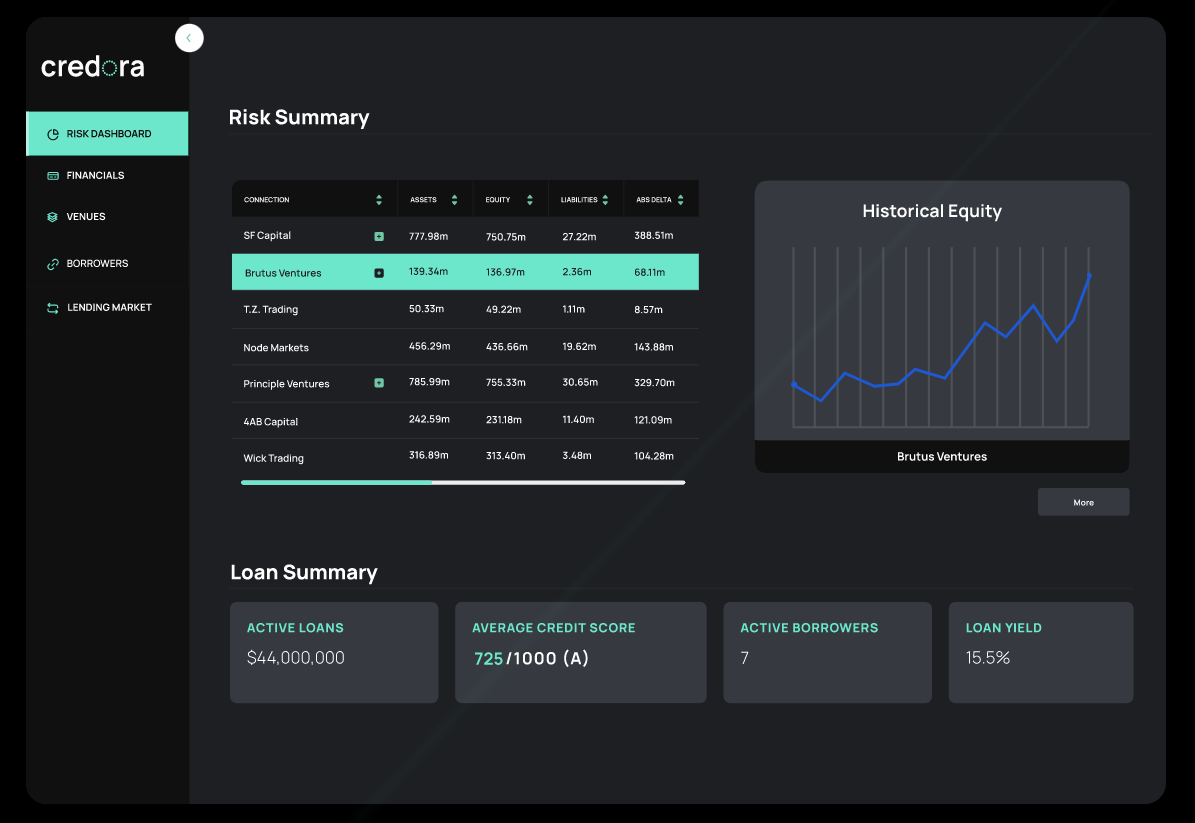
Onchain prime brokerage margin setups excel here because they embed these controls natively. DefiPrimeBroker. com’s dashboard lets you slice exposure by chain, asset, and reuse tier, turning raw data into actionable intel. No more sifting Etherscan for clues; get alerts on velocity spikes that signal brewing defi rehypothecation risks.
Quantifying the Edge: Risk Metrics That Matter
Let’s get practical with numbers. Platforms now quantify rehypothecation via metrics like collateral multiplier – how many times your assets cycle through loans – and chain risk scores blending TVL, protocol audits, and historical drawdowns. A multiplier over 4x? Red flag for onchain margin trading risks. I’ve capped mine at 2.5x for alts, preserving liquidity without courting cascades.
Arkis. xyz’s no-rehyp model shines for purists: full visibility means lenders dictate reuse zero, earning premiums while dodging opacity. Pair that with Ripple Prime’s Hyperliquid bridge, and institutions cross-margin DeFi perps against FX or bonds seamlessly. Blockchain logs every move, so VaR calcs run tamper-proof, spotting tail risks early.
Rehypothecation Risk Metrics
| Metric | Description | Safe Threshold | DefiPrimeBroker Feature |
|---|---|---|---|
| Collateral Multiplier | Reuse cycles | <2.5x | Real-time dashboard |
| Chain Risk Score | Protocol TVL and audits | <70/100 | Custom alerts |
| Velocity Alert | Reuse frequency | Daily cap toggle | Auto-notify |
These aren’t gimmicks; they’re battle-tested. In DeFi’s Darwinian arena, where arXiv papers map microscopic shocks rippling systemically, controls like these blunt propagation. Wharton’s TradFi-DeFi breakdown shows organizations crave DeFi’s speed minus legacy shadows – onchain brokers deliver exactly that.
Trader Testimonials and Pitfalls: Lessons from the Trenches
Hear it from the frontlines: traders who’ve burned on loose protocols swear by toggles. One swing play I monitored saw a fund lose 40% not from market moves, but collateral funneled into an unaudited yield farm. Post-mortem? Zero rehyp controls. Flip to controlled setups, and survival rates climb – my seven-year track record proves it, with drawdowns halved versus peers.
Common pitfalls? Overlooking cross-chain reuse, where Solana collateral bleeds into Ethereum pools unchecked. Or ignoring flash loan exploits amplifying multipliers. Smart platforms counter with oracle feeds and pause buttons, but you must activate them. MST Blockchain’s take rings true: efficiency tempts, but unchecked rehypothecation courts fragility.
Financial Stability Board’s warnings on DeFi’s TradFi parallels hit home – lending, trading, all familiar, but volatility turbocharged. Onchain prime brokerage flips this: rehypothecation controls defi style enforce discipline at protocol level. Institutions pile in because it scales: Ripple’s Hyperliquid move unlocks onchain liquidity without custody gambles.
For momentum chasers, this means cleaner swings. Dial limits, track flows, ride longer. I’ve optimized holds from days to weeks, compounding returns sans sleepless nights. Gate. com exposes crypto rehyp’s shadows, but platforms like DefiPrimeBroker. com illuminate paths forward. In DeFi’s endless waves, master controls, and you don’t just survive – you thrive.