
The institutionalization of on-chain finance
By 2026, decentralized finance has transitioned from a speculative retail playground to a critical layer of institutional infrastructure. The primary driver of this shift is not technological novelty, but regulatory clarity and the resulting demand for compliance-native liquidity. Traditional financial institutions, previously hindered by the opacity of on-chain activity, are now integrating DeFi protocols to access yield and capital efficiency that traditional markets cannot match.
This institutionalization is characterized by the adoption of prime brokerage services that bridge the gap between decentralized smart contracts and centralized regulatory requirements. Platforms are no longer just offering trading; they are providing the audit trails, custody solutions, and legal wrappers necessary for institutional participation. The focus has moved from high-risk, high-reward speculation to stable, regulated yield generation and collateral management.
The convergence of DeFi and CeFi is evident in the rising prominence of platforms that offer institutional-grade liquidity. These platforms leverage the transparency of blockchain technology while embedding the compliance mechanisms required by global financial regulators. This hybrid model allows institutions to participate in the efficiency of decentralized markets without exposing themselves to the operational and legal risks that previously deterred entry.
The market context for this shift is anchored by the performance of major assets like Ethereum, which serves as the primary collateral backbone for institutional DeFi strategies. The volatility and liquidity trends visible in the chart above reflect the maturing market dynamics, where institutional flows are increasingly smoothing out retail-driven spikes and creating more predictable trading environments.
Key players reshaping prime services
The institutional shift toward DeFi prime brokerage is driven by platforms that replace custodial intermediaries with smart contract accounts and on-chain risk engines. For legal and compliance teams, the critical distinction lies in how these platforms handle counterparty risk and auditability. Leading providers are moving beyond simple trading execution to offer infrastructure that integrates directly with institutional portfolio management systems.
August Digital stands out as a dedicated infrastructure provider, raising capital specifically to build "on-chain prime brokerage" tools. Their platform offers sophisticated pricing and risk engines that allow institutions to manage exposure across multiple DeFi protocols without handing over private keys to a centralized custodian. This model reduces counterparty risk but introduces new smart contract liabilities that require rigorous auditing. Similarly, platforms like Aave Labs are expanding their prime services through partnerships with traditional finance entities, such as Circle and Ripple, to facilitate large-scale liquidity provision, with Horizon deposits reaching significant milestones in late 2025.
The following comparison highlights the structural differences between these emerging prime service models.
These platforms are not merely trading venues; they are becoming the backbone for institutional DeFi exposure. As regulatory frameworks evolve in 2026, the ability to provide transparent, code-enforced risk limits will likely become the primary competitive advantage.
Regulatory compliance and risk management
Institutional adoption of DeFi prime brokerage hinges on the migration of traditional compliance infrastructure onto the blockchain. For legal and regulatory audiences, the primary concern is not merely yield, but the enforceability of identity verification and transaction monitoring. Platforms must integrate real-time KYC/AML checks that interface directly with smart contract permissions, ensuring that only verified entities can interact with specific liquidity pools or leverage mechanisms.
Rehypothecation controls represent the most significant structural shift. Traditional prime brokers often repledge client collateral to generate additional yield or facilitate lending, creating complex chains of counterparty risk. In DeFi, this process must be transparent and opt-in. Protocols like Aave Labs, which reported $550 million in Horizon deposits in December 2025 with a $1 billion target for 2026, are beginning to address these needs by partnering with regulated stablecoin issuers like Circle and Ripple to embed compliance at the asset level. This ensures that the underlying collateral meets institutional standards before it enters the lending market.
Audit trails and smart contract integrity are non-negotiable for high-stakes institutional capital. The recent volatility in the sector, where crypto-collateralized lending fell by $7.6 billion in Q1 2026 due to nine-figure exploits, underscores the danger of unverified code. Institutions require immutable, real-time audit logs that allow for immediate forensic analysis in the event of a breach. This transparency replaces the opaque risk models of traditional prime brokerage, offering regulators a clear view of exposure and leverage ratios.
The convergence of these technologies creates a compliance framework that is both rigorous and efficient. By embedding legal requirements into the code, DeFi prime brokers can offer the speed of decentralized finance with the accountability expected by traditional financial regulators.
Liquidity convergence and cross-chain access
Institutional prime brokerage is undergoing a structural shift from siloed execution to aggregated liquidity pools. The primary value proposition for 2026 is not merely access to decentralized finance (DeFi) protocols, but the seamless integration of CeFi order books with DeFi liquidity sources. This convergence allows institutional clients to execute large block trades without suffering significant slippage, a traditional pain point in both fragmented crypto markets and traditional equity markets.
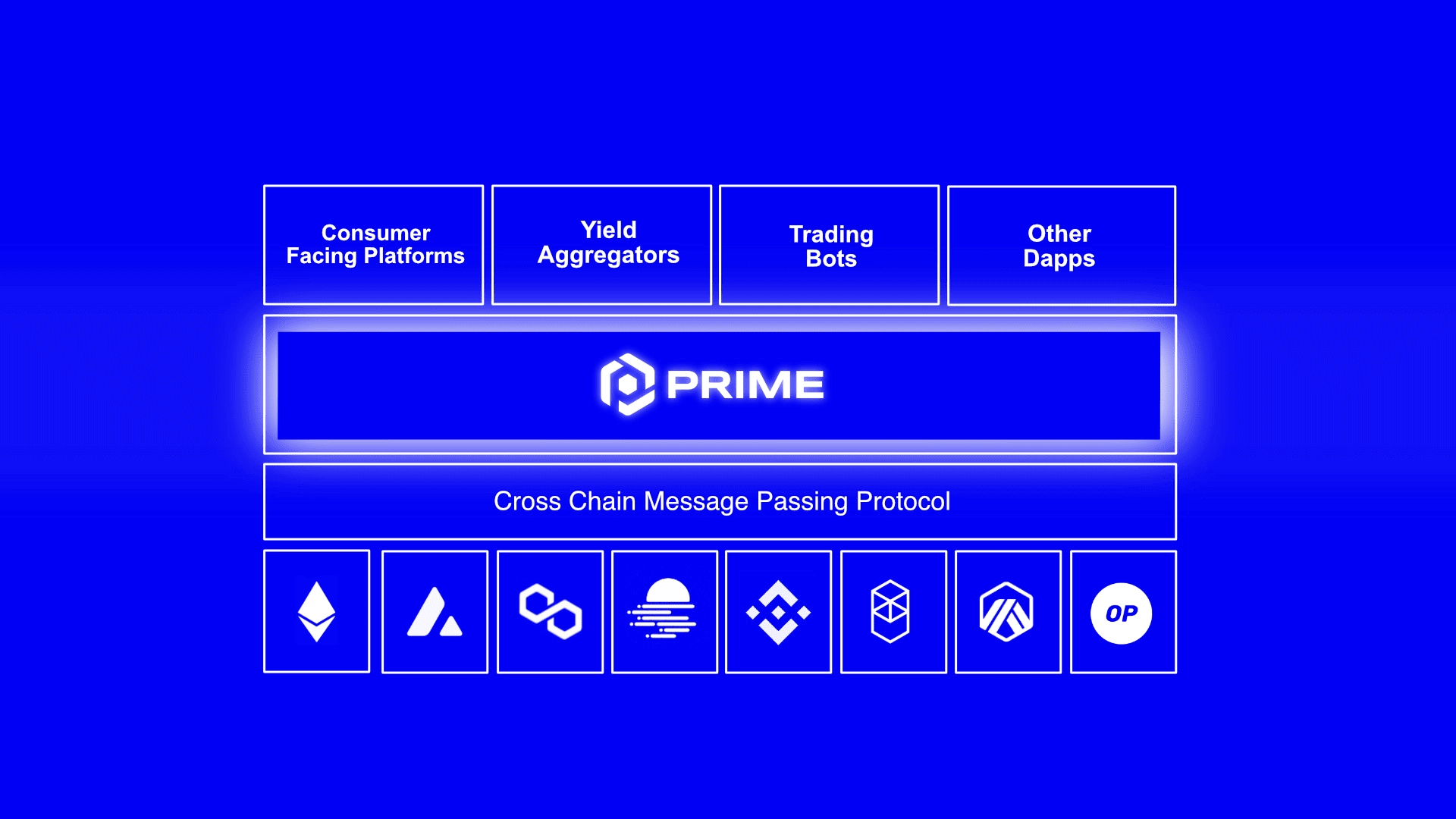
Prime brokers are acting as the intermediary layer that abstracts away the complexity of cross-chain interactions. By routing orders through smart aggregators, these platforms can pull liquidity from Ethereum, Solana, and other layer-1 networks simultaneously. This approach mirrors the logic of traditional prime brokers who aggregate liquidity across multiple exchanges to find the best price for a client. The result is deeper, more efficient markets that can absorb institutional-sized volumes while maintaining tight spreads.
Compliance remains the critical filter in this convergence. While DeFi protocols offer superior capital efficiency, they often lack the identity verification and transaction monitoring required by institutional risk frameworks. Modern prime brokerage solutions integrate automated compliance checks at the protocol level, ensuring that all liquidity sources meet regulatory standards before an order is executed. This integration is essential for traditional finance players who cannot expose themselves to unvetted or illicit liquidity pools.
The technical infrastructure supporting this convergence relies on real-time data feeds and sophisticated routing algorithms. These systems must continuously monitor on-chain liquidity depth and CeFi order book states to determine the optimal execution path. As the market matures, the distinction between CeFi and DeFi execution layers will likely blur further, creating a unified liquidity landscape where institutional clients can access the best available prices across all digital asset markets.
No comments yet. Be the first to share your thoughts!