
Defi prime brokerage 2026
DeFi prime brokerage in 2026 is no longer a theoretical concept but a functioning layer for institutional capital. It aggregates liquidity across lending protocols like Aave and Morpho, and DEXs like Uniswap, to provide the depth and speed traditional finance expects. The market is consolidating around platforms that can handle complex cross-protocol strategies without sacrificing transparency.
The infrastructure has shifted from simple yield farming to sophisticated risk management. Firms like August are raising capital specifically to bridge these DeFi networks, offering clients access to derivative trading and optimized lending rates. This isn't just about access; it's about execution quality in a fragmented market.
| Feature | Traditional Prime Brokerage | DeFi Prime Brokerage (2026) |
|---|---|---|
| Settlement | T+1 or T+2 | Real-time (on-chain) |
| Collateral | Fiat/Securities | Multi-asset Crypto |
| Transparency | Opaque ledger | On-chain audit trail |
| Access | Relationship-based | Permissionless/Whitelisted |
The tradeoff is clear. You gain real-time settlement and composability, but you must manage smart contract risk and wallet security. The decision to adopt DeFi prime services hinges on whether your strategy benefits more from speed and yield than from the regulatory protections of TradFi.
DeFi Prime Brokerage 2026: Tradeoffs and Selection Criteria
Choosing a DeFi prime brokerage in 2026 requires balancing speed, cost, and regulatory exposure. Unlike traditional prime brokers, these platforms aggregate liquidity from decentralized networks like Aave, Morpho, and Uniswap, offering real-time execution. The tradeoff lies in complexity: while you gain access to deeper liquidity pools, you must manage smart contract risk and interface fragmentation.
Key Evaluation Factors
When comparing providers, focus on three concrete metrics: latency, fee structure, and custody model. Latency determines slippage on large orders. Fee structures vary between flat monthly subscriptions and per-trade percentages. Custody models range from non-custodial self-custody to hybrid solutions where keys are sharded. Providers like August have raised significant capital to connect clients with these lending and trading networks, signaling a shift toward institutional-grade infrastructure.
Comparison of Prime Brokerage Models
The following table compares the primary operational models available in the current market. Each model serves different risk appetites and trading volumes.
| Model | Custody | Best For | Risk Level |
|---|---|---|---|
| Non-Custodial Aggregator | Self-Custody | High-frequency traders | Medium |
| Hybrid Prime Broker | Sharded Keys | Institutional funds | Low |
| Centralized Bridge | Third-Party | Retail investors | High |
Market Context
The broader market sentiment influences prime brokerage selection. Prediction markets like Polymarket currently assign a 17% chance to Bitcoin reclaiming $100,000 in 2026, while a 35% chance exists for it falling below $40,000. This volatility underscores the need for robust liquidity aggregation. A live view of market conditions helps inform execution strategy.
Decision Framework
Select a non-custodial aggregator if you prioritize speed and control over your keys. Choose a hybrid model if you require institutional compliance and reduced operational burden. Avoid centralized bridges unless you are comfortable with third-party counterparty risk. Always verify that your provider integrates with major lending protocols like Aave or Morpho to ensure depth.
How to Choose the Right AI-Driven Prime Broker
Selecting a prime brokerage service in 2026 requires moving beyond basic execution speed. With AI-driven liquidity aggregation becoming standard, the differentiator is how providers manage cross-protocol risk and capital efficiency. Whether you are routing complex derivatives through Aave and Morpho or seeking tokenized equity access, the decision framework below helps align your strategy with the right infrastructure.

Real-time aggregation must go beyond simple best-execution. Look for providers that dynamically route orders across DeFi lending protocols and DEXs to minimize slippage. Verify if the system can handle simultaneous cross-chain settlements without exposing your position to interim price volatility.

Institutional-grade custody is non-negotiable. Ensure the provider offers real-time collateral monitoring and automated liquidation protections. The best systems use AI to predict margin calls before they happen, allowing you to rebalance positions without forced exits during market spikes.

Avoid opaque pricing models. Leading platforms now offer transparent, tiered fee structures based on volume and asset class. Compare management fees against execution costs; sometimes a higher management fee is justified by significantly lower slippage and better aggregate returns on complex strategies.
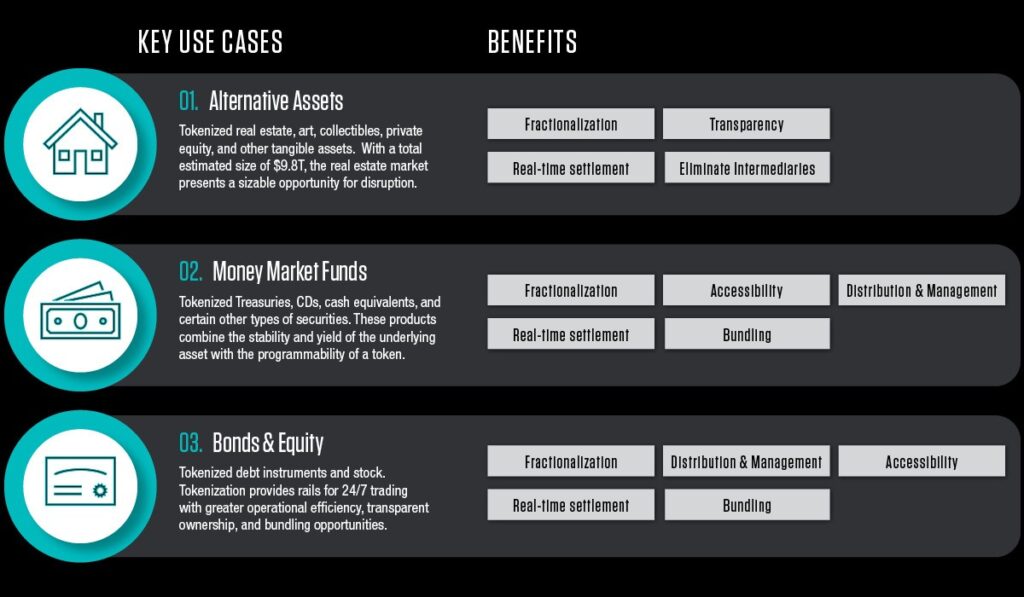
As DeFi merges with TradFi, regulatory adherence becomes a primary filter. Choose providers that are registered or compliant in key jurisdictions, ensuring your assets are protected under evolving crypto laws. This is critical for accessing institutional-grade derivatives and tokenized real-world assets.
| Feature | Traditional Prime | AI-Driven DeFi Prime |
|---|---|---|
| Liquidity Source | Internal balance sheets | Aggregated across 50+ protocols |
| Settlement Time | T+1 or T+2 | Real-time (seconds) |
| Risk Monitoring | End-of-day reports | AI-predictive, real-time alerts |
| Asset Types | Equities, Bonds, FX | Crypto, DeFi tokens, RWAs |
The choice ultimately depends on your asset class and risk tolerance. Traditional prime brokers offer familiarity but lack the speed of DeFi. AI-driven prime brokers provide superior efficiency and access to novel yield opportunities, but require a higher technical literacy. For most sophisticated 2026 portfolios, a hybrid approach utilizing AI-driven infrastructure for alpha generation and traditional custody for long-term holds offers the optimal balance.
Spotting Weak Options in AI-Driven Prime Brokerage
As AI-driven liquidity aggregation matures in 2026, the prime brokerage sector is seeing a surge in providers promising real-time execution and institutional-grade custody. However, many platforms mask significant tradeoffs behind marketing language. Identifying misleading claims or weak options is critical for institutions navigating this high-stakes landscape.
The Liquidity Illusion
Several platforms claim "real-time" aggregation across DeFi networks like Aave and Uniswap, but fail to disclose latency during high-volatility events. For instance, August’s recent funding round highlights the push to connect clients with these lending networks, yet the actual execution speed often degrades when liquidity pools thin out. This isn't just a technical glitch; it's a structural weakness in how these aggregators route orders. Traders must verify if the "real-time" claim holds up during market stress, not just in calm conditions.
Hidden Costs and Slippage
A common mistake is focusing solely on the advertised fee structure while ignoring slippage. AI-driven platforms may offer lower management fees but execute trades at prices that erode profits through poor routing. Always compare the total cost of ownership, including the implicit costs of price impact. Weak options often hide these costs in complex fee tiers or by prioritizing volume over execution quality.
Custody and Counterparty Risk
The shift toward institutional prime brokerage brings new custody models. Some platforms claim non-custodial solutions but retain control over private keys in practice. This creates a counterparty risk that undermines the decentralized nature of DeFi. Verify the custody architecture: is it truly multi-sig, or is it a black box? The Polymarket data showing only a 17% chance of Bitcoin reclaiming $100,000 in 2026 underscores the volatility that makes robust custody essential. Weak options often lack transparent audit trails for these custody arrangements.
Making the Choice
When evaluating prime brokerage services, prioritize transparency in execution quality and custody. Look for platforms that publish real-time performance metrics under stress, not just average conditions. Avoid those that rely on vague AI promises without clear technical specifications. The market is rewarding providers who offer genuine institutional-grade reliability, not just marketing buzzwords.
No comments yet. Be the first to share your thoughts!