
The 2026 prime brokerage shift
DeFi prime brokerage has moved from experimental pilot to institutional necessity. In 2026, the model is driven by AI liquidity aggregation and regulatory clarity, replacing fragmented, manual execution with automated, compliant workflows. This shift is no longer theoretical; it is the operational backbone for institutions entering digital asset markets.
The transformation is anchored by three primary developments: FalconX’s expansion of institutional-grade custody and trading rails, Ripple’s integration of regulated clearing for derivatives, and Project 0’s work on standardized on-chain settlement. These players are not building features; they are building the infrastructure that allows banks and asset managers to treat digital assets with the same reliability as traditional equities.
For institutions, the value proposition is clear. AI-driven aggregation ensures the best execution across fragmented liquidity pools, while regulatory frameworks provide the audit trails and compliance checks required by internal risk committees. The result is a seamless bridge between traditional finance (TradFi) protocols and decentralized finance (DeFi) efficiency.
This structural shift reduces counterparty risk and operational friction. Institutions are no longer asking if they should enter DeFi; they are deciding how to integrate prime brokerage services that offer the security of traditional banking with the speed of blockchain technology. The era of manual, opaque DeFi interactions is ending, replaced by a transparent, algorithmic, and compliant ecosystem.
Aggregating Liquidity Across Chains
DeFi’s structural fragmentation remains the primary friction point for institutional capital deployment. Liquidity is scattered across disparate Layer 1 networks, Layer 2 rollups, and isolated bridges. For a prime broker managing multi-billion-dollar portfolios, manual bridging or static routing is insufficient. Institutions require a unified liquidity layer that abstracts this complexity, delivering capital access without exposing the operator to bridge-specific smart contract risks or cross-chain settlement delays.
AI-driven liquidity aggregation addresses this by treating liquidity as a dynamic, real-time resource rather than a static pool. These systems continuously scan dozens of venues—centralized exchanges, decentralized protocols, and over-the-counter desks—to identify the deepest, most cost-effective execution paths. The algorithm does not merely route; it anticipates slippage and fragmentation costs, restructuring orders to minimize market impact across chains. This capability transforms cross-chain access from a logistical burden into a seamless operational function.
Leading platforms are already deploying this infrastructure. Project 0, a crypto-native prime broker, has integrated AI-driven aggregation to allow institutional clients to borrow against DeFi portfolios for real-world payments. By aggregating liquidity across chains, Project 0 enables users to access capital without liquidating underlying assets, solving the cash-flow friction that previously limited DeFi utility for institutional treasuries [src-serp-8].
Similarly, MacBrennan Peet, Founder of Project 0, emphasizes that tackling capital and risk fragmentation is not just a technical challenge but a prerequisite for institutional adoption. "The platform is tackling capital and risk fragmentation" by providing a single point of access to fragmented liquidity, ensuring that institutions can deploy capital across the entire DeFi ecosystem without managing dozens of individual bridge connections or protocol integrations [src-serp-4].

The result is a unified liquidity surface. Institutions no longer need to maintain separate treasury operations for each chain. AI aggregation consolidates these silos, providing a single, compliant interface for borrowing, lending, and trading across the entire DeFi landscape. This standardizes the onboarding process, allowing prime brokers to scale operations without proportionally increasing operational risk.
How institutional margin financing works
Institutional margin financing in DeFi has shifted from speculative retail lending to a structured prime brokerage service. The model allows qualified investors to borrow capital against their crypto collateral, enabling leveraged trading positions without liquidating existing holdings. For institutions, this access to leverage is critical for capital efficiency, but it introduces counterparty and smart contract risks that traditional finance mitigates through clearinghouses and regulated entities.
The infrastructure relies on over-collateralization and automated liquidation protocols. Unlike traditional prime brokers, DeFi-native platforms operate on-chain, offering transparency but requiring rigorous due diligence on protocol security and oracle reliability. Leading firms like FalconX and Hyperliquid have formalized these mechanics to meet institutional compliance standards, creating a bridge between legacy finance and decentralized derivatives markets.
FalconX and Hyperliquid integration
FalconX recently launched its Prime Brokerage Financing solution specifically for trading on Hyperliquid, a leading decentralized derivatives venue. This partnership allows institutional clients to access up to 5x leverage on Hyperliquid’s platform. By integrating margin financing directly into its prime brokerage services, FalconX enables clients to deploy capital more effectively across DeFi derivatives while maintaining the custody and compliance controls they require. This move signals a maturation of DeFi infrastructure, where major institutional players are actively building the rails for leveraged trading.
Ripple Prime and the institutional standard
Ripple’s acquisition of Hidden Road created Ripple Prime, the first global, multi-asset prime brokerage owned by a crypto company. Ripple Prime offers a comprehensive suite of services, including lending, borrowing, and prime brokerage, tailored for institutions. By leveraging Hidden Road’s existing infrastructure and Ripple’s network, the platform provides a regulated, secure environment for margin financing. This approach contrasts with purely decentralized models, offering institutions a familiar, compliance-first interface for accessing DeFi liquidity.
| Feature | Traditional Prime Brokerage | DeFi-Native Margin Financing |
|---|---|---|
| Leverage Source | Bank credit lines, securities lending | On-chain liquidity pools, protocol reserves |
| Collateral Type | Equities, bonds, cash | Crypto assets (BTC, ETH, stablecoins) |
| Settlement | T+2 (typically) | Near-instant (on-chain) |
| Transparency | Limited to client reports | Public ledger, real-time oracle data |
| Counterparty Risk | Regulated entities, clearinghouses | Smart contract risk, protocol insolvency |
Risk management and compliance
Institutional adoption of DeFi margin financing hinges on robust risk management. Protocols must implement real-time monitoring of collateral values, automated liquidation triggers, and circuit breakers to prevent cascading failures. Compliance is equally critical; platforms like FalconX and Ripple Prime enforce KYC/AML checks and restrict access to qualified institutional investors. This regulatory alignment ensures that margin financing in DeFi operates within the legal frameworks expected by traditional finance, reducing the risk of regulatory crackdowns and enhancing overall market stability.
The evolution of DeFi prime brokerage is not just about offering leverage; it is about creating a secure, compliant, and efficient ecosystem for institutional capital. As platforms continue to refine their risk models and integrate with traditional financial infrastructure, DeFi margin financing will become an integral part of institutional portfolio strategies.
Risk Management and Rehypothecation
Institutional onboarding into DeFi prime brokerage demands rigorous risk controls that mirror traditional finance while addressing the unique volatility of on-chain assets. The core challenge lies in managing counterparty risk and ensuring that collateral is handled with institutional-grade transparency. Without robust frameworks, the high-yield nature of decentralized finance becomes a liability rather than an asset.
Rehypothecation Controls
Rehypothecation—the practice of reusing client collateral to finance other activities—is a primary concern for institutional investors. Unlike traditional prime brokers, DeFi platforms often operate with less transparent capital stacks. Institutions require explicit, smart-contract-enforced limits on how much collateral can be repledged. This ensures that even in a stress scenario, sufficient assets remain available to cover client withdrawals.
Leading platforms now offer granular controls, allowing institutions to set maximum rehypothecation ratios or opt out entirely. This level of control is non-negotiable for balance sheet integrity. It transforms a potential liquidity trap into a managed, predictable risk parameter.
Real-Time Risk Monitoring
Static risk reports are insufficient for DeFi markets, where asset values can shift significantly within minutes. Real-time monitoring tools provide continuous visibility into exposure, liquidity, and concentration risk. These dashboards integrate on-chain data with off-chain market feeds to give a comprehensive view of portfolio health.
Effective monitoring systems alert risk managers to anomalies before they become losses. This proactive approach allows institutions to rebalance or hedge positions dynamically. The goal is to maintain compliance and solvency without sacrificing the agility that DeFi offers.
Onboarding Steps for Institutions
Integrating DeFi prime brokerage services requires a structured approach to security, compliance, and technical infrastructure. Institutions must navigate regulatory frameworks while establishing robust operational controls. This guide outlines the essential steps for onboarding, drawing on protocols established by leading providers like FalconX and Project 0.

Begin with rigorous identity verification. Unlike retail platforms, institutional onboarding demands enhanced due diligence (EDD). Providers verify corporate structures, beneficial ownership, and regulatory standing. This process ensures compliance with global anti-money laundering standards and mitigates counterparty risk. Expect a timeline of several days to weeks, depending on entity complexity.
Institutions must define custody strategies for digital assets. Prime brokers typically offer integrated custody or interface with approved third-party custodians. Secure key management is non-negotiable. Institutions should evaluate multi-signature requirements and hardware security module (HSM) integration. This step ensures asset protection while maintaining operational flexibility for trading and lending activities.

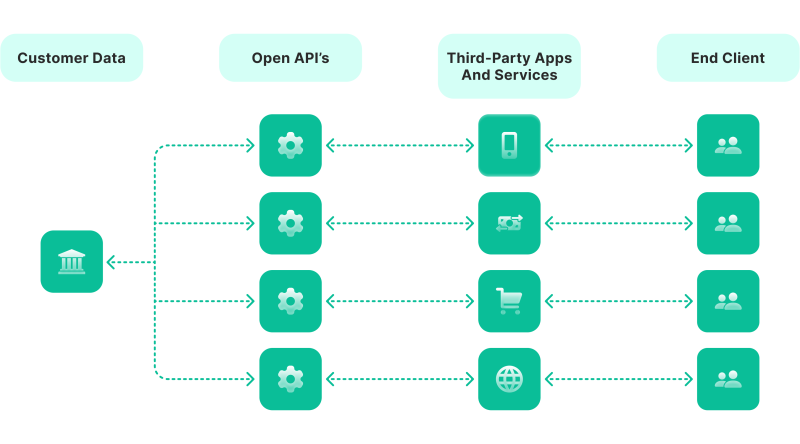
Develop secure API connections for automated trading and reporting. Prime brokers provide API keys with strict permission scopes. Institutions must implement IP whitelisting and encryption standards. Testing in a sandbox environment is critical before going live. This infrastructure enables real-time access to liquidity, margin financing, and portfolio management tools.

Set clear risk limits for leverage, exposure, and counterparty concentration. Prime brokers offer margin financing, such as FalconX’s 5x leverage on Hyperliquid, but institutions must define internal risk thresholds. Configure automated alerts for margin calls and collateral thresholds. This step ensures that trading activities align with the institution’s broader risk appetite and regulatory obligations.

Initiate small-scale trades to validate integrations and workflows. Monitor settlement times, fee structures, and reporting accuracy. Use this phase to identify any technical or operational bottlenecks. Once confirmed, scale trading volume gradually. Continuous monitoring ensures that the prime brokerage relationship operates efficiently and complies with internal audit requirements.
Helpful gear
Use these product recommendations as a starting point, then choose the size, material, and price point that fit how you actually use the gear.



As an Amazon Associate, we may earn from qualifying purchases.
No comments yet. Be the first to share your thoughts!