
What DeFi Prime Brokerage Means in 2026
DeFi prime brokerage has shifted from experimental infrastructure to a core operational layer for institutional crypto traders. In 2026, the primary value proposition is no longer just access to liquidity, but the elimination of traditional counterparty risk and rehypothecation through transparent, on-chain settlement. This structural change allows institutions to manage complex, multi-asset portfolios without surrendering custody to centralized intermediaries.
The regulatory clarity emerging in major jurisdictions has accelerated adoption, turning DeFi prime services into a compliance-friendly alternative to traditional prime brokers. Firms are now leveraging smart contract-based margining and automated liquidation protocols to maintain capital efficiency while adhering to strict reporting standards. This blend of on-chain transparency and institutional-grade risk management defines the current landscape.
For traders, the transition means navigating a fragmented ecosystem of cross-chain liquidity providers and standardized reporting APIs. The focus has moved from speculative yield farming to robust portfolio management, where the reliability of oracle feeds and the security of smart contracts are paramount. As the market matures, the winners will be those who can offer seamless cross-chain execution without compromising on regulatory compliance.
Defi prime brokerage 2026 choices that change the plan
Use this section to make the The Rise of Institutional DeFi Prime Brokerage decision easier to compare in real life, not just on paper. Start with the reader's actual constraint, then separate must-have requirements from details that are merely nice to have. A practical choice should survive normal use, maintenance, timing, and budget. If a recommendation only works in an ideal situation, call that out plainly and give the reader a fallback path.
| Factor | What to check | Why it matters |
|---|---|---|
| Fit | Match the option to the primary use case. | A good deal still fails if it does not fit the job. |
| Condition | Verify age, wear, and service history. | Hidden condition issues erase upfront savings. |
| Cost | Compare purchase price with likely upkeep. | The cheapest option is not always the lowest-cost option. |
Choose the next step
The Rise of Institutional DeFi Prime Brokerage works best as a clear sequence: define the constraint, compare the realistic options, test the tradeoff, and choose the path with the fewest hidden costs. That order keeps the advice usable instead of decorative. After each step, pause long enough to check whether the recommendation still fits the reader's actual situation. If it depends on perfect timing, unusual access, or a best-case budget, include a simpler fallback.
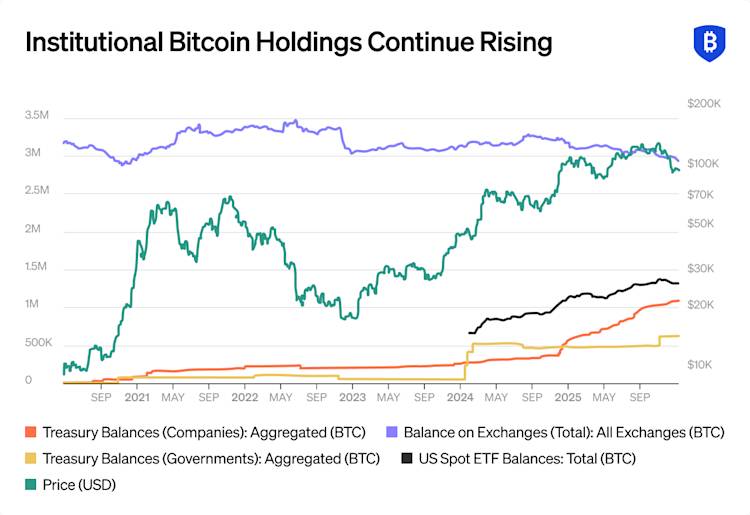

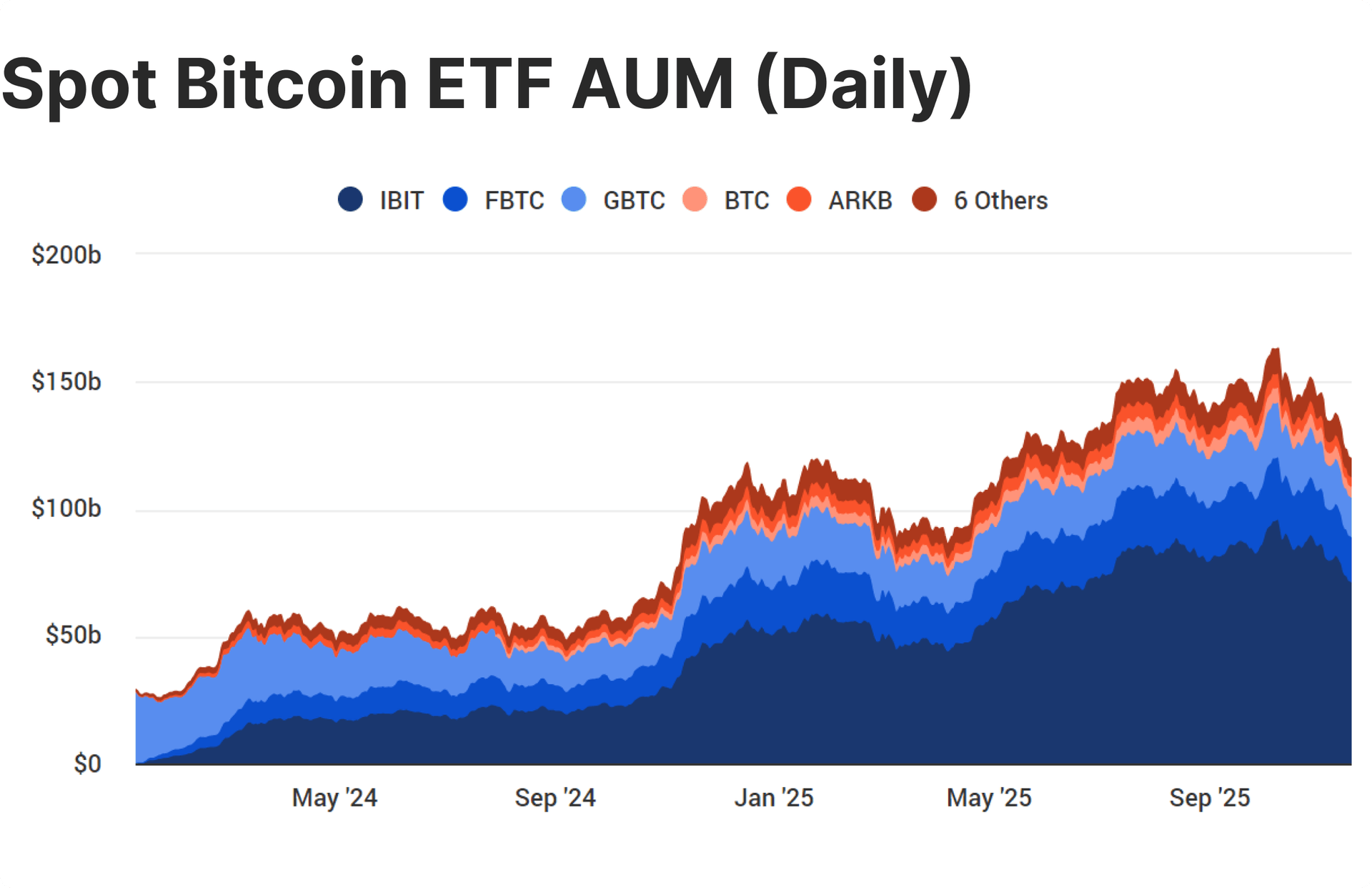
Spotting Weak Options in DeFi Prime Brokerage
As institutional DeFi prime brokerage matures in 2026, the market is flooded with platforms promising the world but delivering fragile infrastructure. Institutions must look past marketing hype to identify which services actually meet compliance and liquidity standards. The most common mistake is assuming all "prime" services offer the same level of counterparty protection and cross-chain efficiency. Many platforms still rely on legacy custodial models that reintroduce the very risks DeFi was designed to eliminate.
A major red flag is the presence of rehypothecation without transparent risk disclosures. Traditional finance often reuses client assets to leverage positions, but true DeFi prime solutions aim to eliminate this counterparty risk entirely by using smart contract-based isolation. If a platform does not clearly explain how collateral is segregated and how liquidation risks are managed, it is likely a weak option. Always verify that the platform uses official, audited smart contracts rather than proprietary, opaque codebases.
Cross-chain liquidity is another area rife with misleading claims. Some platforms claim seamless cross-chain swaps but rely on centralized bridges that are vulnerable to hacks. Look for services that use decentralized liquidity aggregators or verified bridge protocols. The institutional grade of a prime brokerage is defined by its ability to move assets securely across chains without exposing the client to bridge failure risks. If the platform cannot provide a clear audit trail for cross-chain transactions, it is not ready for institutional capital.
Finally, regulatory clarity is not just a checkbox; it is a structural advantage. Platforms that operate in jurisdictions with clear regulatory frameworks are better positioned to offer stable, compliant services. Avoid platforms that are headquartered in regulatory gray zones or that refuse to provide KYC/AML documentation. The institutions that thrive in 2026 will be those that partner with prime brokers who offer not just liquidity, but also legal certainty and robust risk management frameworks.
Defi prime brokerage 2026: common: what to check next
Navigating the convergence of traditional finance and on-chain protocols requires understanding both the structural shifts and the specific risks involved. Here are answers to the most frequent questions about institutional DeFi prime brokerage in 2026.
What are the trends in DeFi for 2026?
The dominant trend is the institutionalization of crypto prime brokerage, driven by regulatory clarity and the need for cross-chain liquidity. Platforms like Ripple Prime and August Prime Brokerage are offering sophisticated risk engines and secure smart contract accounts that bridge CeFi and DeFi. This shift moves DeFi from speculative trading to a core infrastructure for institutional capital deployment, eliminating counterparty risk and rehypothecation through on-chain transparency.
What are the risks of using prime brokerage?
While prime brokerage reduces traditional counterparty risk, it introduces smart contract and operational risks. On-chain protocols are vulnerable to exploits, and complex cross-chain bridges can create liquidity fragmentation. Additionally, regulatory uncertainty remains a key risk; while clarity is improving, sudden policy shifts in major jurisdictions could impact liquidity access. Institutions must conduct rigorous due diligence on the underlying smart contracts and the legal structure of the prime broker.
Is DeFi the next big thing?
DeFi is evolving into a foundational layer for institutional finance rather than a replacement for traditional banking. With significant capital flowing into Ethereum-based protocols, DeFi is reshaping how assets are managed and traded. However, it is not a monolithic "next big thing" but a specialized infrastructure for sophisticated investors. The growth is driven by efficiency, transparency, and the ability to access 24/7 global liquidity, making it essential for modern portfolio management.
Which crypto will boom in 2026?
While specific price predictions are unreliable, assets with strong institutional utility are poised for growth. Bitcoin and Ethereum remain the primary collateral assets for prime brokerage services. Additionally, tokens associated with leading DeFi protocols and cross-chain infrastructure are likely to see increased demand as institutional adoption accelerates. Investors should focus on projects with clear regulatory compliance and robust security audits rather than speculative narratives.
No comments yet. Be the first to share your thoughts!