
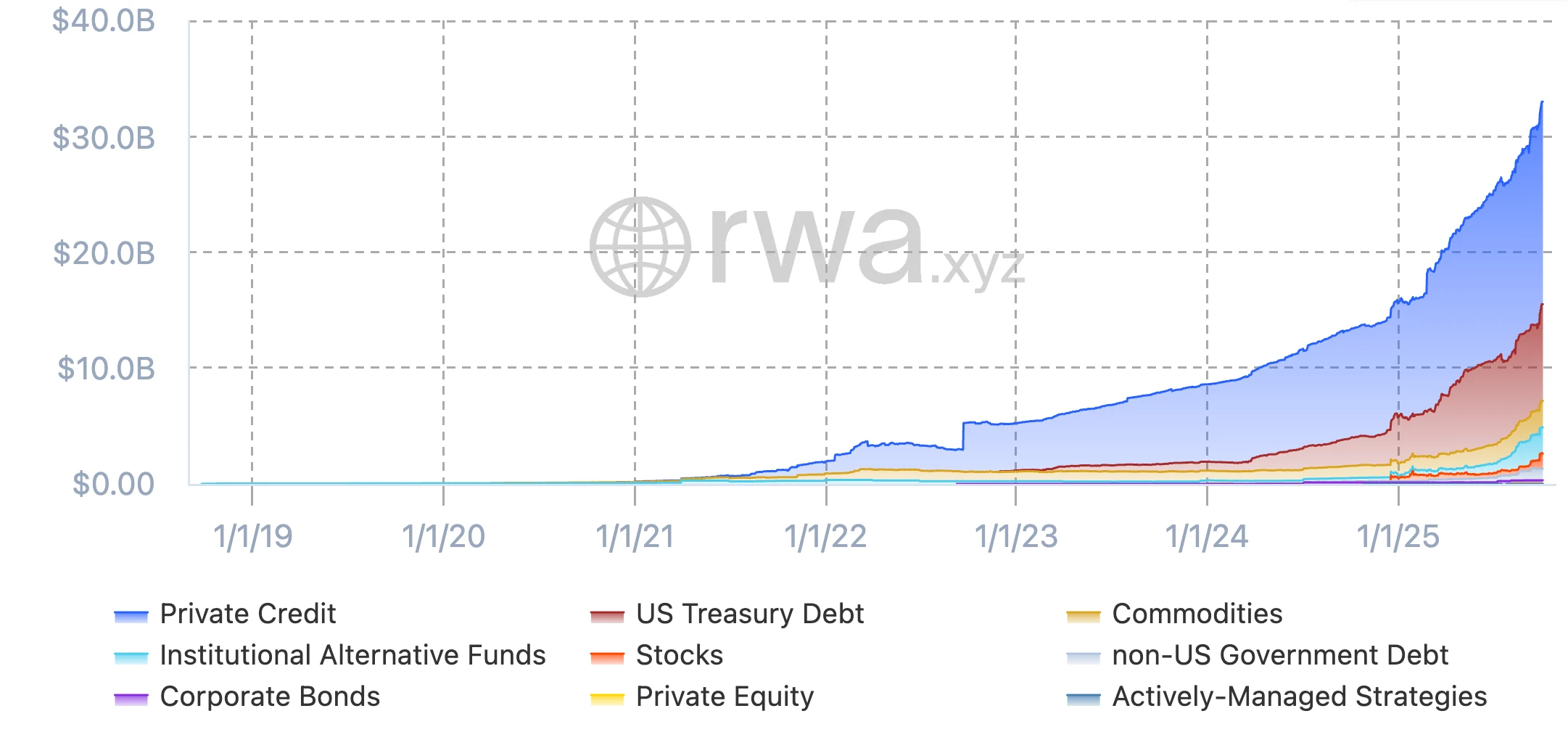
RWA prime brokerage in 2026: what managers expect and what really matters
Real-world asset (RWA) prime brokerage is shifting from experimental pilots to core operational infrastructure. By 2026, institutional managers are no longer asking if they should tokenize assets, but how to integrate those assets into existing prime brokerage frameworks without breaking compliance or liquidity management.
The primary driver is resilience. According to a January 2026 Marex survey, managers continue to grow selectively but with a sharper focus on service quality and alignment over pure cost reduction. They are diversifying prime brokers not just for leverage, but to ensure that RWA collateral—often less liquid than traditional equities or bonds—can be valued and managed across multiple platforms without single-point failures.
This diversification introduces a practical trade-off. While adding prime brokers offers flexibility, it also fragments reporting and increases operational complexity. Managers must now evaluate whether a prime broker’s technology stack can handle the unique settlement cycles of tokenized real estate, private credit, or infrastructure debt. The question is no longer just about credit lines, but about data integrity and regulatory reporting across jurisdictions.
For institutional clients, the biggest prime brokers are those who can bridge the gap between traditional finance (TradFi) compliance and blockchain-based asset issuance. The focus has moved from speculative yield to operational robustness, ensuring that RWA integration does not become a compliance burden.
Rwa prime brokerage 2026 choices that change the plan
Use this section to make the The Rise of Real-World Asset (RWA) Prime Brokerage decision easier to compare in real life, not just on paper. Start with the reader's actual constraint, then separate must-have requirements from details that are merely nice to have. A practical choice should survive normal use, maintenance, timing, and budget. If a recommendation only works in an ideal situation, call that out plainly and give the reader a fallback path.
| Factor | What to check | Why it matters |
|---|---|---|
| Fit | Match the option to the primary use case. | A good deal still fails if it does not fit the job. |
| Condition | Verify age, wear, and service history. | Hidden condition issues erase upfront savings. |
| Cost | Compare purchase price with likely upkeep. | The cheapest option is not always the lowest-cost option. |
Choosing the right RWA prime broker
Selecting a prime broker for real-world assets requires balancing traditional institutional reliability with emerging digital infrastructure. The market has shifted from speculative growth to a focus on resilience, alignment, and service quality. Managers are diversifying their prime broker relationships not just for capacity, but to mitigate operational risk in a complex regulatory landscape.
When evaluating partners, look for firms that offer integrated custody solutions and clear compliance frameworks for tokenized assets. The best providers act as a bridge between legacy finance and on-chain efficiency, ensuring that your RWA holdings are secured, reported, and liquidated without friction. Prioritize partners who demonstrate a deep understanding of both traditional settlement cycles and blockchain interoperability.
To help you structure your due diligence, use this checklist to ensure you cover all critical bases during your selection process.
-
Verify custody solution security (cold storage, multi-sig)
Avoid the weak options
Use this section to make the The Rise of Real-World Asset (RWA) Prime Brokerage decision easier to compare in real life, not just on paper. Start with the reader's actual constraint, then separate must-have requirements from details that are merely nice to have. A practical choice should survive normal use, maintenance, timing, and budget. If a recommendation only works in an ideal situation, call that out plainly and give the reader a fallback path.
The simplest way to use this section is to write down the must-have criteria first, then compare each option against those criteria before weighing nice-to-have features.
No comments yet. Be the first to share your thoughts!