
Rwa prime brokerage 2026 limits to account for
Use this section to make the The Rise of RWA Prime Brokerage decision easier to compare in real life, not just on paper. Start with the reader's actual constraint, then separate must-have requirements from details that are merely nice to have. A practical choice should survive normal use, maintenance, timing, and budget. If a recommendation only works in an ideal situation, call that out plainly and give the reader a fallback path.
The simplest way to use this section is to write down the must-have criteria first, then compare each option against those criteria before weighing nice-to-have features.
Rwa prime brokerage 2026 choices that change the plan
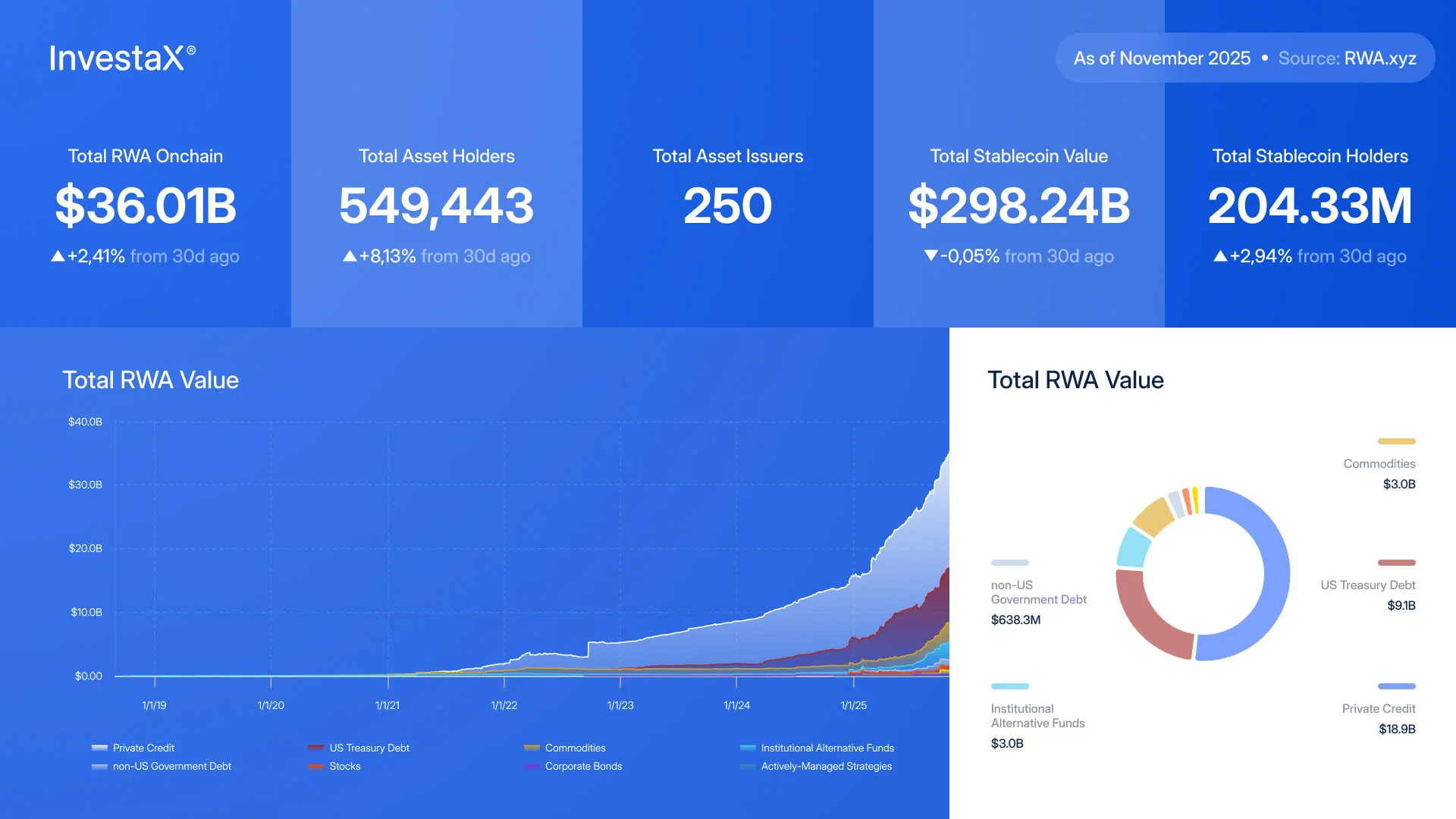
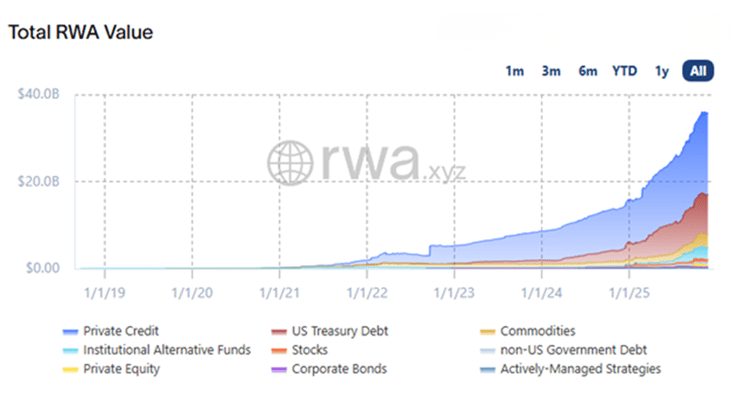
Choosing a prime broker in 2026 requires balancing liquidity access against counterparty risk and operational complexity. With the RWA market surging past $10 billion and tokenization hitting $60 billion across thousands of products, the landscape has shifted from experimental pilots to institutional-grade infrastructure. However, this growth introduces specific tradeoffs that hedge funds and asset managers must evaluate carefully.
The primary consideration is the alignment of service quality with resilience. Managers are no longer just looking for the lowest fees; they are prioritizing brokers who can handle the unique settlement and custody requirements of tokenized assets. Diversification is becoming standard practice, with many funds spreading their exposure across multiple prime brokers to mitigate single-point failures. This approach adds operational overhead but provides a necessary buffer against the volatility inherent in newer asset classes.
Core Evaluation Factors
When comparing prime brokerage services, focus on these concrete metrics:
- Liquidity Depth: Can the broker provide tight spreads for both the underlying fiat and the tokenized asset? Tokenized treasuries are currently the most institutional-ready, but other RWAs may suffer from fragmented liquidity pools.
- Counterparty Transparency: Evaluate the broker’s balance sheet health and their integration with traditional banking rails. A broker that cannot seamlessly bridge on-chain settlement with off-chain collateral management creates significant friction.
- Regulatory Compliance: Ensure the broker operates within clear regulatory frameworks in your jurisdiction. The rise of RWA is heavily influenced by evolving SEC and international guidelines, making compliance a non-negotiable factor for long-term viability.
| Factor | Benefit | Risk |
|---|---|---|
| Single Broker | Simplified operations | Single point of failure |
| Multi-Broker | Resilience and leverage | Higher operational costs |
| Tokenized Treasuries | High institutional readiness | Regulatory uncertainty |
| Alternative RWAs | Diversification potential | Fragmented liquidity |
The choice between a single prime broker and a diversified setup often comes down to the fund’s size and strategy. Smaller funds may find the complexity of multi-broker setups prohibitive, while larger institutions view it as essential risk management. As the market matures, expect to see more specialized brokers emerging, each focusing on specific asset classes like real estate or private credit, rather than generalist providers trying to cover everything.
Build a RWA Prime Brokerage Decision Framework
Selecting a prime broker for tokenized assets requires moving beyond traditional crypto infrastructure. The 2026 landscape demands a hybrid approach that satisfies institutional compliance while enabling on-chain efficiency. Use this five-step framework to evaluate potential partners and structure your liquidity strategy.
Tokenized treasuries and RWAs are subject to traditional securities laws. Ensure your prime broker holds active licenses in your operating jurisdictions (e.g., SEC, FCA, MAS). Without proper regulatory standing, you cannot legally hold tokenized U.S. Treasuries or access institutional-grade liquidity pools.
RWA prime brokerage relies on bridging off-chain legal ownership with on-chain token utility. Evaluate whether the broker offers a hybrid custody model that separates legal title from token possession. This structure is essential for mitigating counterparty risk and ensuring your assets remain accessible even during blockchain network outages.
In 2026, liquidity fragmentation is the primary bottleneck. Your broker must provide unified access to both traditional money markets and DeFi liquidity pools. Test their ability to execute large trades across these silos without significant slippage. Look for brokers that integrate directly with major stablecoin rails and tokenized asset protocols.
Institutional investors require granular, real-time reporting on tokenized holdings. A robust prime broker provides automated audit trails that reconcile on-chain transactions with off-chain legal records. Ensure their reporting tools support complex tax requirements and regulatory filings specific to digital assets.
Relying on a single prime broker creates a critical point of failure. Industry data suggests that managers typically use two to three prime brokers to maintain operational resilience. Diversify your liquidity across providers with different technological stacks and jurisdictional footprints to protect against service disruptions.
Spotting the Weak Links in RWA Prime Brokerage
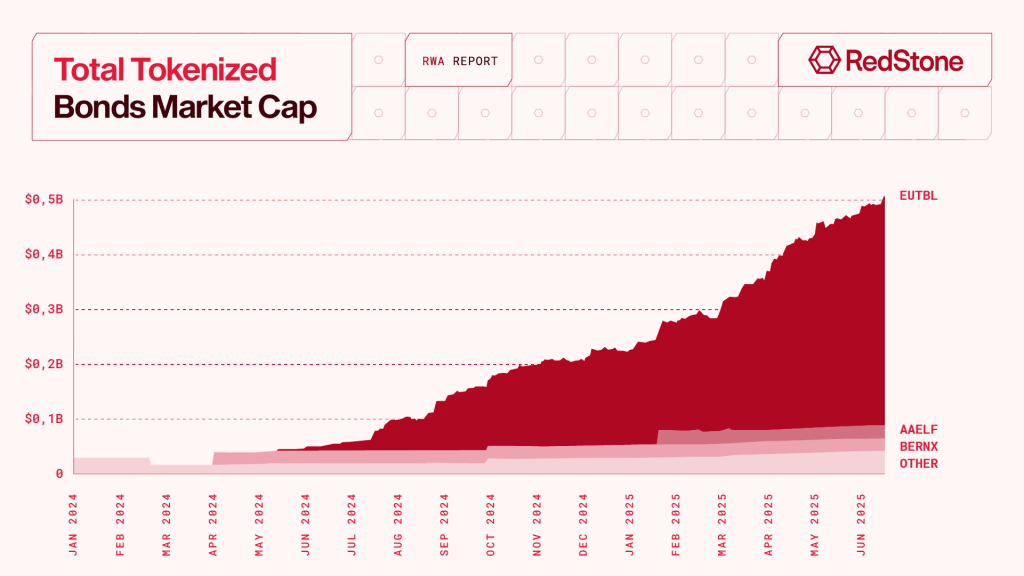
The transition of tokenized treasuries from experimental pilots to a $2–16 trillion market by 2030 has attracted significant attention. However, 2026 is proving to be a year where the gap between marketing claims and operational reality is stark. As managers shift from chasing yield to demanding resilience, identifying weak options in the prime brokerage landscape is critical for institutional liquidity.
Many platforms promise seamless integration and instant settlement, but the underlying infrastructure often lacks the robustness required for high-volume institutional flows. The primary risk lies in the disconnect between the tokenized asset layer and the traditional clearing systems. When liquidity dries up during market stress, these weak links can cause settlement failures or frozen assets, leaving investors exposed to counterparty risk rather than mitigating it.
Another common mistake is over-reliance on a single prime broker. While diversification is standard practice in traditional finance, the fragmented nature of the RWA market means that many "diversified" portfolios are actually concentrated in a few dominant platforms. This creates a false sense of security. Managers who fail to audit their prime brokers' capital alignment and service quality during calm markets often find themselves with limited options when volatility hits.
To navigate this, focus on concrete checks: verify the prime broker's legal standing in both traditional and digital asset jurisdictions, assess their historical settlement performance during stress events, and ensure their liquidity pools are not overly concentrated. The managers who succeed in 2026 are those who prioritize service quality and resilience over the allure of higher, but riskier, yields.
No comments yet. Be the first to share your thoughts!