
Defi prime broker 2026 limits to account for
Prime brokers in 2026 are integrating real-time AI risk management to handle the complexity of DeFi positions. This guide outlines how to evaluate these systems, identify weak options, and choose a provider that fits your specific risk tolerance and capital requirements.
Defi prime broker 2026 choices that change the plan
When selecting a prime broker, you must evaluate how their risk engines interact with your specific use case. The following comparison highlights the critical factors that distinguish institutional-grade services from basic lending protocols.
| Factor | What to check | Why it matters |
|---|---|---|
| Fit | Match the option to the primary use case. | A good deal still fails if it does not fit the job. |
| Condition | Verify age, wear, and service history. | Hidden condition issues erase upfront savings. |
| Cost | Compare purchase price with likely upkeep. | The cheapest option is not always the lowest-cost option. |
Choose the next step
To effectively integrate AI risk management, follow this sequence to ensure your strategy remains robust under stress.

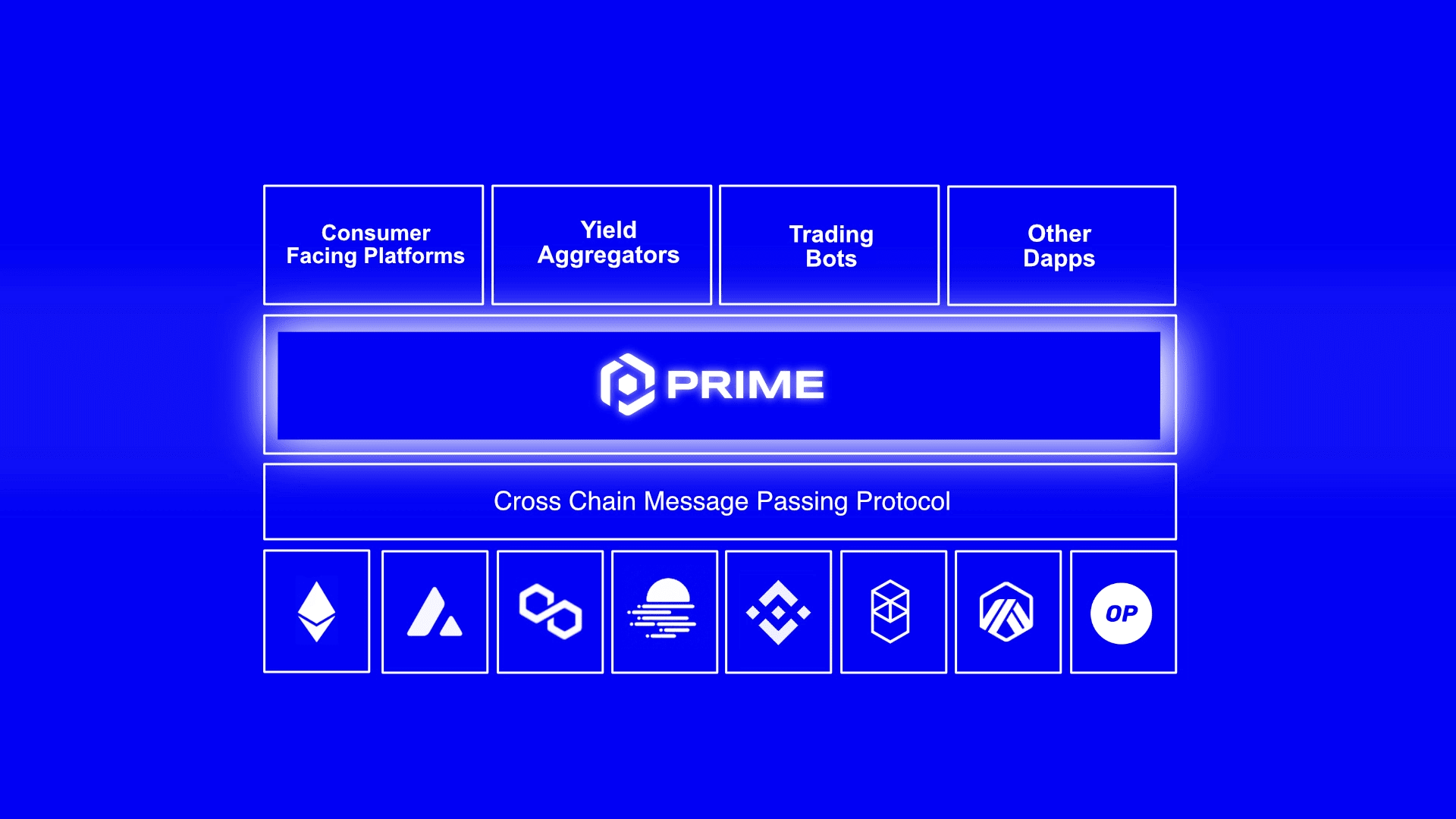
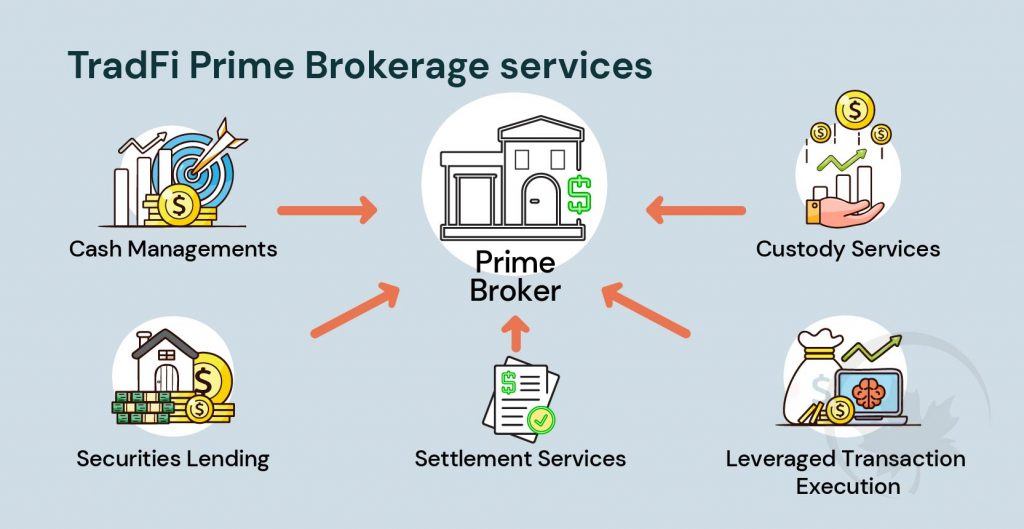
Spot Weak Options in AI Risk Tools
Prime brokers are rolling out real-time AI risk management for DeFi, but not all solutions are built for the same stress levels. Many vendors market "AI" features that are just rule-based scripts with a fancy dashboard. You need to separate the marketing from the actual mechanics before integrating them into your custody or lending stack.
The "Real-Time" Trap
Many tools claim real-time monitoring but actually rely on batch processing that lags by minutes or hours. In DeFi, where a liquidation can happen in a single block, this lag is a fatal flaw. Check if the tool connects directly to the mempool or if it pulls data from a delayed indexer. If it isn't watching the transaction pool before it hits the chain, it's not real-time.
Over-Reliance on Static Oracles
A common mistake is trusting a single oracle source for price feeds without a fallback mechanism. If an oracle is manipulated or goes offline, the AI risk engine has no data to act on. Look for tools that aggregate multiple oracle sources and have a built-in circuit breaker to pause positions if data quality drops below a set threshold.
Ignoring Smart Contract Risk
Some AI risk managers focus only on market volatility and ignore the underlying code. A model can predict a price drop perfectly, but if the protocol has a critical bug, the asset becomes worthless regardless of the price. Ensure the AI system includes a smart contract audit layer that flags high-risk protocols before they enter your risk parameters.
Lack of Customizable Thresholds
Generic risk settings rarely fit a diversified DeFi portfolio. If the tool forces you to use its default limits, you're leaving money on the table or taking on more risk than you intend. The best platforms allow you to set custom volatility thresholds, liquidation buffers, and exposure limits for each asset class.
No Clear Exit Strategy
AI can flag a risk, but it won't always execute a safe exit. Some tools trigger a liquidation automatically, which can worsen slippage in illiquid pools. Verify if the system offers manual override options or integrates with DEX aggregators to find the best exit route. An AI that screams "danger" but can't help you escape is just noise.
Defi prime broker 2026: what to check next
Before committing capital to a prime broker, it helps to separate marketing from mechanics. The 2026 landscape is defined by real-time risk engines and on-chain settlement, but it is not without friction. Below are the practical answers to the most common objections.
No comments yet. Be the first to share your thoughts!