
Get tokenized real-world assets right
Before you allocate capital or build infrastructure, you need to verify the underlying mechanics. Tokenized real-world assets (RWAs) are blockchain-based tokens that represent ownership stakes in physical or traditional assets, but the token is only as reliable as the legal and technical framework behind it. Prime brokers are adapting by demanding rigorous proof of reserve and clear custody chains.
Follow this sequence to ensure your RWA strategy is grounded in reality, not just marketing.
1. Verify Legal Enforceability
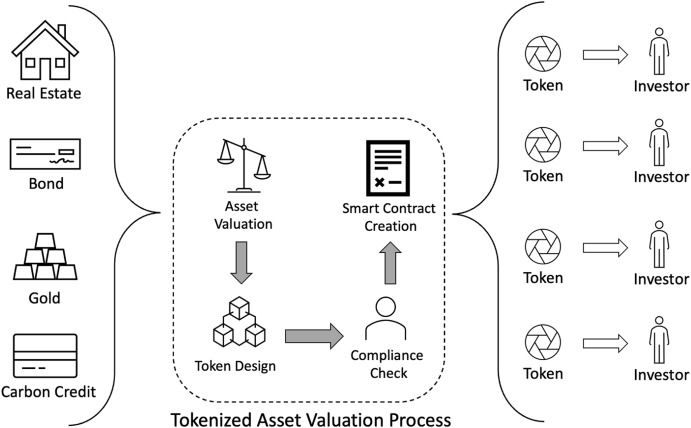
A token is just data until it is backed by a legal claim. Ensure the issuer has a clear legal structure that defines who owns the underlying asset and how that ownership is transferred. Look for entities that have filed the necessary securities exemptions or have established special purpose vehicles (SPVs) to hold the asset. If the legal wrapper is weak, the token has no real-world value.
2. Audit the Custody Solution
Who holds the physical asset? You need a regulated custodian with a proven track record. Avoid projects where the issuer claims to "hold" the asset in their own vault without third-party verification. Check if the custodian offers regular, independent audits of the reserves. For high-value assets like gold or real estate, this is non-negotiable.
3. Test Liquidity and Redemption
Can you actually sell the token? Many RWA projects look liquid on paper but fail in practice because there is no secondary market or redemption mechanism. Check the order book depth on supported exchanges. More importantly, verify the redemption process: can you swap the token back for the underlying asset, and how long does it take? Friction here kills volume.
4. Check On-Chain Transparency
The blockchain should provide real-time visibility into the token supply and the backing asset. Use block explorers to verify that the total supply of tokens matches the audited reserves. If the data is off-chain or requires a subscription to view, the transparency benefit of blockchain is lost. Look for projects that publish real-time reserve proofs or integrate with oracle services that verify off-chain data.
5. Assess Regulatory Compliance
RWA tokenization is heavily regulated. Ensure the project complies with the securities laws of the jurisdictions where its investors reside. This includes KYC/AML checks and investor accreditation requirements. Non-compliant tokens can be frozen or delisted, rendering them worthless. Check if the project has obtained licenses or exemptions in key markets like the US, EU, or Singapore.
Work through the steps
The Rise of Tokenized Real-World Assets (RWA) works best as a clear sequence: define the constraint, compare the realistic options, test the tradeoff, and choose the path with the fewest hidden costs. That order keeps the advice usable instead of decorative. After each step, pause long enough to check whether the recommendation still fits the reader's actual situation. If it depends on perfect timing, unusual access, or a best-case budget, include a simpler fallback.
Common mistakes in tokenizing real-world assets
Even with prime brokers adapting their infrastructure, tokenized real-world assets (RWA) remain prone to structural failures. The gap between legal ownership and digital representation often leads to liquidity traps or compliance breaches. Recognizing these pitfalls early helps institutions avoid costly rework and regulatory scrutiny.
Ignoring legal enforceability Many projects mint tokens without a clear legal wrapper. If the token doesn’t represent a legally binding claim on the underlying asset, it’s just a speculative asset, not a true RWA. Always ensure the smart contract aligns with the custodial agreement and local securities laws.
Overlooking oracle reliability RWA prices depend on real-world data feeds. If the oracle providing the price or status of the asset fails or is manipulated, the token’s value becomes disconnected from reality. Use redundant, decentralized oracle networks to mitigate single points of failure.
Neglecting secondary market liquidity Minting an asset is only half the battle. Without a designated trading venue or liquidity provider, the token becomes illiquid. Prime brokers now offer built-in liquidity solutions, but issuers must still structure the tokenomics to attract market makers from day one.
Skipping compliance automation Manual KYC/AML checks don’t scale. If your token doesn’t enforce transfer restrictions programmatically, you risk selling to ineligible investors. Embed compliance rules directly into the token standard to ensure only verified wallets can hold or trade the asset.
No comments yet. Be the first to share your thoughts!