

In the high-stakes arena of DeFi margin trading, where leverage can multiply gains or wipe out positions in a flash, rehypothecation stands as both a double-edged sword and a silent threat. This practice-where lenders reuse borrowers' collateral to secure their own loans or generate yield-has fueled capital efficiency on onchain platforms. Yet, as recent blowups reveal, it often spirals into systemic fragility. At DefiPrimeBroker. com, our custom rehypothecation toggles offer traders precise control, transforming a murky risk into a manageable lever for safer strategies.
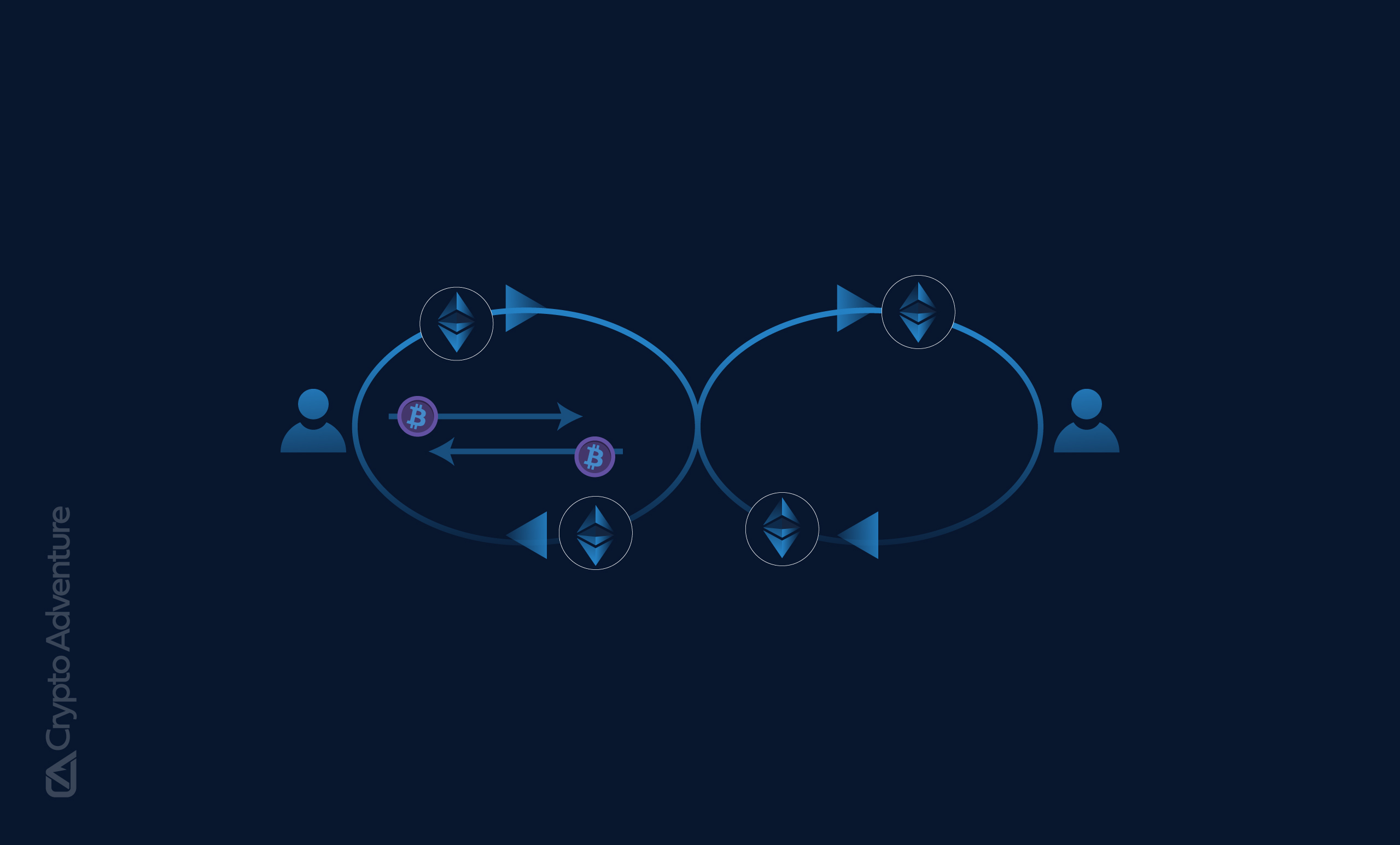
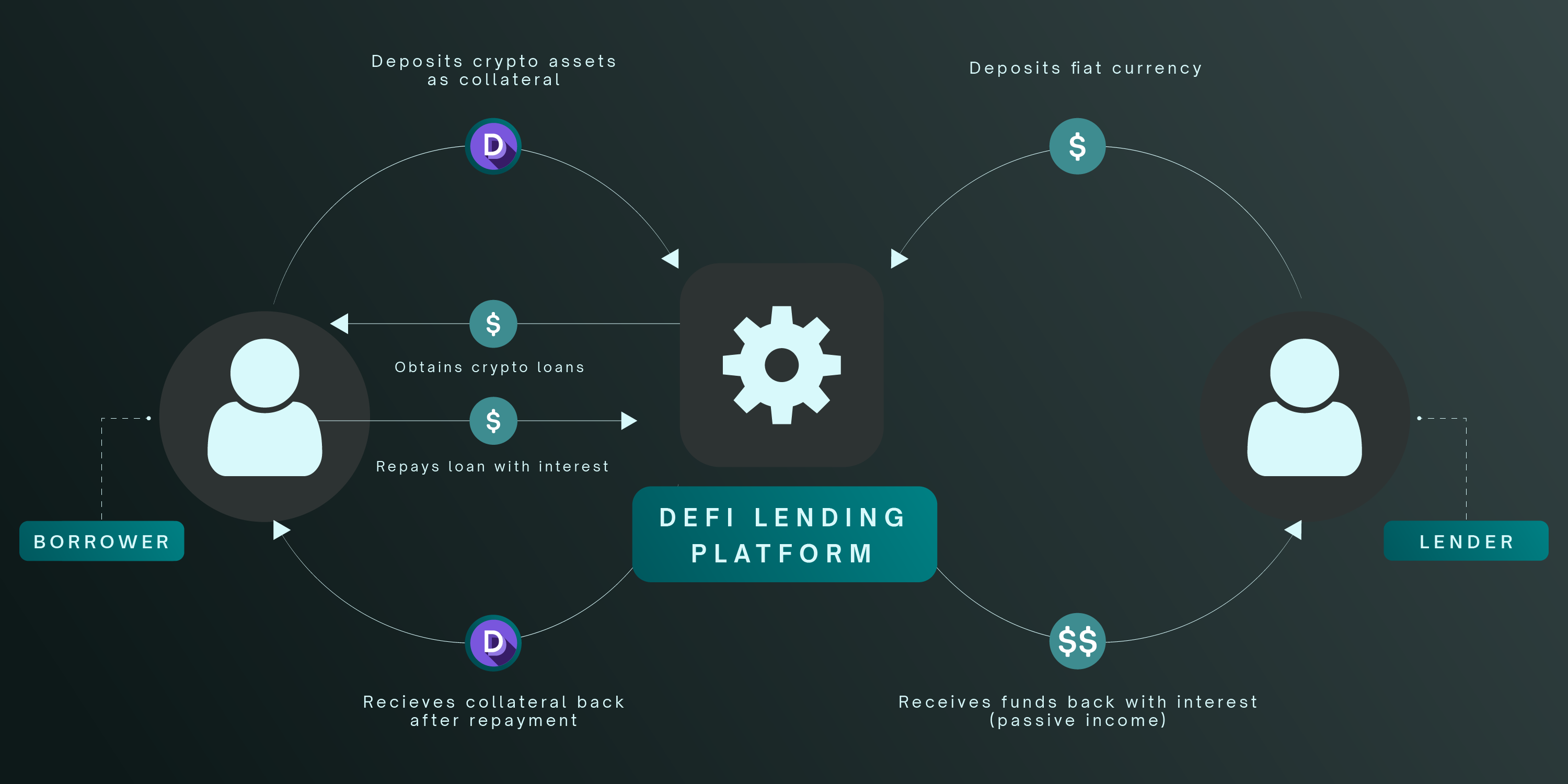
Rehypothecation thrives in DeFi's permissionless environment. A trader posts collateral, say ETH, to borrow USDC for leveraged trades. The lending protocol then deploys that ETH elsewhere-perhaps as collateral in another pool or to back its own positions. This chaining boosts liquidity and lowers borrowing costs, drawing in sophisticated players chasing yield. But when markets turn, this interconnected web unravels fast. Collateral gets locked across protocols, triggering cascades of liquidations.
Unpacking Rehypothecation's Role in Onchain Margin Trading
Fundamentally, rehypothecation echoes traditional finance, where prime brokers reuse hedge fund collateral up to regulated limits, like 140% of debt in U. S. margin accounts. DeFi strips away those guardrails. Protocols like Aave or Compound enable seamless collateral reuse via tokenized positions, letting liquidity provider tokens serve double duty as new collateral. This tokenization supercharges efficiency: one asset works overtime across ecosystems.
Yet efficiency comes at a cost. Platforms govern rehypothecation through smart contract terms, not client agreements, leaving users blind to downstream exposures. As a 20-year veteran in commodities and crypto, I've seen cycles punish the overleveraged. DefiPrimeBroker. com's analytics correlate these risks to macro trends, helping position for resilience over speculation.

Systemic Risks Exposed: Lessons from Recent DeFi Failures
The Stream Finance implosion laid bare the perils. Over $284 million in loans and stablecoin liabilities evaporated as rehypothecated collateral tangled across platforms. Liquidity crunches hit, platforms faced insolvency, and mass withdrawals amplified losses. Jupiter Lend's saga echoed this: innovative collateral reuse mitigated some risks but navigated a paradox of leverage and fragility.
Binance Academy notes lenders using user collateral for third-party yield, heightening loss risks in downturns. MEXC highlights collateral evaporation during squeezes. Self-custody via non-custodial wallets mitigates some dangers, but margin traders need more granular tools. Platforms like CoinRabbit shun rehypothecation entirely, cold-storing funds with multisig. Noble, but it sacrifices efficiency many crave.
Key Risks of Unchecked Rehypothecation
- Collateral Chaining: Lenders reuse user collateral for their own loans or yield generation, creating multi-layered dependencies across DeFi protocols that amplify exposure if any link fails.
- Liquidation Cascades: Interconnected rehypothecation leads to chain reactions where one platform's liquidation triggers others, as seen in systemic DeFi fragilities.

- Platform Insolvency: Over-reliance on rehypothecated assets heightens bankruptcy risk during liquidity crunches or mass withdrawals, exemplified by Stream Finance's $284M collapse.

- Yield Illusion vs True Safety: Apparent high yields from rehypothecation mask underlying risks, prioritizing short-term efficiency over long-term stability in unregulated DeFi environments.

These incidents underscore DeFi's paradox: innovation amplifies both opportunity and vulnerability. Without transparency, traders face amplified leverage tails-risks that dwarf isolated positions.
Why Custom Rehypothecation Toggles Are a Game-Changer for DeFi Prime Brokerage
Enter custom rehypothecation toggles, the cornerstone of onchain margin trading controls at DefiPrimeBroker. com. Unlike rigid protocols, we let users dial in permissions: full opt-out for ultra-conservatives, tiered allowances for yield hunters, or protocol-specific whitelists. This precision minimizes risks while preserving capital efficiency.
Imagine setting toggles to block reuse beyond your lending pool, or capping chain depth at two hops. Real-time reporting tracks exposures, correlating to macro cycles via our analytics suite. For institutions, compliance-grade tools ensure audits align with traditional standards-think Berkeley's regulated limits, but onchain.
Nolus's DeFi Lease offers a glimpse: 150% investment amplification with partial liquidations. We build on this, adding toggles for lower thresholds and cross-chain safety. Traders gain DeFi prime brokerage safety without custodial trade-offs, optimizing low-risk positions through cycles.
Our platform's toggles extend beyond basic on-off switches. Traders can configure custom rehypothecation settings based on asset type, chain, or even volatility thresholds. For volatile assets like SOL during macro shifts, opt for zero rehypothecation to shield against cascades. Stablecoin collateral? Allow limited reuse for yield without excessive exposure. This granularity empowers onchain margin trading controls tailored to your risk appetite, drawing from lessons in traditional prime brokerage where I've managed commodity cycles for decades.
Implementing Toggles: Precision Risk Management in Action
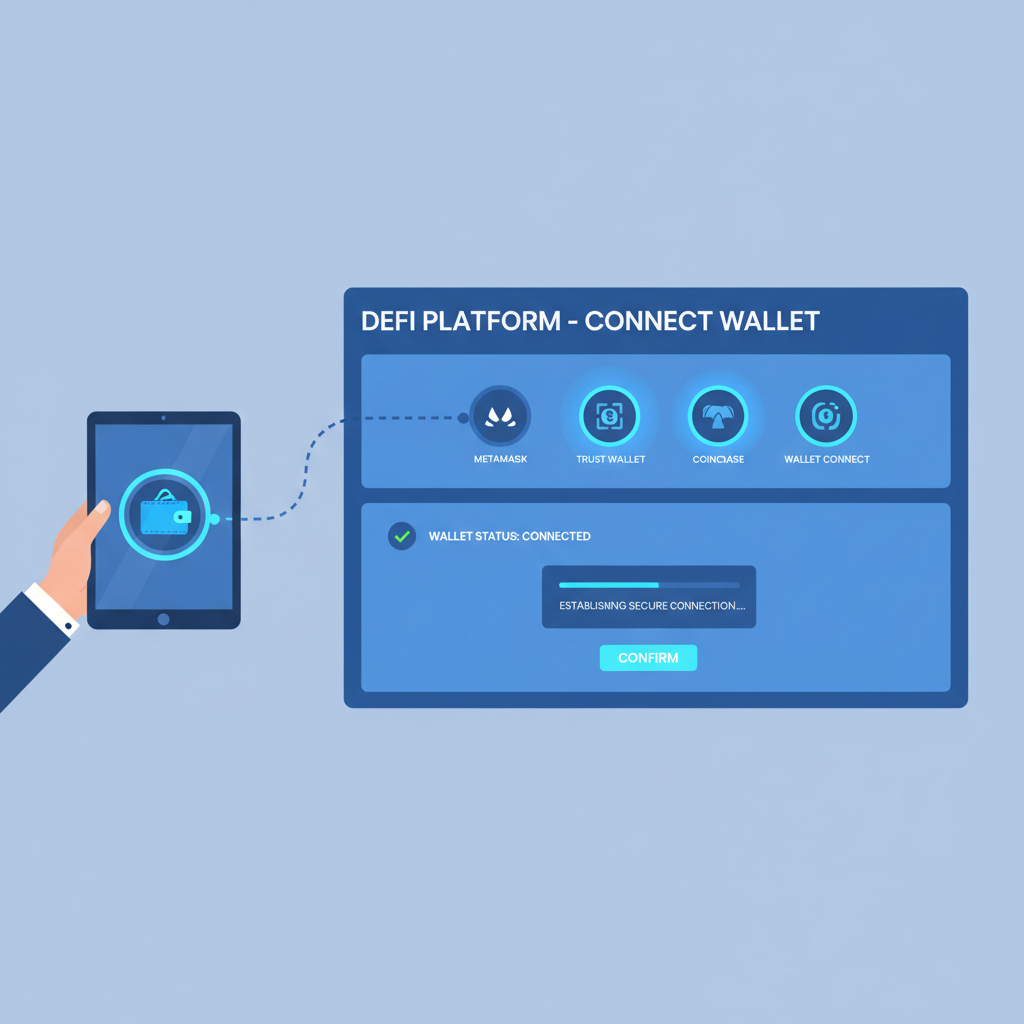
DefiPrimeBroker. com integrates these toggles seamlessly into margin workflows. Real-time dashboards visualize collateral flows, flagging potential chain risks before they materialize. Comprehensive risk management layers in stress tests against historical drawdowns, like the 2022 crypto winter, ensuring positions withstand correlated shocks. Institutions benefit from API-driven reporting for seamless compliance, bridging DeFi's speed with TradFi rigor.
Master Safer DeFi Margin Trading: Custom Rehypothecation Toggles on DefiPrimeBroker
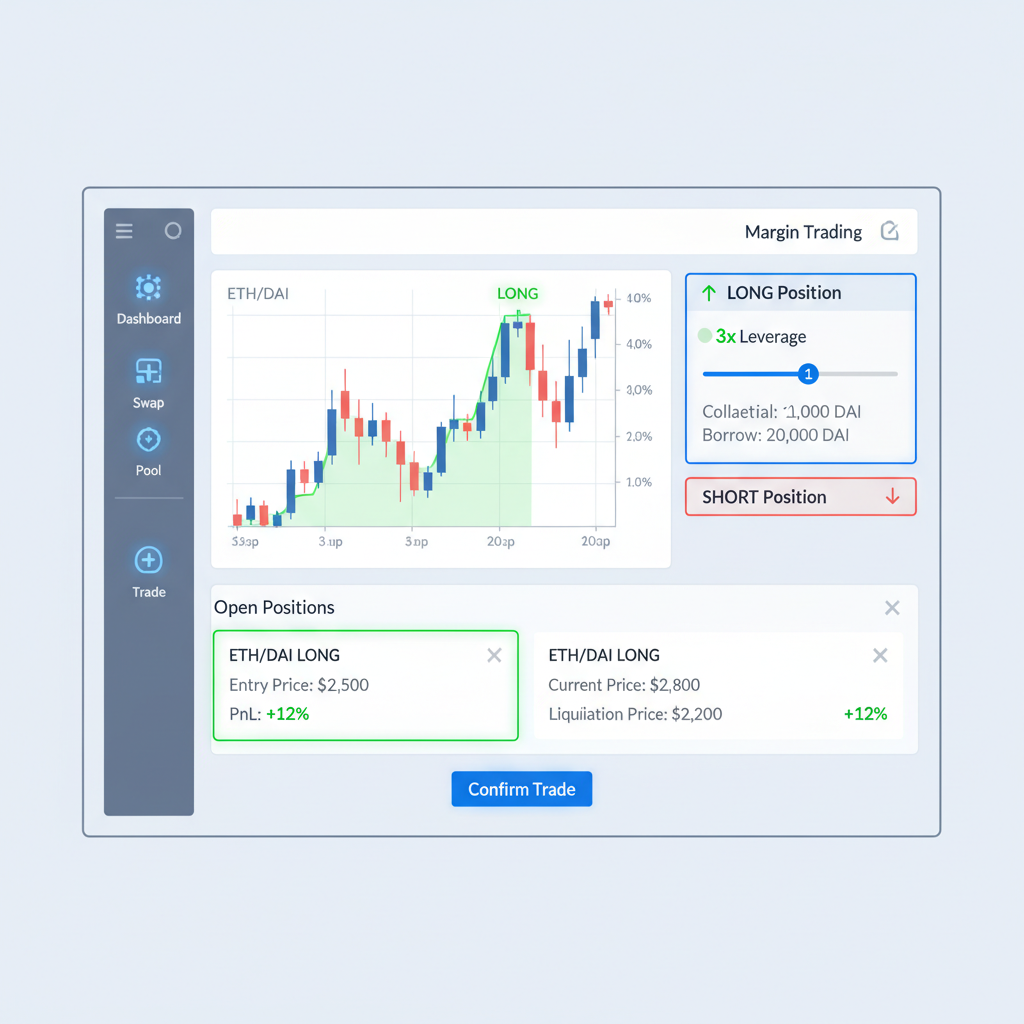
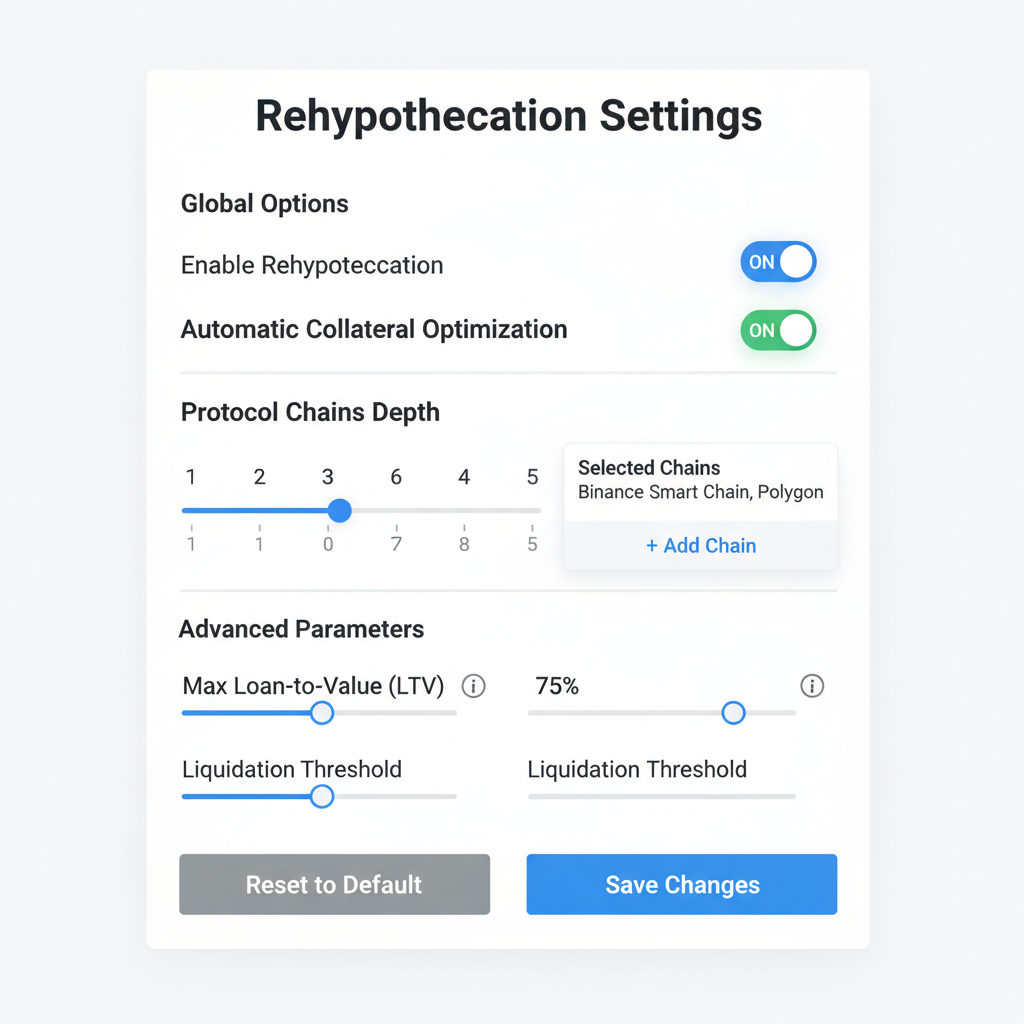
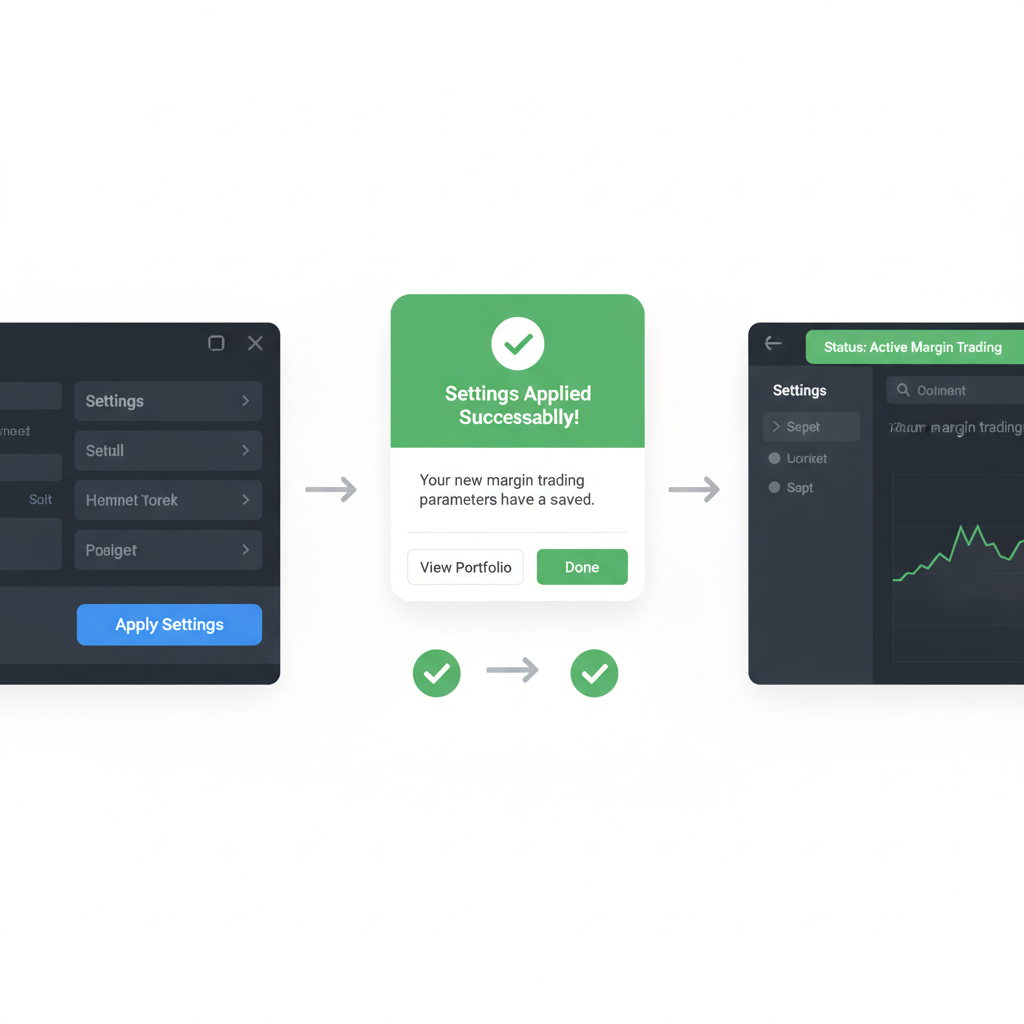
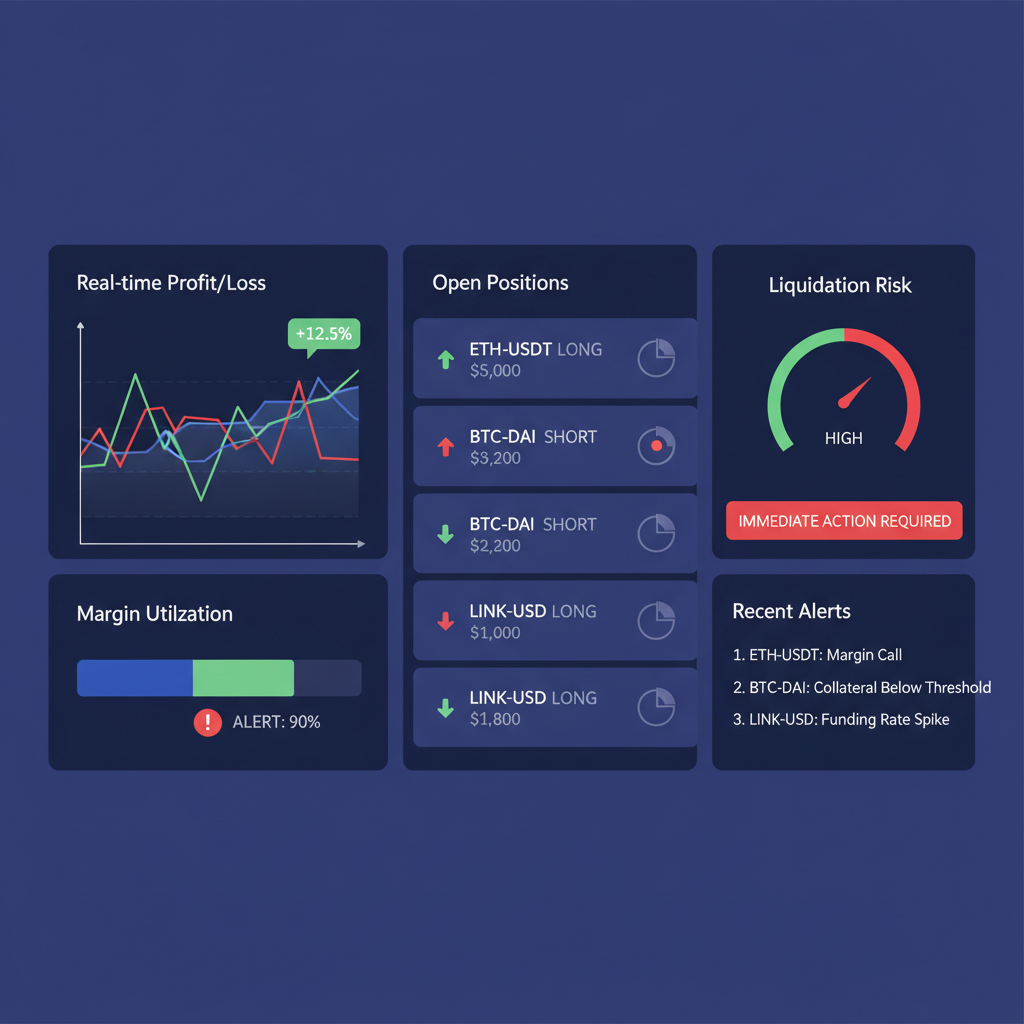
Picture a trader long ETH at current levels, borrowing against BTC collateral. Without toggles, that BTC might loop through five protocols, inflating liquidation risk. With our controls, cap it at one hop, preserving upside while curtailing tails. This isn't just safety; it's strategic positioning for cycles, aligning with my fundamental approach to wealth building.
Platform Comparison: Toggles vs Traditional DeFi Risks
Most DeFi lenders offer no user-level controls, relying on protocol-wide parameters that shift with governance votes. Aave's efficiency modes enable reuse but expose users uniformly. Compound's tokenized positions invite endless chaining. Nolus innovates with leases, yet lacks per-user customization. CoinRabbit avoids reuse altogether, trading efficiency for security. DefiPrimeBroker. com synthesizes the best: opt-in efficiency with veto power.
Rehypothecation Features Comparison Across DeFi Platforms
| Platform | User Controls (Yes/No/Granular) | Max Chain Depth | Risk Reporting | Yield Optimization |
|---|---|---|---|---|
| Aave | No ❌ | Unlimited | Basic 📊 | Yes 💰 |
| Compound | No ❌ | Unlimited | Basic 📊 | Yes 💰 |
| Nolus | Granular 🎛️ | Limited | Advanced ⚠️ | Yes 💰 |
| CoinRabbit | Yes (Disabled) ✅ | 0 | Full 🔒 | No ❌ |
| DeFiPrimeBroker.com | No ❌ | Unlimited | Standard 📈 | Yes 💰 |
Our edge lies in transparency. Every toggle decision logs onchain, auditable yet private. Analytics tie exposures to macro indicators - interest rates, commodity vols - spotting divergences early. In a sector prone to black swans, this foresight turns defense into advantage.
Institutions scaling into DeFi demand more. Our rehypothecation controls support multi-sig deployments, whitelisted partners, and dynamic adjustments via oracles. Partial liquidations, inspired by Nolus, pair with toggles to soften blows, maintaining portfolio integrity amid flash crashes.
Navigating DeFi's Future with Controlled Leverage
Rehypothecation will persist in DeFi - it's baked into composability. But unchecked, it courts fragility, as Stream Finance proved. Platforms evolving toward hybrid models, blending TradFi limits with blockchain speed, will dominate. DefiPrimeBroker. com leads here, delivering DeFi prime brokerage safety through toggles that let you harness efficiency without surrender.
For the sophisticated trader, these tools unlock nuanced strategies. Pair toggles with our margin optimizer for yield-maximized, risk-minimized positions. Correlate to long-term trends - BTC halvings, ETH upgrades - positioning for accumulation phases over FOMO peaks. Self-custody remains king for core holdings, but for active margin, granular controls bridge the gap.
Over two decades navigating markets, from oil shocks to crypto winters, one truth endures: sustainability trumps speculation. DefiPrimeBroker. com's custom toggles embody this, equipping you to build wealth through cycles, not chases. In onchain prime brokerage, control isn't optional - it's the foundation of enduring edge.




No comments yet. Be the first to share your thoughts!