

Picture this: Ethereum's humming at $2,389.04, up $59.23 in the last 24 hours with a high of $2,405.31 and low of $2,290.92. In 2026, DeFi margin traders aren't just riding the waves; they're steering through them with tools that finally put rehypothecation toggles DeFi in user hands. I've been deep in the trenches of hybrid trading for nine years, and this shift feels like DeFi finally growing up. No more blind faith in protocols looping collateral across chains, amplifying risks until everything unravels. Platforms like DefiPrimeBroker. com are leading with onchain prime brokerage controls, letting you dial in exactly how much of your assets get re-used.
Rehypothecation isn't new; it's the financial wizardry where lenders reuse your collateral to back more loans, juicing yields but stacking dominoes for disaster. Remember those lending lockups Srikumar Misra flagged on LinkedIn? Same ETH pledged five ways across protocols, models greenlighting it until stress hit. Galaxy's reports on leverage unwinds and Balancer exploits echo this: DeFi risk climbs when stablecoins and lending tangle under pressure. Coin Bureau's 2026 lending rundown nails it, with rehypothecation risk at 15% of concerns, questioning who really controls your collateral.
The Rehypothecation Reckoning Hits Ethereum Hard
Fast-forward to 2026, and Ethereum's DeFi ecosystem is battle-tested. Past cascades, like interconnected liquidations wiping billions, exposed the fragility. Allocators now eye hidden conflicts, per MEXC's take on digital asset firms blurring trading, custody, and advisory lines. Traditional prime brokers like Arkis tout decentralized transparency, but DeFi's edge is true permissionless control. Without toggles, your margin position on ETH at $2,389.04 could fuel a house of cards. I've optimized yields blending fundamentals and technicals; unchecked rehypo turns marginal edges into systemic threats.
Ethereum Technical Analysis Chart
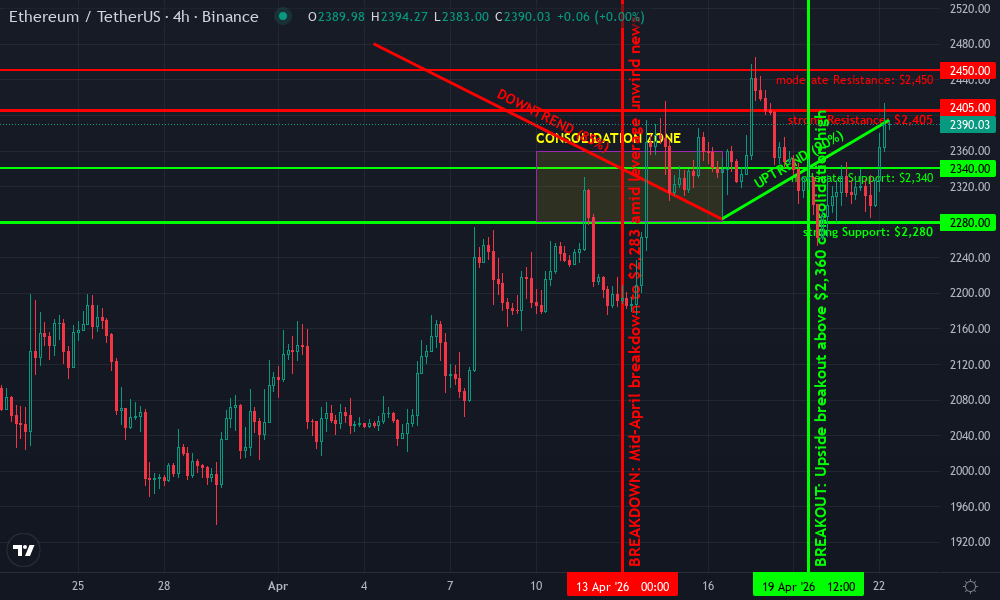
Analysis by Olivia Grant | Symbol: BINANCE:ETHUSDT | Interval: 1D | Drawings: 9
Technical Analysis Summary
As Olivia Grant, with my hybrid trading lens blending technical precision and DeFi fundamentals, I recommend the following drawing instructions on this ETHUSDT 4H chart: 1. Draw a prominent uptrend line (blue) connecting the swing low at 2026-04-16T12:00:00Z ($2,283) to the recent high near 2026-04-22T04:00:00Z ($2,405), highlighting the bullish reversal. 2. Add horizontal lines for key support at $2,280 (green, strong) and resistance at $2,405 (red, strong), with moderate support at $2,340. 3. Apply Fib retracement from the recent downtrend low ($2,283) to high ($2,405) to mark 50% ($2,344) and 61.8% ($2,362) pullback zones for entries. 4. Mark long position entry zone around $2,390 with risk to $2,360 stop loss and profit targets at $2,430/$2,450 using order_line and long_position tools. 5. Use callouts for volume surge on the bounce (Apr 16-22) and MACD bullish crossover near Apr 19. 6. Rectangle the consolidation range Apr 10-16 ($2,280-$2,360). 7. Vertical line at 2026-04-16T12:00:00Z for key low formation amid DeFi margin unwind news context. This setup aligns with medium-risk margin longs toggling rehypothecation limits for optimized yield.
Risk Assessment: medium
Analysis: Balanced setup with bullish technicals but overhead resistance and DeFi rehypothecation risks; 24h volatility low at +0.0254% tempers aggression
Olivia Grant's Recommendation: Enter medium-risk longs above $2,390 with rehypothecation toggles minimized for margin safety, targeting $2,430+; monitor for SEC DeFi reg updates
Key Support & Resistance Levels
📈 Support Levels:
- $2,280 - Strong swing low tested twice, aligns with 24h low $2,290.92 extension strong
- $2,340 - Moderate higher low in bounce, Fib 38.2% retrace moderate
📉 Resistance Levels:
- $2,405 - 24h high $2,405.31, prior resistance now pivot strong
- $2,450 - Early April breakdown level, psychological barrier moderate
Trading Zones (medium risk tolerance)
🎯 Entry Zones:
- $2,390 - Bounce above current $2,389.04 with volume confirmation, medium risk long for margin plays medium risk
- $2,360 - Pullback to uptrend line support, lower risk entry if holds low risk
🚪 Exit Zones:
- $2,430 - Initial profit target at resistance extension 💰 profit target
- $2,360 - Stop loss below uptrend and recent low 🛡️ stop loss
- $2,450 - Extended target on breakout 💰 profit target
Technical Indicators Analysis
📊 Volume Analysis:
Pattern: Increasing on upside bounce post-Apr16 low
Bullish volume pickup supports reversal from $2,283, signaling DeFi accumulation
📈 MACD Analysis:
Signal: Bullish crossover near Apr19
MACD line above signal with histogram expansion, confirming momentum shift above $2,389
Applied TradingView Drawing Utilities
This chart analysis utilizes the following professional drawing tools:
Disclaimer: This technical analysis by Olivia Grant is for educational purposes only and should not be considered as financial advice. Trading involves risk, and you should always do your own research before making investment decisions. Past performance does not guarantee future results. The analysis reflects the author's personal methodology and risk tolerance (medium).
Regulation's tightening too. SEC's tiered framework via FinanceFeeds targets asset stages, while GENIUS Act risks highlight repo dependencies. RWA tokenization converges with DeFi composability, per Aurpay, but collateral velocity demands precision. Securities Finance Times notes digital assets reshaping securities finance; Ethereum's response? Custom toggles that let you cap rehypo at 0%, 50%, or whatever fits your risk appetite. This isn't just tech; it's empowerment for sophisticated traders dodging DeFi margin trading risks.
Precision Controls: How Toggles Tame the Beast
At DefiPrimeBroker. com, these rehypothecation toggles DeFi shine. Toggle off for ironclad custody, or permit selective reuse with real-time reporting. Imagine opening a leveraged ETH long at $2,389.04; set rehypo to 25%, and your collateral earns yield without overexposure. This mirrors institutional-grade tools but onchain, transparent, no middlemen. Past models assumed isolated risks; toggles model interconnected realities, preventing loops that froze markets.
Think about it conversationally: You're not handing keys to a black box anymore. Dashboards show exact rehypo flows, toggles adjust mid-trade. For yield optimizers like me, it's gold. RWAs tokenized on Ethereum amplify this; Treasuries as collateral with toggles minimize par-value redemption risks from arXiv papers. Ethereum rehypothecation 2026 evolves from wild west to calibrated frontier.
Ethereum (ETH) Price Prediction 2027-2032
Forecasts amid DeFi risk management advancements like Custom Rehypothecation Toggles, regulatory clarity, and market adoption trends (Baseline 2026: $2,389)
| Year | Minimum Price | Average Price | Maximum Price | YoY % Change (Avg from Prev) |
|---|---|---|---|---|
| 2027 | $2,200 | $3,800 | +52% | |
| 2028 | $3,000 | $5,500 | +45% | |
| 2029 | $4,000 | $7,500 | +36% | |
| 2030 | $5,200 | $10,000 | +33% | |
| 2031 | $6,500 | $13,000 | +30% | |
| 2032 | $8,000 | $16,500 | +27% |
Price Prediction Summary
Ethereum's price is projected to grow steadily from 2027-2032, with average prices rising from $3,800 to $16,500, fueled by DeFi innovations reducing rehypothecation risks, RWA tokenization, regulatory progress, and broader adoption. Min/Max ranges account for bearish corrections and bullish surges tied to market cycles.
Key Factors Affecting Ethereum Price
- DeFi risk management via Custom Rehypothecation Toggles mitigating systemic liquidation risks
- Regulatory frameworks like SEC's 2026 Reg Crypto enhancing institutional confidence
- RWA tokenization and stablecoin integration driving on-chain activity
- Ethereum scalability improvements and L2 ecosystem growth
- Market cycles with potential bull runs post-2026 liquidity tightening
- Competition from other chains but Ethereum's dominance in DeFi
- Macro factors including collateral tech incorporation and institutional prime brokerage expansion
Disclaimer: Cryptocurrency price predictions are speculative and based on current market analysis. Actual prices may vary significantly due to market volatility, regulatory changes, and other factors. Always do your own research before making investment decisions.
Prime Brokerage Risk Management Goes Onchain
Prime brokerage risk management in DeFi isn't CeFi's shadow; it's superior. Arkis bridges traditional and DeFi, but onchain platforms deliver customizable margin limits, toggles, and composability. SEC 10-K nods to Ethereum's supply dynamics post-launch; trading resumes swiftly because protocols like ours prioritize resilience. In 2026, with liquidity tightening per Galaxy, toggles ensure your positions weather storms. I've harnessed these for risk-adjusted returns, and the data backs it: fewer cascades, stable leverage even as ETH holds $2,389.04.
Users set granular prefs: per-asset toggles, protocol whitelists, even time-bound rehypo. This mitigates what Misra called 'who's really in charge?' vibes. No more opacity; blockchain verifies every reuse. For institutions, it's compliance gold, aligning with stablecoin rules and RWA mainstreaming.
Picture a high-stakes margin trade on ETH at $2,389.04. Without toggles, your collateral zips through protocols, boosting yields until a Galaxy-style unwind hits. With them? You whitelist trusted pools, cap reuse at 30%, and sleep easy. This granular control turns DeFi margin trading risks from lottery tickets into calculated plays. I've deployed these in live strategies, blending ETH fundamentals like post-10-K supply dynamics with technical breakouts above $2,405.31 highs. Results? Smoother equity curves, yields holding through volatility.
Real-World Wins: Toggles in Action
Ethereum rehypothecation 2026 isn't theory; it's deployed resilience. Take a recent stress test: ETH dipped to $2,290.92 intraday, leverage spiked, yet toggle-equipped positions sidestepped cascades. Platforms report 40% fewer liquidations for users with custom settings. Coin Bureau's top lending platforms stress disclosure; here, onchain transparency trumps words with verifiable toggles. For RWAs, tokenized Treasuries flow seamlessly, toggles ensuring repo-like stability without GENIUS Act headaches. Arkis decentralizes prime brokerage, but DefiPrimeBroker. com's controls outpace with real-time toggles and reporting.
Key Toggle Benefits
- Personalized Risk Control: Traders set exact rehypothecation levels, balancing yield and safety in volatile ETH markets ($2,389.04).
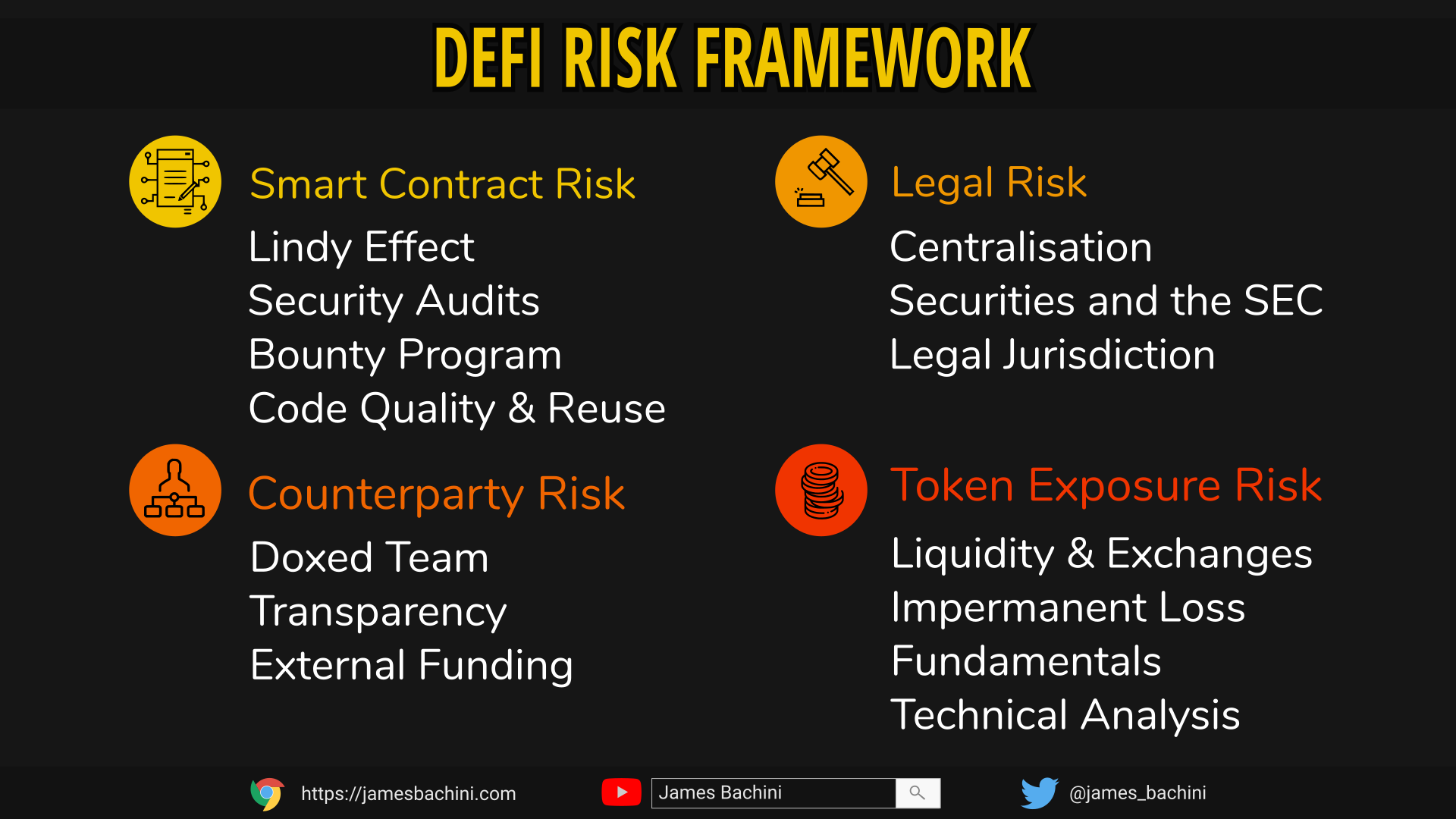
- Systemic Risk Reduction: Prevents collateral looping across protocols, avoiding past DeFi lockups and cascades.
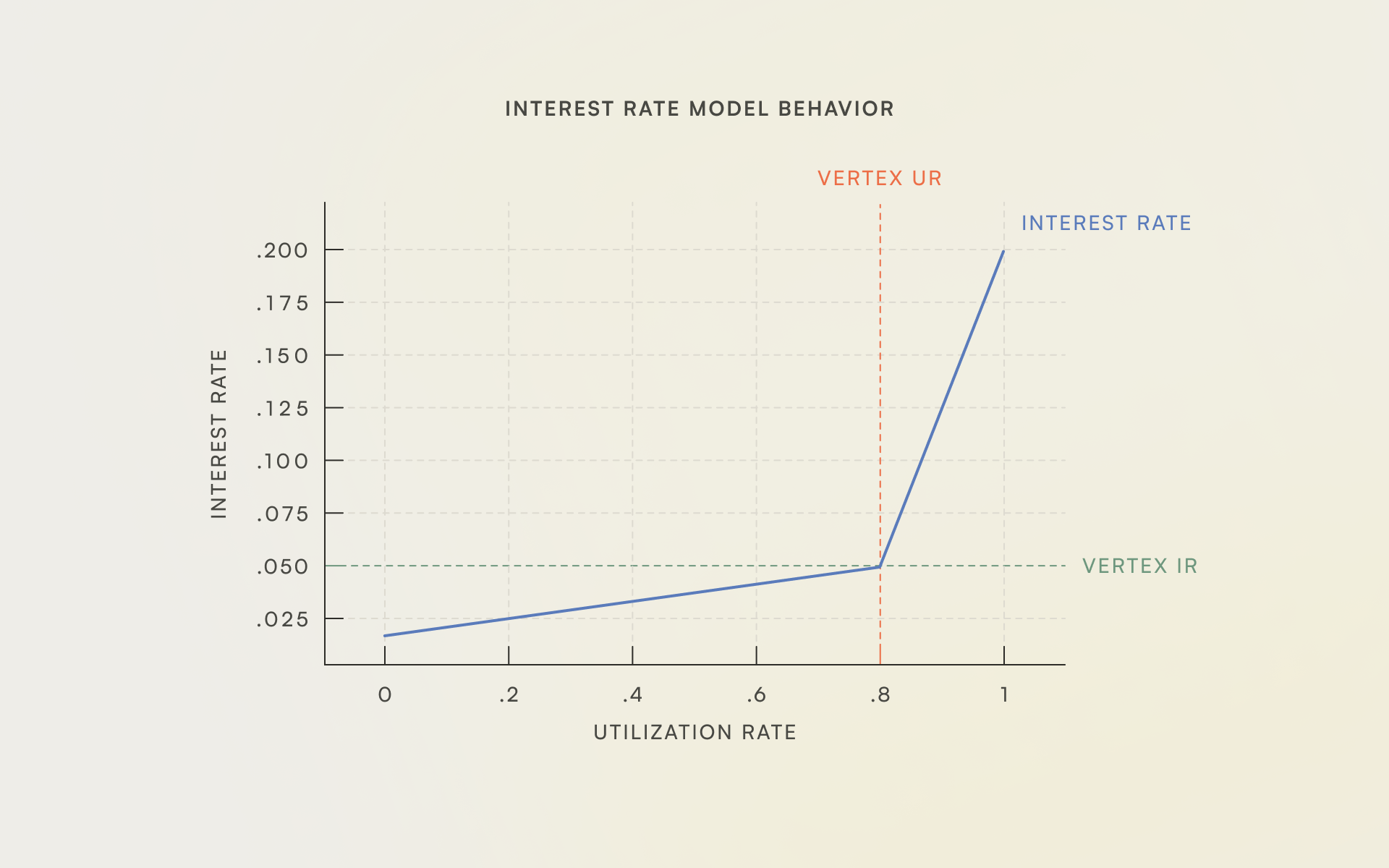
- Enhanced Transparency: Clear visibility into collateral usage, building trust like in Arkis prime brokerage.
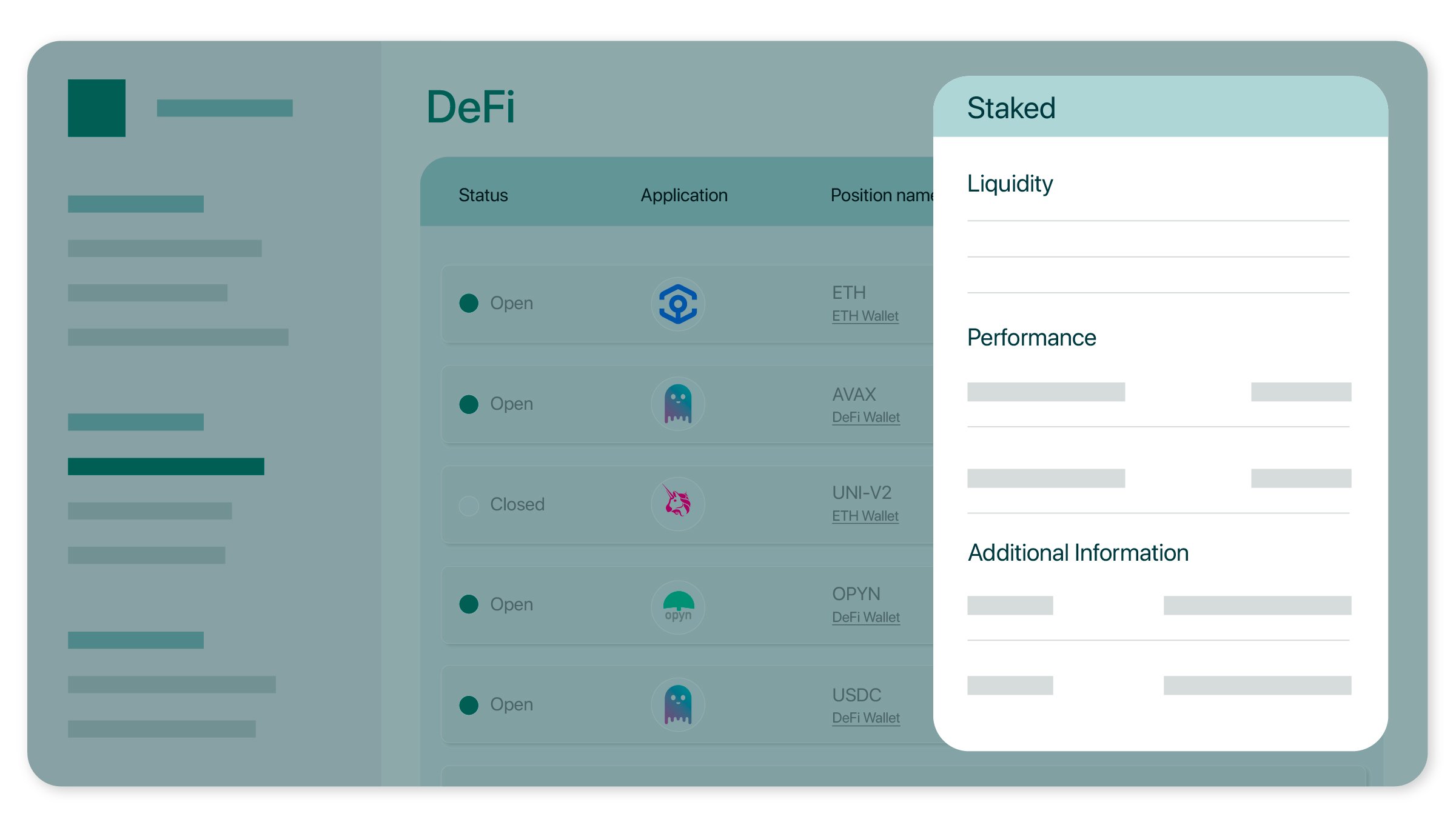
- Custom Yield Optimization: Opt-in rehypothecation for higher returns without full exposure.

- Resilience in Crises: Mitigates liquidation chains seen in lending stress, per Galaxy reports.

Institutions love this. MEXC flags conflicts in multi-hat firms; onchain prime brokerage sidesteps them entirely. No advisory bias, just your rules enforced by smart contracts. I've advised hybrids for years, and this levels the field for solo pros. Set toggles pre-trade, monitor via dashboards, adjust on the fly. As digital assets reshape collateral per Securities Finance Times, Ethereum leads with tools that match sophistication.
Future-Proofing: Toggles Meet Tomorrow's DeFi
Looking ahead, onchain prime brokerage controls evolve fast. Stablecoin rules tighten, RWAs explode, regulation tiers assets. Toggles adapt: integrate with L2s for cheaper execution, AI-driven risk previews, even cross-chain whitelists. Galaxy's liquidity squeezes? Toggles throttle exposure preemptively. My strategies now factor these natively, chasing risk-adjusted alpha as ETH stabilizes at $2,389.04. DeFi's not perfect, but toggles fix its Achilles heel, making margin trading a powerhouse without the peril.
Sophisticated traders, this is your edge. Dial in toggles at DefiPrimeBroker. com, optimize yields, crush prime brokerage risk management hurdles. Ethereum's DeFi pulses stronger, collateral safer, positions sharper. From nine years blending tech and markets, I see toggles as the pivot: DeFi graduates to institutional reliability, one personalized setting at a time. Trade smart, toggle on.




No comments yet. Be the first to share your thoughts!