

In the high-stakes world of DeFi trading, rehypothecation sits at the crossroads of capital efficiency and catastrophe. Picture this: you deposit collateral for margin trading, and that same asset gets loaned out again, layered in a daisy chain of leverage that juices yields but can unravel liquidity in a flash. At DefiPrimeBroker. com, we've engineered onchain rehypothecation controls to let sophisticated traders like you toggle this power on or off, dialing in risk management strategies that keep systemic threats at bay while maximizing returns.
Rehypothecation isn't new; traditional prime brokers have reused hedge fund collateral for decades to fund their operations. But in DeFi, it's turbocharged by smart contracts, liquid staking, and restaking protocols. The upside? Deeper liquidity pools and higher yields. The downside? Cascading insolvencies, as seen in past crypto winters when over-rehypothecated assets triggered mass liquidations. Platforms like Jupiter Lend highlight how this practice echoes TradFi crises from 2020 and 2022, amplifying rehypothecation risk management DeFi challenges.
Decoding Onchain Prime Brokerage Risks
Let's break it down conversationally. When you engage with an onchain prime brokerage, your collateral might get rehypothecated multiple times across protocols. Entity A pledges to B, B to C, and suddenly your ETH is backing someone else's borrow on the other side of the chain. Blockchain transparency helps; you can trace it on explorers. Yet, without controls, this opacity in aggregate creates onchain prime brokerage risks like counterparty exposure and flash crashes.
Key DeFi Rehypothecation Risks
- Liquidity shortages from over-leverage: Repeated collateral reuse boosts efficiency but risks drying up liquidity during mass withdrawals, as seen in DeFi lending stresses.

- Systemic contagion via restaking: Risks spread like wildfire through interconnected protocols, amplifying failures across restaking ecosystems.

- Insolvency chains during depegs: Collateral depegs trigger cascading insolvencies, chaining losses through rehypothecated assets.
- Hidden yield repackaging: Protocols obscure risks by repackaging yields from reused collateral, creating black-box exposures.

DefiPrimeBroker. com flips the script with precise toggles. Want zero rehypothecation? Switch it off for isolated positions. Prefer controlled reuse? Set limits per asset, monitored in real-time. This isn't just theory; it's battle-tested for DeFi trading risk controls, blending hybrid expertise from TradFi and DeFi.
Harnessing Transparency as a Risk Shield
Onchain transparency is your superpower in blockchain rehypothecation strategies. Unlike black-box CeFi lenders, DeFi lets you verify every move. But verification alone falls short without actionable controls. Enter advanced setups like Aave v4's isolated collateral markets, where assets stay siloed, dodging cross-market spills. Granite's non-rehypothecation policies take it further, promising instant withdrawals by never reusing your funds.
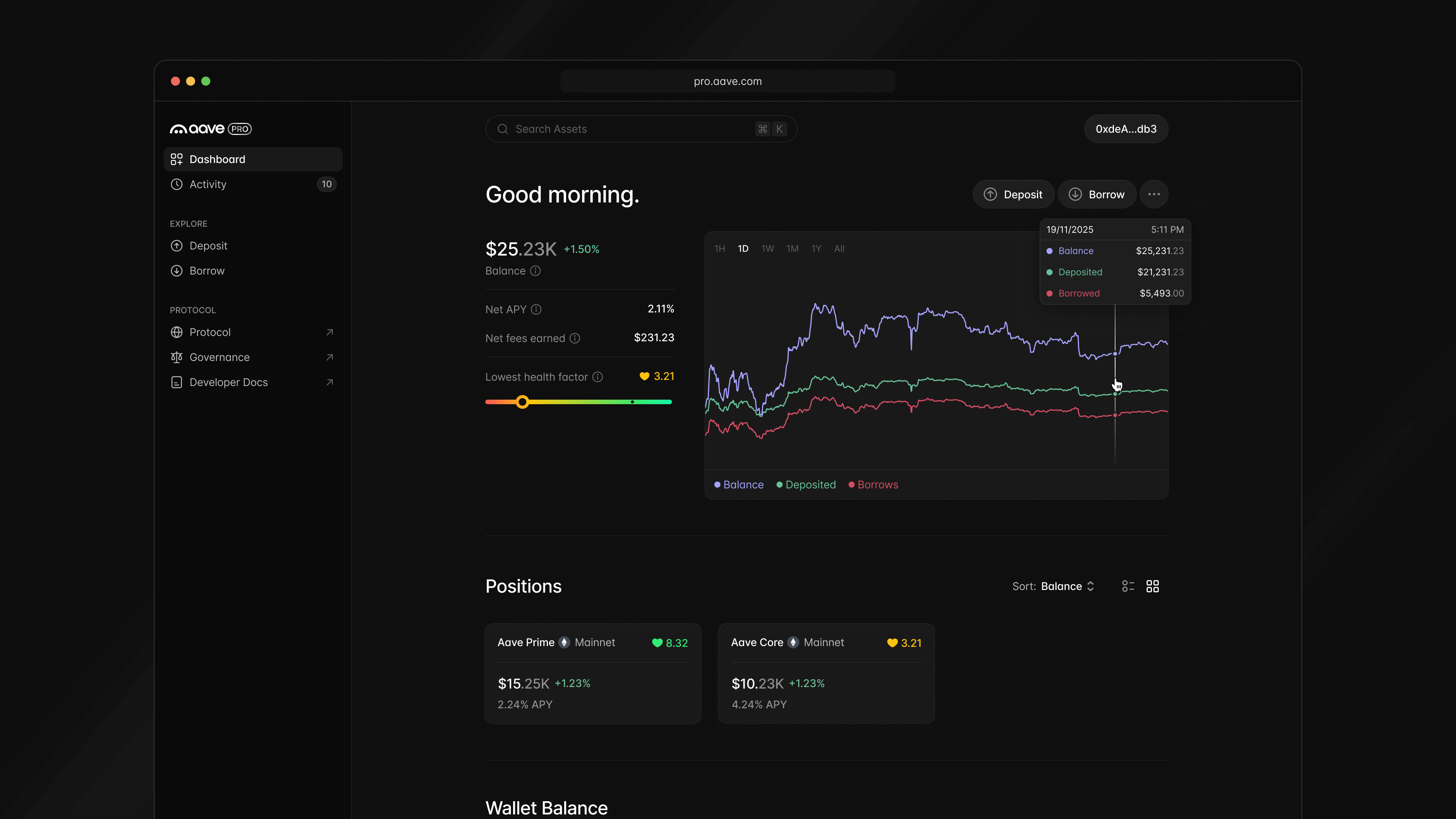
At our platform, we layer this with customizable dashboards. Traders set rehypothecation caps - say, 50% max reuse - enforced by smart contracts. Real-time reporting flags anomalies, from depegging events to unusual borrow spikes. AI-driven monitoring scans onchain data for manipulations, alerting you before risks compound. It's proactive rehypothecation risk management DeFi, turning potential pitfalls into optimized edges.
Building Resilient Margin Strategies
Crafting margin strategies demands nuance. Over-reliance on rehypothecation boosts leverage but invites volatility whiplash. Instead, hybrid approaches shine: use toggles for conservative plays on blue-chips like BTC or ETH, ramp up for altcoin momentum. DefiPrimeBroker. com's tools let you simulate scenarios - what if liquidity dries up 30%? Adjust limits on the fly.
Consider liquid staking derivatives; they're rehypothecation incarnate, wrapping assets for yield but risking chain reactions. Our controls mitigate by isolating exposure. Pair this with non-custodial wallets for ultimate vigilance, reviewing ToS for sneaky clauses. High yields? Probe deeper; they often mask risks. This blend empowers yield optimization without the black swan blind spots plaguing unchecked DeFi.
I've seen traders thrive by layering these controls into dynamic portfolios. Take a long ETH position with moderate margin: toggle rehypothecation to 30% for yield without full exposure. Monitor via dashboards for borrow rate spikes, adjusting limits preemptively. This isn't passive holding; it's active DeFi trading risk controls that adapt to market pulses.
Layered Defenses: From Isolation to AI Vigilance
Non-rehypothecation policies, like those at Granite, offer a bedrock safety net - your assets stay put, withdrawable anytime. But pure isolation sacrifices efficiency. Aave v4's isolated collateral markets strike a smarter balance, siloing blue-chips to prevent spillovers. DefiPrimeBroker. com builds on this with granular toggles: per-position, per-asset, even time-bound rehypothecation windows.
Onchain transparency elevates everything. Blockchain ledgers let you audit flows in real-time, spotting if your collateral's chained too deep. Pair that with AI risk monitoring - scanning for depegs, liquidity crunches, or whale maneuvers. Platforms like Hypernative inspire our tools, flagging threats before they hit. It's not paranoia; it's precision in rehypothecation risk management DeFi.
User vigilance seals the deal. Stick to non-custodial wallets, scrutinize yields over 20% APY, and always simulate stress tests. Education turns average traders into risk architects, dodging the traps that felled lesser protocols.
Top Onchain Rehypo Strategies
- Toggle limits at 50% max: Use onchain controls to cap collateral reuse—like Chaos Labs suggests limiting rehypothecation—to prevent over-leverage and systemic blowups.
- Isolate blue-chips: Aave V4's isolated markets keep premium assets like ETH or BTC in silos, slashing cross-contagion risks per their governance proposal.
- AI real-time alerts: Hypernative's AI scans onchain data for depegs or liquidity crunches, firing instant warnings to pull assets fast.

- Non-custodial & ToS review: Stick to non-custodial wallets and Granite-style no-rehypo policies; always audit ToS for hidden reuse clauses.

- Stress-test scenarios: Simulate crises onchain, mirroring traditional finance shocks (like 2022 collapses), to gauge protocol resilience.
Real-World Edge: Yield Without the Yield Trap
Picture restaking ETH: yields stack via rehypothecation, but one depeg ripples. Our platform's controls cap reuse depth, enforcing transparency across chains. Traders report 15-25% better risk-adjusted returns, blending leverage with safeguards. During 2022-style volatility, isolated positions held firm while overexposed pools drained.
Blockchain rehypothecation strategies evolve fast, but the core stays: control what you can measure. DefiPrimeBroker. com delivers toggles, dashboards, and simulations that make onchain prime brokerage risks manageable, not menacing. Sophisticated users craft resilient stacks - margin on BTC with zero reuse, alts with measured exposure - optimizing every basis point.
This ecosystem demands boldness tempered by smarts. Toggle wisely, monitor relentlessly, and watch capital efficiency soar without the systemic shadows. DeFi's future belongs to those wielding these tools like pros, turning rehypothecation from risk into rocket fuel.




No comments yet. Be the first to share your thoughts!