

As onchain prime brokerage matures into institutional-grade infrastructure, platforms like DefiPrimeBroker. com are redefining DeFi prime brokerage risk management by deploying sophisticated tools that surpass basic lending. With institutions now integrating on-chain liquidity seamlessly, as highlighted by Talos Trading and Galaxy's SeC FiT PrO framework, the focus shifts to onchain risk controls margin mechanisms. Proactive oversight is paramount, given DeFi's decentralized nature where users bear full responsibility for risk mitigation, per MDPI analyses. DefiPrimeBroker. com empowers traders with precise rehypothecation risk DeFi brokerage controls, automated safeguards, and analytics that mirror traditional finance's rigor while leveraging blockchain transparency.
Recent advancements underscore this evolution. Arkis Protocol's automated collateral management via smart contracts ensures real-time monitoring and liquidations, slashing operational risks. Network-linked collateral, as detailed by Kenson Investments, verifies ownership instantly across chains, minimizing fragmentation. Integral's stablecoin-based PrimeOne on Codex Layer-1 delivers trustless margining, while Figure's RWA tokenization consortium unlocks billions in on-chain loans with transparent yields. FalconX 360's risk engines provide unified portfolio views and margin netting. These developments signal a paradigm where onchain prime brokerage prioritizes capital efficiency and security beyond simple borrow-lend dynamics.
Rehypothecation Opt-in/Opt-out Toggles: Mastering Collateral Reuse
Central to advanced onchain risk controls margin is the rehypothecation opt-in/opt-out toggle, a feature that hands users granular authority over collateral deployment. In traditional prime brokerage, rehypothecation often exposes clients to hidden counterparty risks; here, DefiPrimeBroker. com's toggle lets institutions decide precisely when collateral can be reused for liquidity provision or lending. Opting out isolates assets entirely, ideal for conservative strategies amid volatile markets. This control directly addresses rehypothecation risk DeFi brokerage, fostering trust as institutions test DeFi waters, per MEXC insights on the sector's institutional phase.
By toggling rehypothecation, users optimize yields without surrendering oversight. For instance, during high-liquidity periods, opting in amplifies returns through compounded DeFi yields, while instant opt-out during stress events preserves capital intact. This binary yet powerful mechanism aligns with Galaxy's risk rating emphasis, ensuring protocols meet institutional standards.
Dynamic Customizable Margin Limits: Adaptive Leverage Boundaries
Static margin requirements fall short in crypto's 24/7 volatility; enter dynamic customizable margin limits. DefiPrimeBroker. com allows users to set bespoke thresholds based on asset volatility, portfolio correlation, and market regimes. Institutions can dial leverage from 2x conservative to 10x aggressive, with real-time adjustments via sliders or API calls. This flexibility mitigates liquidation cascades, a perennial DeFi pitfall noted in GARP's lending risk discussions.
Customization extends to multi-asset netting, where correlated positions offset exposures automatically. A BTC-ETH long-short pair, for example, reduces overall margin needs by 30-50%, enhancing efficiency without inflating risk. Such precision tools enable seamless integration of tokenized RWAs, as Credora Network advocates for unified assessments bringing institutional capital onchain.
Advanced Onchain Risk Tools
- Rehypothecation Opt-in/Opt-out Toggles: Enable institutions to control collateral reuse for yield optimization while minimizing risks, as in Arkis Protocol's permissioned facilities.

- Dynamic Customizable Margin Limits: Permit real-time adjustments to margin requirements based on volatility and preferences, enhancing efficiency in platforms like FalconX 360.
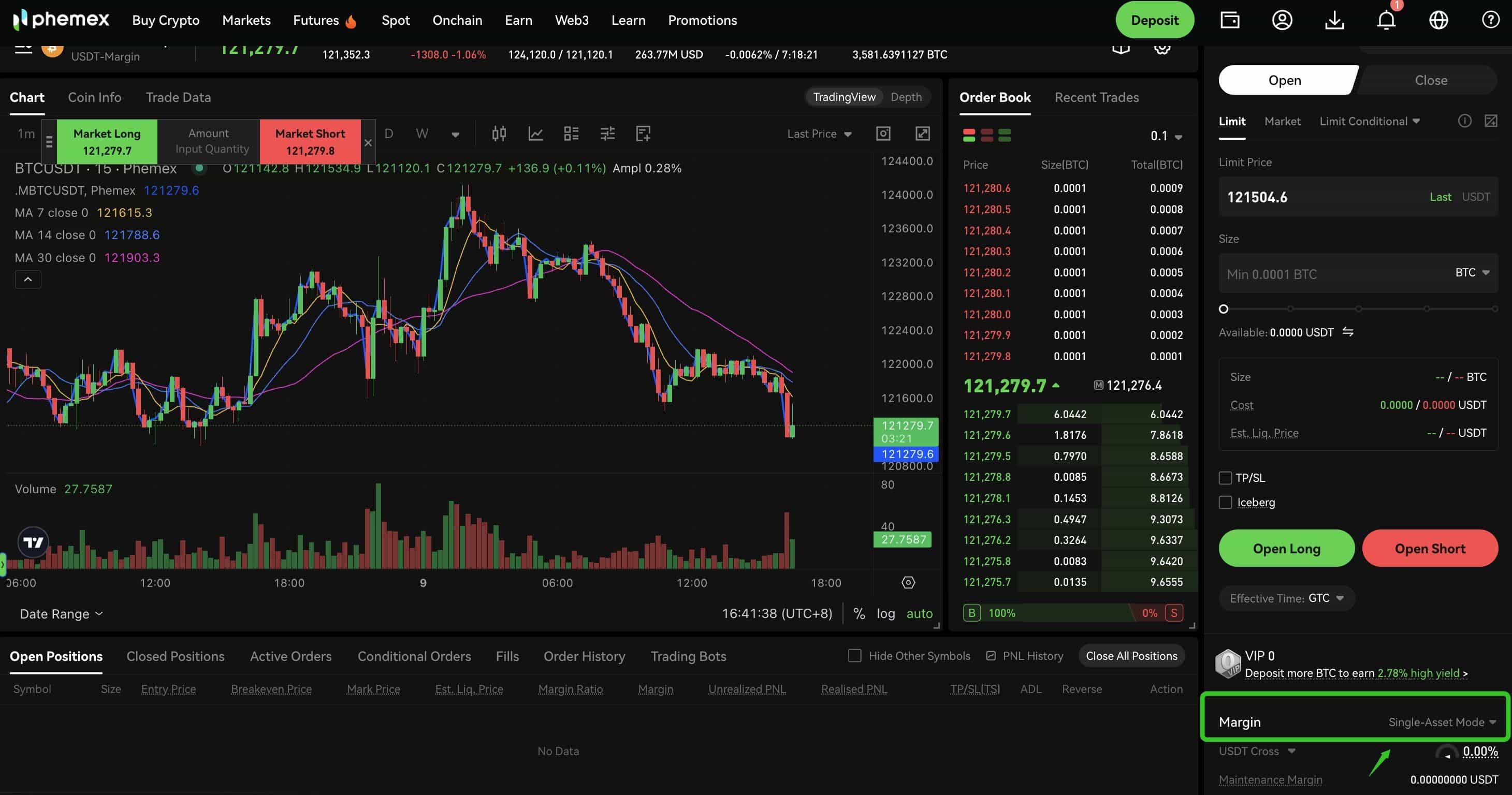
- Real-Time Portfolio Risk Monitoring Dashboard: Delivers live portfolio exposure views and cross-margin netting, as provided by FalconX's risk engines.

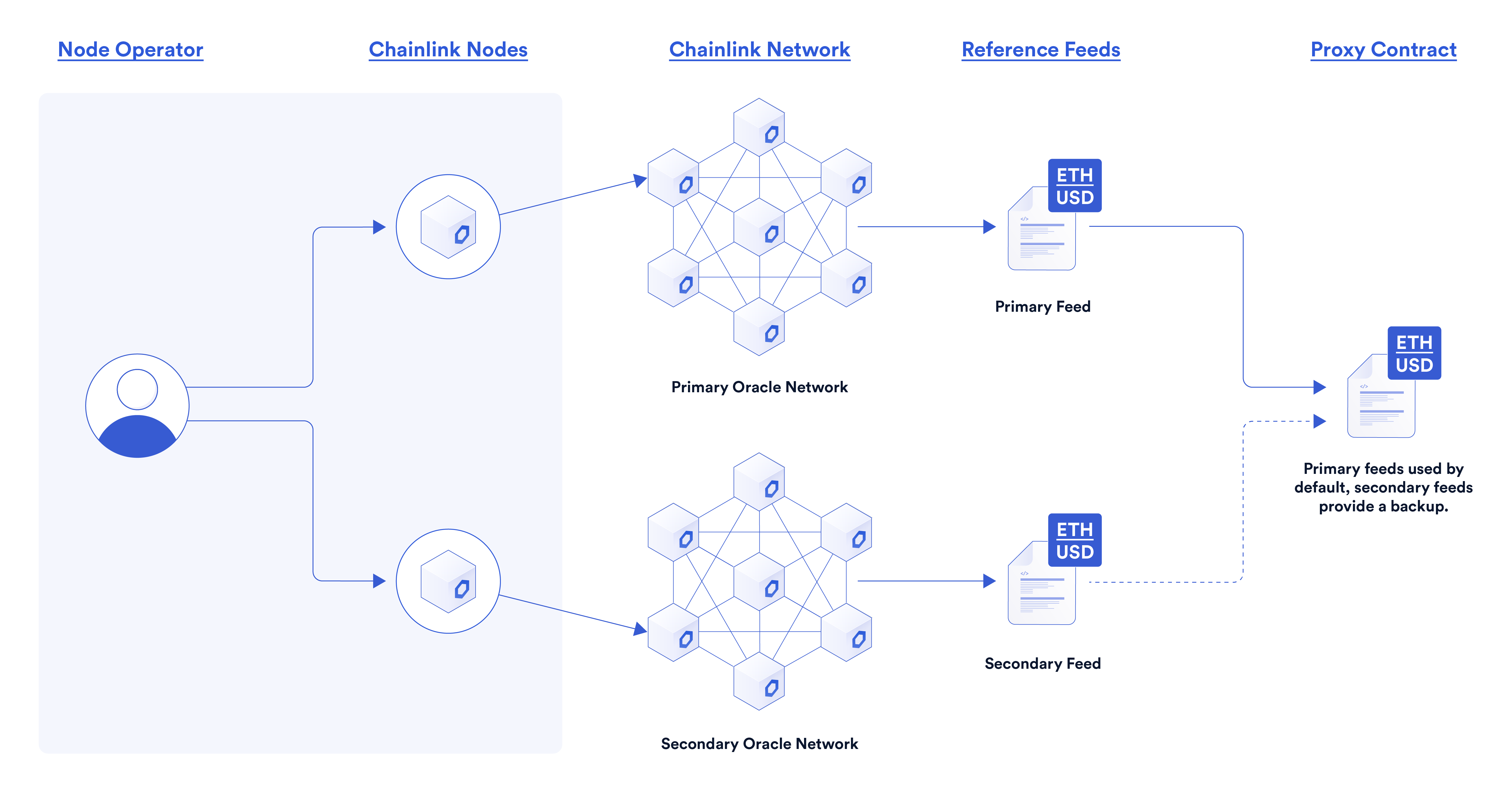
- Multi-Oracle Price Feed Verification: Aggregates data from sources like Chainlink to ensure manipulation-resistant pricing for accurate risk assessment.
- Automated Volatility Circuit Breakers: Smart contract mechanisms that halt operations during extreme volatility to safeguard positions in DeFi prime brokerage.

- Onchain Stress Testing and VaR Simulator: Runs blockchain-based simulations for Value at Risk (VaR) analysis, akin to Galaxy's SeC FiT PrO framework.
Real-Time Portfolio Risk Monitoring Dashboard: Visibility at Velocity
The real-time portfolio risk monitoring dashboard consolidates exposures into an intuitive interface, displaying Value at Risk (VaR), liquidity coverage ratios, and stress metrics instantaneously. Powered by onchain data feeds, it flags anomalies like concentration risks or covenant breaches before they escalate. Unlike siloed DeFi apps, this unified view supports cross-protocol positions, echoing Arkis. xyz's transparent prime brokerage ethos.
Interactive heatmaps and scenario sliders let users simulate drawdowns, informing proactive hedging. For institutional desks, API exports feed into proprietary systems, bridging TradFi risk workflows with DeFi speed. This dashboard proves indispensable as BTC-backed loans and stablecoin lending reshape capital markets, per the London Fintech Podcast.
No comments yet. Be the first to share your thoughts!