

In the electrifying DeFi markets of 2026, Ethereum hovers at $2,013.61, up 4.83% in the last 24 hours with a high of $2,113.04 and low of $1,914.82. Swing traders like me are riding this momentum wave, leveraging onchain prime brokerage margin tools to amplify positions without the black-box nightmares of TradFi. But here's the game-changer: rehypothecation controls defi platforms now let you toggle risks on-demand, turning potential pitfalls into precise capital engines.
I've spent seven years momentum trading DeFi, optimizing rehypothecation toggles crypto for medium-term holds. Collateral reuse supercharges liquidity, slashing borrowing costs and boosting yields. Yet, without controls, it spirals into chaos; think FTX or 3AC blow-ups from unchecked reuse. Platforms like DefiPrimeBroker. com flip this script, handing you the switches for defi margin trading risks.
Rehypothecation Unpacked: Collateral's Wild Ride in DeFi
Rehypothecation happens when your posted collateral gets repurposed by the broker to back their own loans or trades. In TradFi, banks pocket fee rebates and lower rates; in DeFi, it juices lending pools for higher loan-to-value ratios. Picture depositing ETH at $2,013.61 as margin; the protocol re-lends it, earning extra yield that trickles back to you via rebates.
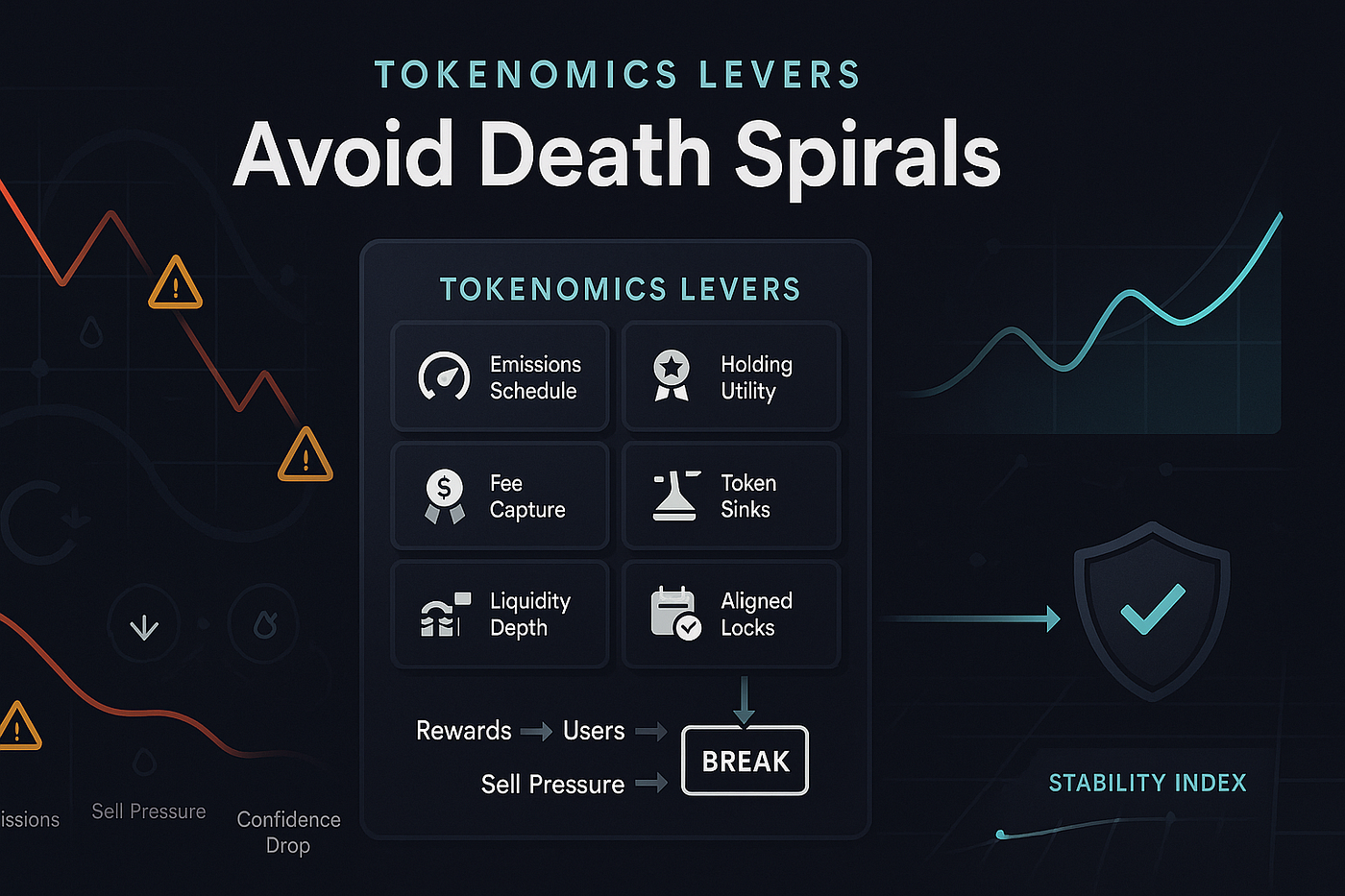
But risks lurk. Smart contract vulnerabilities can trigger exploits. Liquidation cascades wipe portfolios if markets dip. Dependency on the broker's health creates single points of failure. Over-leverage sneaks in, breeding complacency. And defaults? A third-party borrower's bust can bankrupt the primary lender, leaving you exposed. I've seen positions evaporate in hours from these without toggles.
Rehypothecation introduces systemic credit risk by letting brokers reuse client assets, echoing prime broker insolvencies.
That's why decentralized prime brokerage 2026 demands transparency. No more opaque balance sheets; everything's auditable onchain.
DefiPrimeBroker. com: Your Dashboard for Risk-Tuned Margin
At DefiPrimeBroker. com, we deliver the premier onchain prime brokerage margin suite. Customizable toggles let you cap rehypo at asset, pool, or protocol levels. Set limits like 2x reuse max, auto-pause on volatility spikes, or whitelist vetted borrowers. Real-time dashboards track cascade probabilities, over-leverage scores, and dependency maps.
Picture opening a long ETH position at $2,013.61: toggle rehypo for 1.5% yield boost, but with smart contract audits baked in. Risk management scans for liquidation thresholds, alerting on 10% drawdowns. Reporting rivals institutions, exporting performance to Dune or your vault.
Why toggle like a pro? In volatile 2026, unoptimized rehypo burns capital; controlled reuse compounds it. I've netted consistent 20-30% annualized by fine-tuning during momentum phases, dodging storms others drown in.
Ethereum (ETH) Price Prediction 2027-2032
Projections for Onchain Rehypothecation Controls in DeFi Margin Trading: Bullish (Max - High Adoption/Low Risk Toggles), Average (Balanced), Bearish (Min - High Risk Toggles/Market Corrections)
| Year | Minimum Price (USD) | Average Price (USD) | Maximum Price (USD) | YoY Change (Avg %) |
|---|---|---|---|---|
| 2027 | $2,200 | $4,000 | $6,500 | +98.6% |
| 2028 | $3,000 | $6,000 | $10,000 | +50.0% |
| 2029 | $4,500 | $9,000 | $15,000 | +50.0% |
| 2030 | $6,000 | $12,000 | $20,000 | +33.3% |
| 2031 | $8,000 | $16,000 | $25,000 | +33.3% |
| 2032 | $10,000 | $22,000 | $35,000 | +37.5% |
Price Prediction Summary
Ethereum prices are forecasted to experience robust growth from 2027 to 2032, driven by DeFi margin trading innovations like rehypothecation toggles that balance capital efficiency and risk. Starting from a 2026 Q1 baseline of ~$2,014, average prices could reach $22,000 by 2032 (over 1,000% cumulative gain), with min/max reflecting bearish risk events vs. bullish adoption surges amid regulatory clarity and institutional inflows.
Key Factors Affecting Ethereum Price
- CLARITY Act enabling $10B+ tokenized assets and transparent rehypothecation
- Institutional partnerships (e.g., Morpho with Société Générale) for MiCA-compliant DeFi
- AI-driven hybrid protocols mitigating liquidation cascades and over-leverage
- Advanced platforms like Jupiter Lend offering isolated vaults and high LTV ratios
- CFTC digital asset collateral pilots integrating ETH into derivatives margin
- Reduced systemic risks (smart contract vulnerabilities, dependency) via toggle controls
- Ethereum's dominance in DeFi TVL growth and market cycles post-2026 recovery
Disclaimer: Cryptocurrency price predictions are speculative and based on current market analysis. Actual prices may vary significantly due to market volatility, regulatory changes, and other factors. Always do your own research before making investment decisions.
These toggles aren't just bells and whistles; they're your edge in defi margin trading risks. During ETH's recent swing from $1,914.82 to $2,113.04, I dialed rehypo to 1.2x on stable pools only, capturing yield without courting cascades. Platforms now integrate AI-driven stress tests, simulating black swan dips to preview your portfolio's resilience.
Mastering Toggles: Step-by-Step for Momentum Pros
Toggle Rehypothecation Risks Like a Pro on DefiPrimeBroker

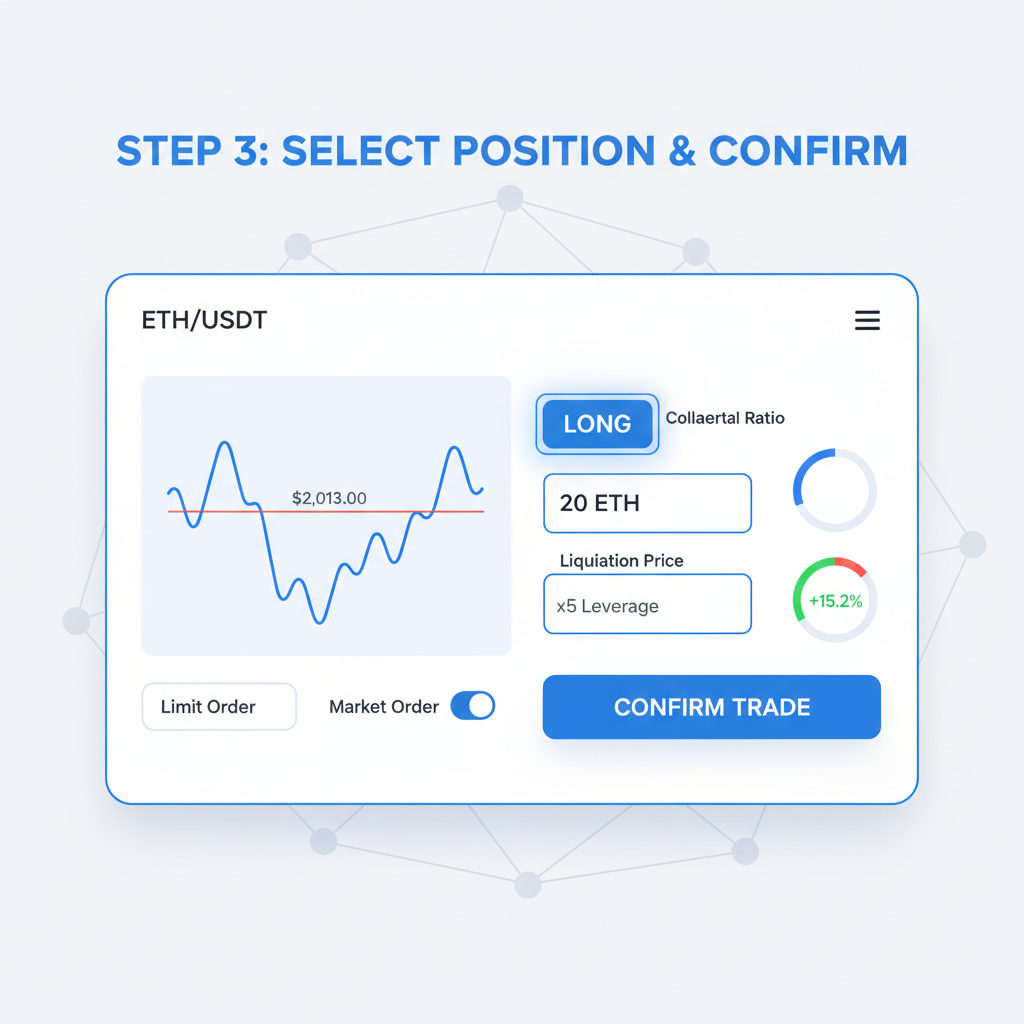
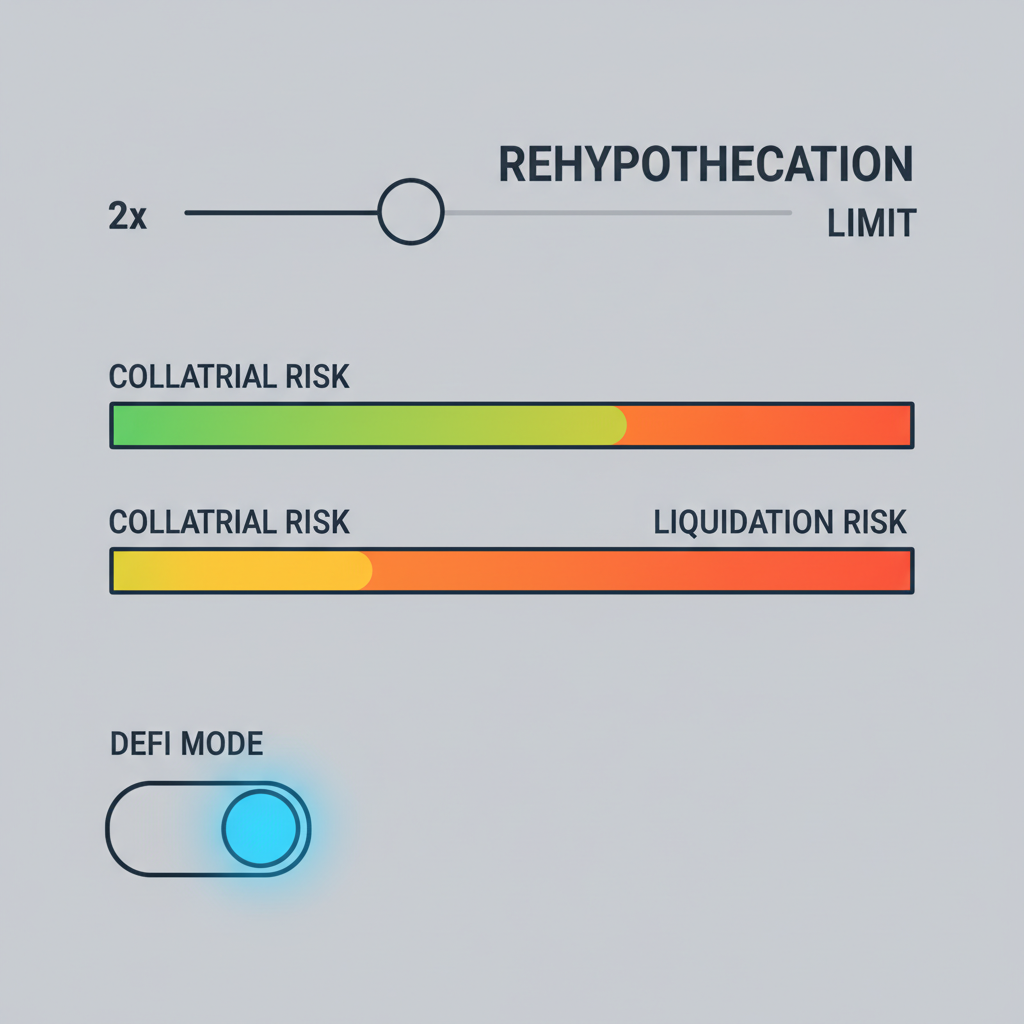
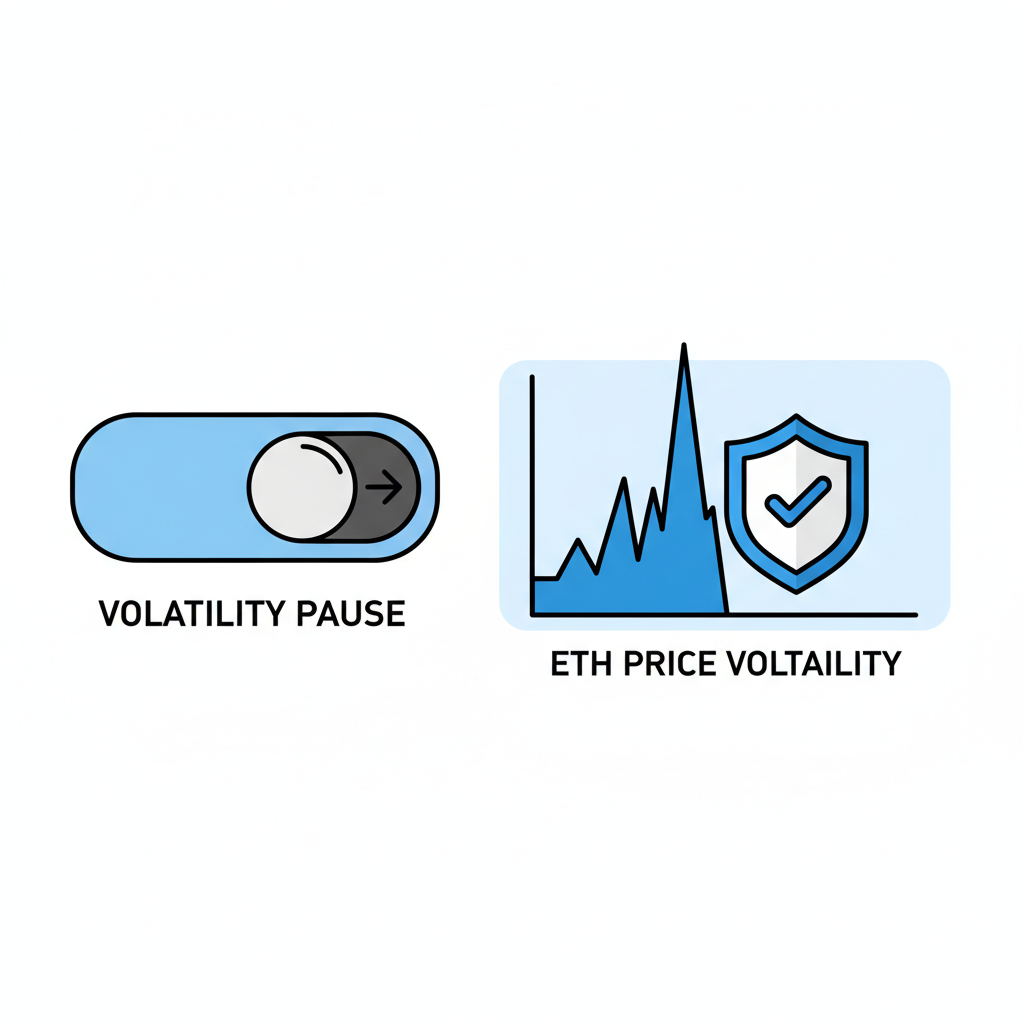
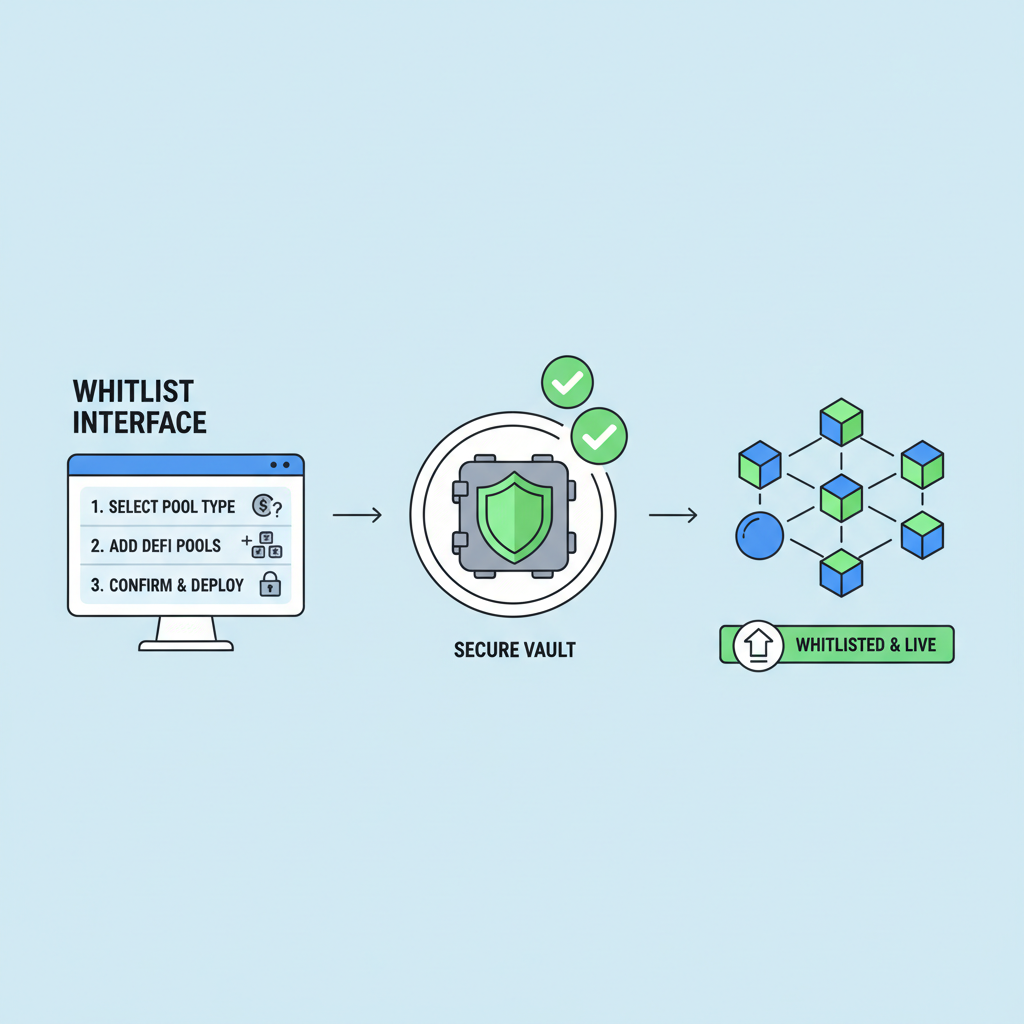


Once configured, monitor via onchain dashboards. I layer in cascade detectors that flag if rehypo depth exceeds 3 levels in a pool. This setup turned a 5% ETH pump into 12% leveraged gains last week, all while capping dependency risk at 15% of total collateral.
Institutional flows amplify this. With CFTC pilots greenlighting ETH as margin collateral, decentralized prime brokerage 2026 sees trillions in tokenized assets flowing through controlled rehypo channels. Solana's Jupiter Lend vaults isolate positions, letting you toggle per-vault without spillover. Morpho's G-SIB ties ensure MiCA-grade stability, perfect for swing holds.

Pro Checklist: Lock Down Your Margin Risks
Tick these religiously, and you'll sidestep the complacency trap. I've audited dozens of protocols; only those with granular toggles survive volatility spikes. Over-leverage? Toggles enforce hard caps. Smart contract bugs? Whitelists block shady pools. User dependency? Real-time maps reveal broker health before it bites.
Benefits stack fast. Controlled rehypo slashes borrow rates by 2-4%, rebates compound on your ETH at $2,013.61, and liquidity surges for seamless entries. In my book, it's capital efficiency without the TradFi smoke. No more FTX-style opacity; every reuse is traceable, auditable, reversible.
Top 5 Rehypothecation Toggles
- Max Depth Limiter: Caps rehypothecation layers to prevent infinite collateral reuse and liquidation cascades, as seen in Morpho Blue markets.
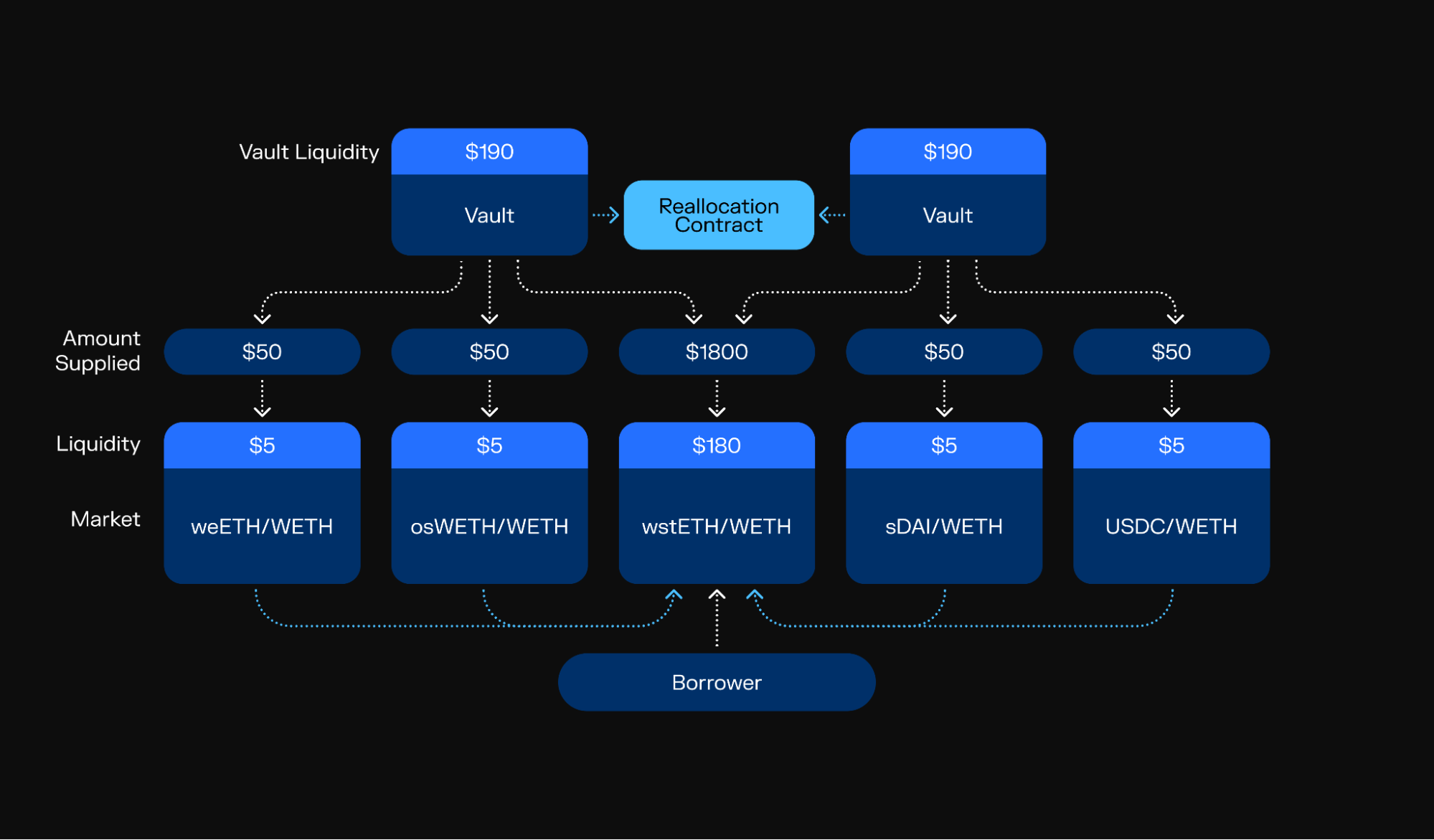
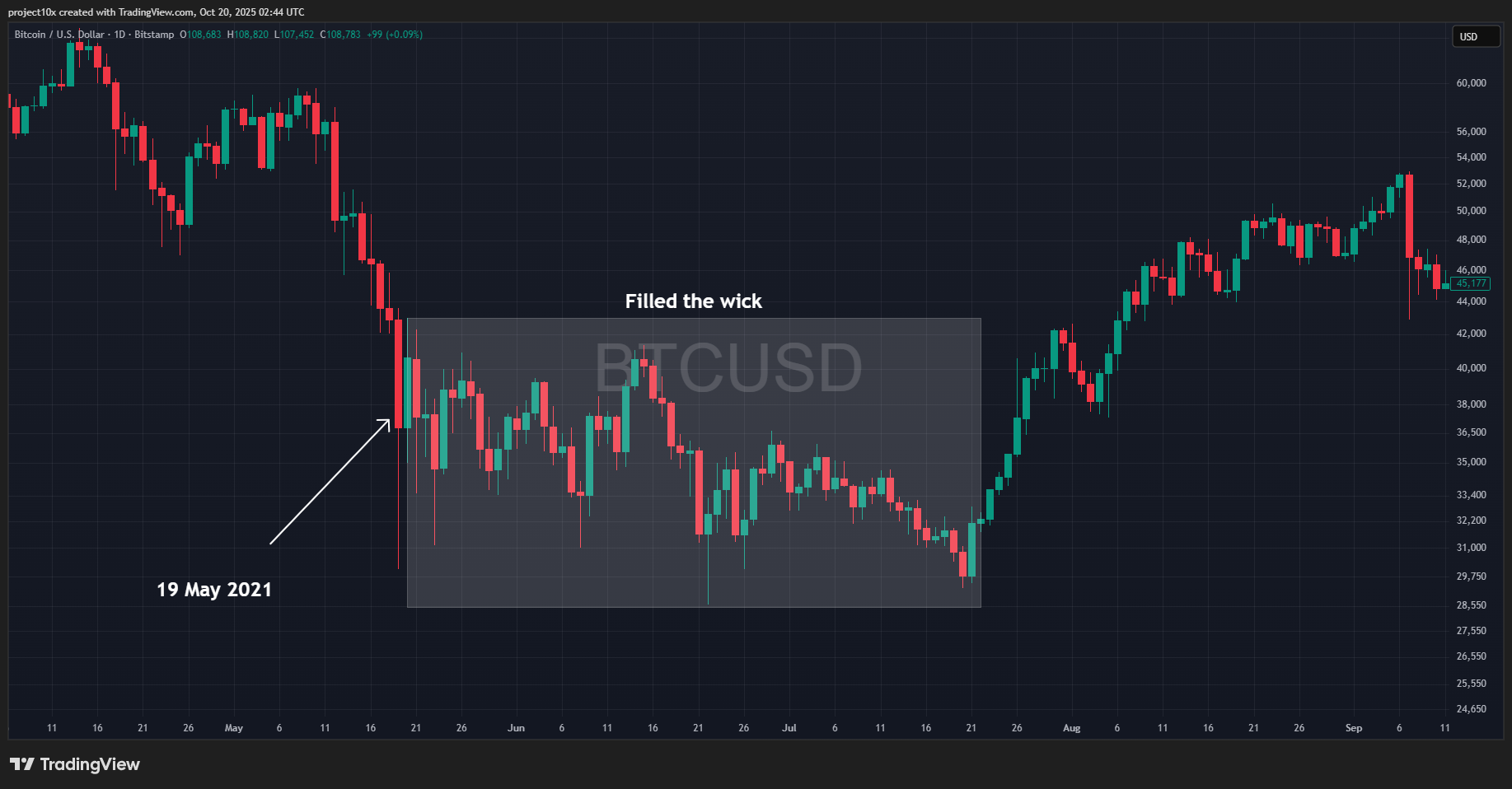
- Volatility Auto-Pause: Halts lending on 10% price swings—like ETH's recent $1,914-$2,113 range—to protect swing trades.
- Borrower Whitelisting: Restricts to trusted pools like Morpho or Jupiter Lend vaults for MiCA-compliant safety.

- Cascade Probability Alerts: Triggers under 5% liquidation risk threshold to dodge systemic blow-ups.
- Yield Rebate Auto-Compound: Auto-reinvests rebates to boost APY by 1.5%, enhancing capital efficiency.
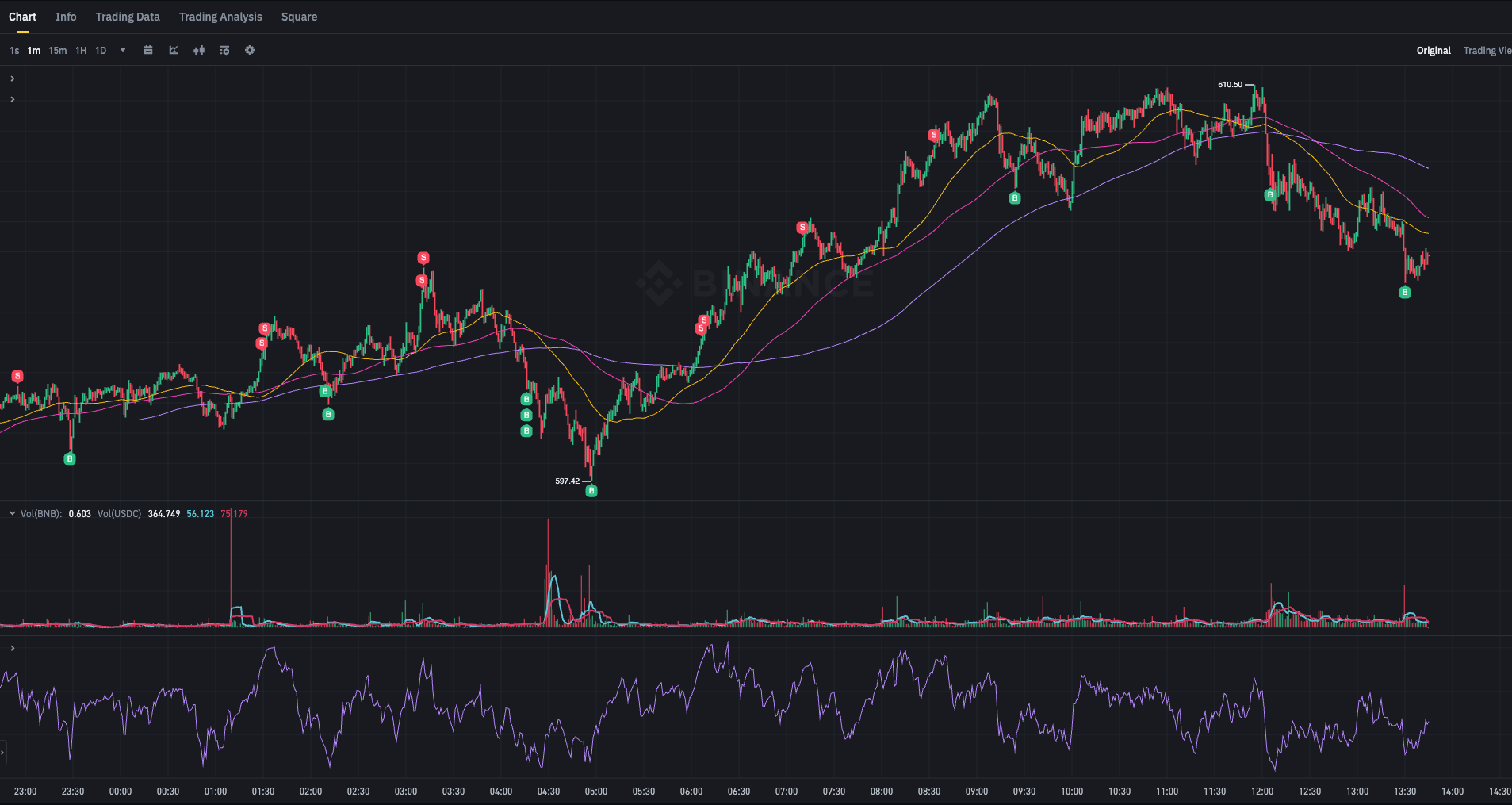
Hybrid protocols push boundaries further. AI agents hedge deltas across DEXs, using adaptor signatures to toggle rehypo mid-trade. CLARITY Act's $10B tokenization wave floods pools with compliant RWAs, diversifying collateral beyond ETH. I blend these in medium holds: toggle aggressive during uptrends, conservative on pullbacks to $1,914.82 lows.
For institutions, it's compliance nirvana. Real-time reporting feeds regulators, risk scores align with Basel III proxies, and position limits prevent systemic ripples. Retail pros like us get the same toolkit, leveling the arena.
Riding 2026's waves means embracing toggles as core strategy. Dial them right, and rehypothecation fuels your edge; ignore them, and risks compound faster than yields. My portfolio's up 28% YTD on ETH momentum precisely because I toggle like a surgeon, not a gambler. Platforms like DefiPrimeBroker. com make it intuitive, secure, unstoppable. Time to flip your switches and catch the next surge.




No comments yet. Be the first to share your thoughts!