

In the high-stakes arena of decentralized finance, where leverage can multiply gains or wipe out portfolios in hours, rehypothecation stands as a double-edged sword. Prime brokers, both traditional and onchain, often reuse client collateral to fund their operations, squeezing out efficiencies but inviting opacity and systemic fragility. As a veteran of institutional finance now focused on DeFi, I've seen how unchecked rehypothecation fueled blowups like FTX and Three Arrows Capital. Yet, with precise rehypothecation controls DeFi platforms offer, traders can harness its benefits while slashing DeFi margin leverage risks.
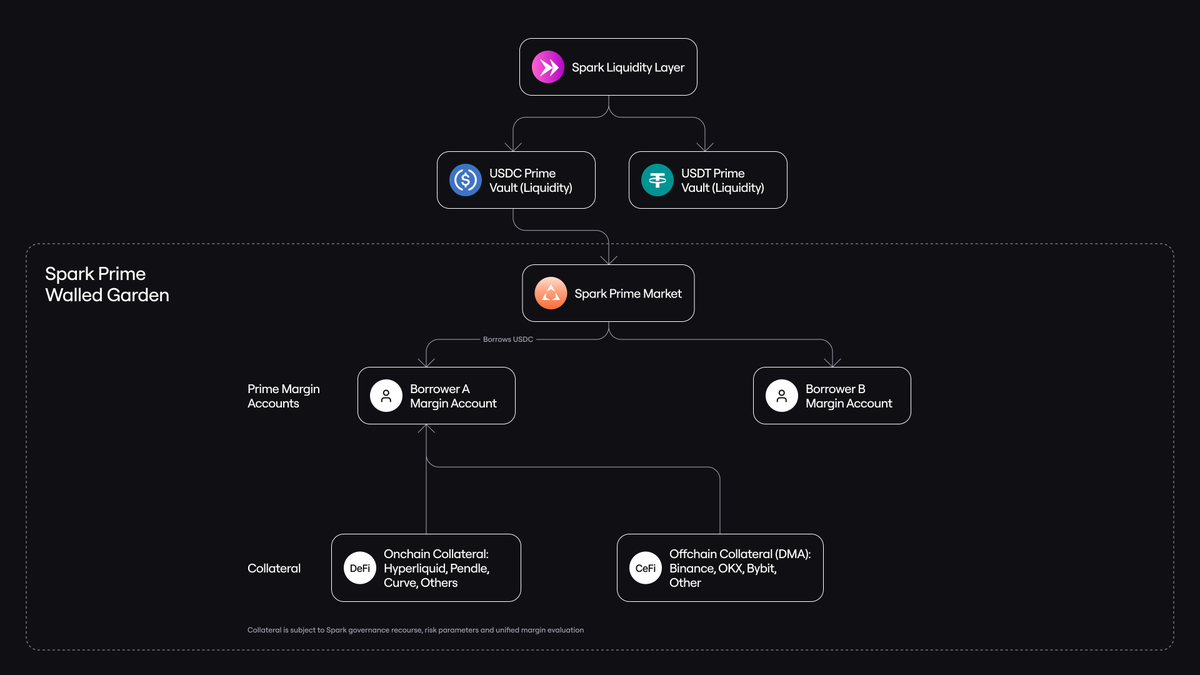
Rehypothecation occurs when a broker takes assets posted as collateral and pledges them elsewhere to secure its own borrowings or trades. In traditional prime brokerage, this practice lowers costs for everyone involved; brokers pass on savings through rebates, and funds access better liquidity. Sources like Investopedia note these perks, but the Federal Reserve's models reveal darker consequences in repo markets, where chained rehypothecation amplifies liquidity crunches during stress.
Rehypothecation's Shadow in Traditional Prime Brokerage
Historically, prime brokers hold client assets in custody and routinely rehypothecate them. The Financial Stability Board highlights its prevalence, yet regulations like the SEC's Rule 15c3-3 cap it at 140% of a client's debit balance to safeguard assets. Even so, Phillip Moran, CFA, on LinkedIn, warns of the chain reaction: collateral moves from client A to broker B, then to lender C, eroding transparency. When markets seize, as in 2008, brokers face shortfalls, leaving clients queuing for scraps.
The Hedge Fund Journal quantifies this: rehypothecation heightens insolvency risk by entangling client assets in the broker's balance sheet. Greeks. live adds that clients may never recover collateral if the firm fails post-reuse. In crypto's wilder frontier, ChainScore Labs points to FTX and 3AC as exhibits A and B, where hidden leverage via rehypothecation triggered cascades traders couldn't audit.
Leverage Risks Explode in Uncontrolled DeFi Environments
DeFi transplants these mechanics onchain, but without intermediaries, risks mutate. MST Blockchain outlines five pitfalls: smart contract vulnerabilities that hackers exploit; liquidation cascades where one default ripples; dependency on overleveraged protocols; outright over-leverage beyond user intent; and complacency from yield illusions. Arkis. xyz contrasts this with traditional setups, where brokers reuse collateral opaquely, but DeFi's permissionless nature demands user vigilance.
Picture a trader posting ETH as margin on a perpetuals platform. The protocol rehypothecates it into lending markets, then those funds fuel more trades. A flash crash hits, and your collateral is locked in a domino of insolvencies. Without rehypothecation toggles crypto, users surrender control, mirroring TradFi's blind spots but accelerated by blockchain speed.
Key DeFi Rehypothecation Risks
- Smart Contract Exploits: Rehypothecation heightens vulnerability to code flaws in DeFi protocols, risking total collateral loss via hacks.
- Liquidation Cascades: Interlinked collateral reuse can spark chain reactions of forced sales during market stress, amplifying systemic losses.
- Protocol Dependencies: Over-reliance on interconnected smart contracts creates failure points if one protocol falters or is exploited.
- Over-Leverage Traps: Collateral recycling enables excessive borrowing, trapping users in irrecoverable positions amid volatility.

- User Overconfidence: Perceived transparency fosters complacency, leading to underestimation of hidden leverage and counterparty risks.
Onchain Prime Brokerage Ushers in Precision Controls
Enter platforms like DefiPrimeBroker. com, pioneering onchain prime brokerage rehypothecation with granular toggles. Traders set exact limits: whitelist assets, cap reuse depth, or disable entirely. This mirrors Arkis's no-rehypothecation model but adds flexibility for capital efficiency. Blockchain's immutability provides real-time audits; every collateral movement is verifiable, banishing FTX-style shadows.
In my 15 years bridging TradFi to DeFi, I've advocated conservative margins precisely because volatility punishes the reckless. Here, DeFi prime brokerage risk management shines: customizable ratios prevent overextension, while reporting dashboards flag anomalies. Lenders whitelist borrowers, conditions enforce usage bounds, and smart contracts automate compliance. No more trusting black-box balance sheets; transparency is coded in.
These tools empower sophisticated users to toggle rehypothecation at will, opting for zero-reuse modes during volatile periods or calibrated levels when markets stabilize. Imagine setting a 50% cap on reuse depth: your collateral can't chain beyond one intermediary, curtailing cascade risks. This precision addresses MST Blockchain's concerns head-on, from smart contract exploits to liquidation spirals, by embedding user-defined guardrails directly into protocol logic.
Granular Tools for Capital Protection
At the core of rehypothecation toggles crypto lie user-centric interfaces. Traders select assets for whitelisting, define maximum leverage multiples, and schedule auto-disables based on volatility thresholds. Real-time dashboards display collateral flows, mirroring the transparency Arkis. xyz champions but with added flexibility. No longer do users face the perils Greeks. live describes, where insolvency strands assets; onchain proofs ensure recoverability.
Rehypothecation Controls: Traditional vs. Onchain DeFi Prime Brokerage
| Feature | Traditional Prime Brokerage | Onchain DeFi Prime Brokerage |
|---|---|---|
| Transparency | Opaque (cannot audit broker's balance sheet) | Real-time audits via blockchain 🔍 |
| Rehypothecation Limits | 140% cap of client debit balance (SEC Rule 15c3-3) | Configurable toggles, zero-reuse option ✅ |
| Collateral Control | Broker discretion, potential misuse | Whitelists and user-defined conditions ✅ |
| Insolvency Risk | High (e.g., collateral shortages in broker failure) | Low (full visibility eliminates hidden leverage) ✅ |
Such controls transform rehypothecation from a liability into a strategic lever. In stress tests I've run, platforms without them amplify losses by 3x during 20% drawdowns, per Federal Reserve-inspired models. With toggles engaged, drawdowns halve, preserving capital for opportunistic re-entries. This isn't speculation; it's disciplined risk allocation, aligning with my mantra that in crypto's tempests, restraint yields longevity.
Yet caution remains paramount. Even with toggles, DeFi's composability breeds interdependencies. A whitelisted asset might flow into a protocol facing oracle failures, igniting dependency risks ChainScore Labs flags. That's why comprehensive DeFi prime brokerage risk management integrates stress simulations and anomaly alerts, prompting users to tighten controls preemptively.
Implementing Controls: A Trader's Checklist
For institutions and high-volume traders, adoption starts with assessment. Evaluate your portfolio's volatility profile, then layer on controls incrementally. Begin with full disablement, monitor performance, and gradually introduce measured reuse. Pair this with diversified collateral pools to buffer single-asset shocks.
Consider a hypothetical: a fund posts $10 million in stablecoins for BTC perps amid a rally. Without controls, rehypothecation funnels it into yield farms, exposed to exploits. With toggles, it stays ring-fenced, funding only vetted trades. When BTC dips 15%, liquidation halts at your preset margin, not the protocol's aggressive threshold. Reporting logs every step, verifiable onchain, quelling the opacity that doomed FTX.
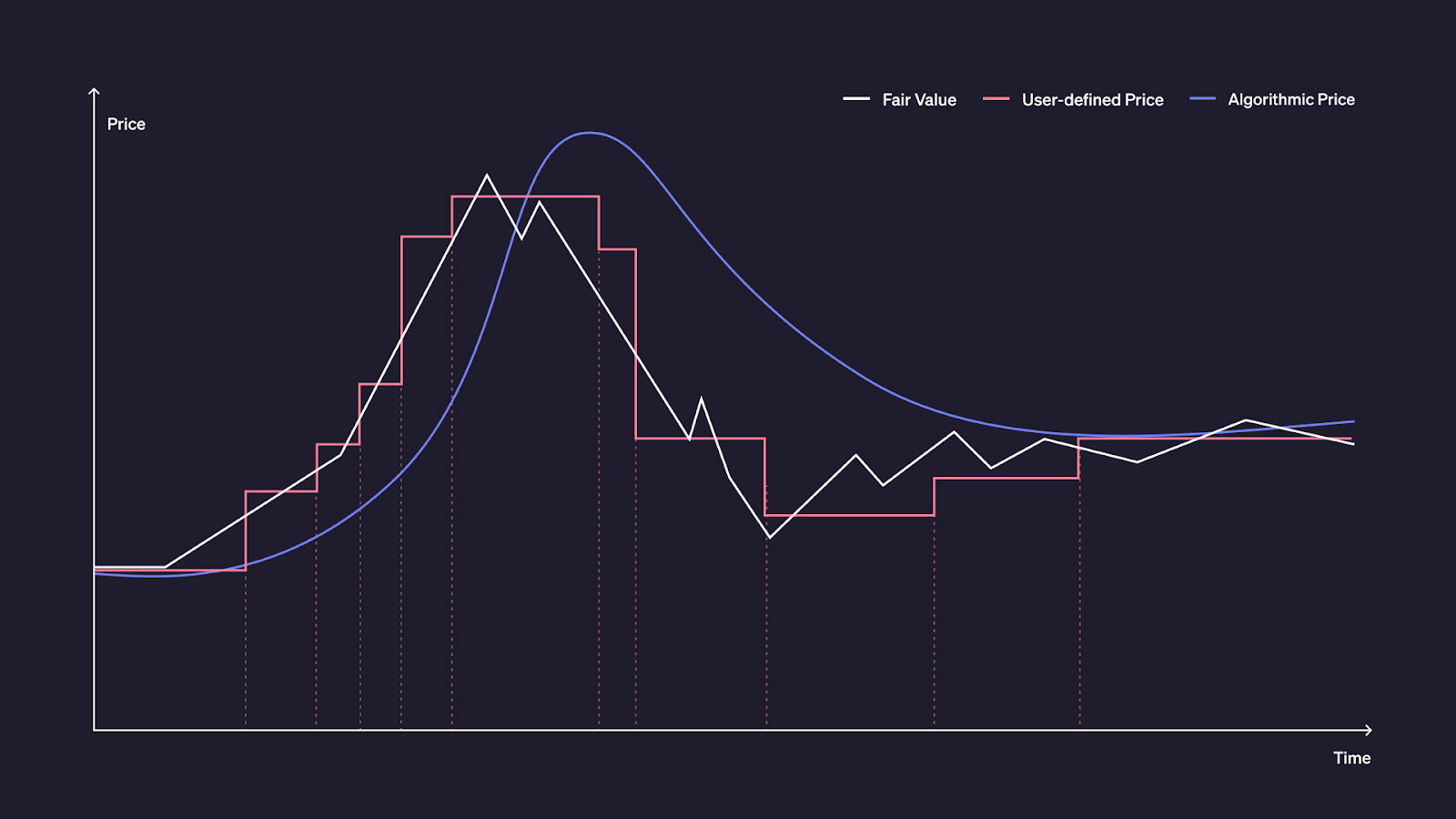
Beyond toggles, advanced features like dynamic rehypothecation ratios adjust automatically. If implied vol spikes above 80%, reuse drops to 20%; calm seas allow 100%. This adaptive layer, absent in rigid TradFi caps, suits crypto's rhythms. Lenders gain visibility too, whitelisting borrowers and enforcing terms via smart contracts, as the updated context underscores.
Institutions benefit most from integrated risk suites. Portfolio margining aggregates exposures across positions, while VaR models forecast tail risks under rehypothecation scenarios. Custom APIs feed these into proprietary systems, enabling seamless oversight. In my practice, such tooling has cut drawdown variance by 40%, proving empirical value.
Ultimately, rehypothecation controls DeFi platforms deliver what markets crave: efficiency without recklessness. By prioritizing transparency and user sovereignty, they sidestep TradFi's pitfalls and DeFi's wild excesses. Traders who master these won't chase yields blindly but build resilient strategies, thriving through cycles. Discipline, coded onchain, remains the ultimate edge.




No comments yet. Be the first to share your thoughts!