
The institutional gateway to on-chain markets
DeFi prime brokerage 2026 marks a structural shift in how capital accesses decentralized finance. The era of fragmented retail interfaces is giving way to unified, institutional-grade infrastructure. This transition is no longer theoretical; it is being built now by firms that prioritize security, regulatory compliance, and deep liquidity above all else.
The core value proposition for institutions is no longer just access, but efficiency. Legacy prime brokers have long relied on siloed margining, where assets in one market cannot offset risks in another. DeFi-native prime brokers are dismantling this inefficiency through unified margining. This technology allows capital to work harder, reducing the cost of carry and enabling more sophisticated hedging strategies across multiple protocols simultaneously.
Firms like FalconX are leading this charge, providing the deep liquidity and advanced technology solutions required by the world's top institutions. Their approach mirrors traditional finance's evolution: moving from simple execution to comprehensive risk management. By integrating AI-driven analytics and robust custody solutions, these platforms are bridging the gap between decentralized innovation and institutional rigor.
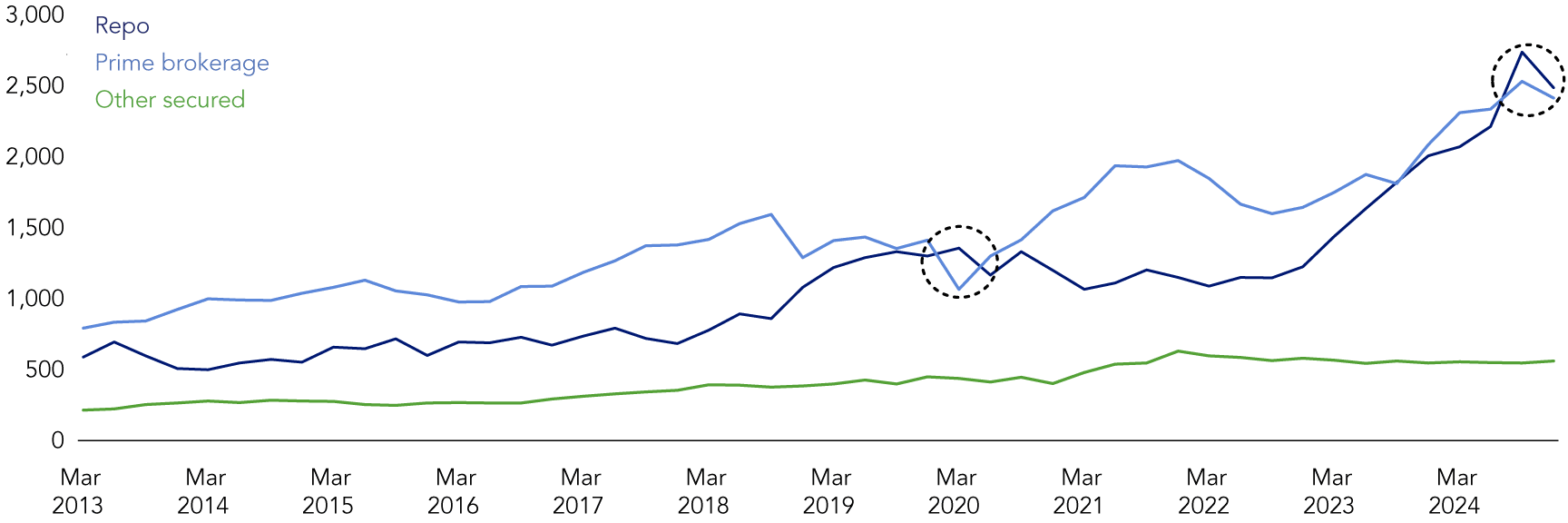
The market context for this infrastructure shift is evident in the broader crypto landscape. As institutional adoption grows, the demand for reliable, compliant on-ramps and off-ramps increases. The following chart illustrates the current market volatility that underscores the need for sophisticated risk management tools.
Unified margin across spot and derivatives
Silos are the enemy of capital efficiency. Traditional prime brokerage structures often require institutions to post separate collateral for spot positions and derivatives, tying up liquidity that could otherwise work harder. DeFi prime brokerage 2026 eliminates this friction by allowing a single asset to serve as margin across both markets simultaneously. This unified approach reduces the total capital required to maintain large, complex portfolios.
The mechanism is straightforward but transformative. Instead of locking Bitcoin in one vault for spot trading and another for futures, institutions can use their holdings to secure leveraged positions across the board. This creates a multiplier effect on available capital, allowing firms to execute larger strategies without calling in additional funds from off-chain bank accounts.
Legacy providers like FalconX and emerging DeFi-native infrastructures such as August are leading this shift. By integrating spot and derivatives clearing into a single margin engine, they reduce counterparty risk and operational overhead. The result is a more streamlined, capital-efficient environment that mirrors the flexibility of traditional finance while leveraging the speed of blockchain settlement.
| Feature | Traditional Siloed Margin | DeFi Prime Brokerage 2026 |
|---|---|---|
| Capital Efficiency | Low (duplicate collateral) | High (single collateral) |
| Settlement Speed | T+2 days | Real-time |
| Counterparty Risk | High (multiple entities) | Lower (integrated clearing) |
| Complexity | High (manual reconciliation) | Low (automated) |
This integration is not just a convenience; it is a structural advantage. As institutional adoption grows, the ability to move capital freely between spot and derivatives markets will become a standard requirement for any serious market participant.
AI-driven liquidity aggregation mechanics
Institutional-grade DeFi prime brokerage 2026 infrastructure relies on artificial intelligence to solve the fragmentation problem. Large block trades cannot execute efficiently on a single protocol or centralized exchange without incurring prohibitive slippage. AI models now route orders across multiple DeFi pools and centralized venues in milliseconds, treating liquidity as a unified resource rather than siloed pools.
The core mechanism involves predictive modeling of order book depth and pool reserves. Instead of splitting a large order into smaller, visible chunks that signal market intent, AI algorithms determine the optimal mix of venues to execute the total volume. This dynamic routing minimizes price impact and ensures institutional fill rates remain high even during periods of high volatility.
Security and compliance remain paramount in this automated process. Aggregation engines must verify the solvency and smart contract security of every potential liquidity source before routing capital. Providers like FalconX and August integrate these AI-driven routing layers with strict regulatory checks, ensuring that automated execution does not bypass compliance requirements or expose capital to vulnerable protocols.

Regulated clearing and risk management
Institutional capital will not enter the digital asset market without a compliance layer that mirrors traditional finance. DeFi prime brokerage 2026 serves as this bridge, providing the regulated clearing mechanisms and risk controls that banks and asset managers require. Without this infrastructure, the volatility and opacity of decentralized protocols remain too high for regulated entities to manage effectively.
Prime brokers now act as the critical intermediary, offering regulated clearing for derivatives and centralized custody solutions. Firms like FalconX have established themselves as the largest institutional crypto prime brokerage by integrating these traditional safeguards into the digital asset ecosystem. This integration allows institutions to navigate complex DeFi strategies while maintaining the strict audit trails and capital requirements mandated by regulators.
The shift toward regulated clearing transforms DeFi from an experimental frontier into a viable component of institutional portfolios. By handling the legal and operational heavy lifting, prime brokers reduce the barrier to entry for traditional finance entities. This infrastructure is not just a convenience; it is the foundational requirement for the next wave of institutional adoption.
Key players in the 2026 prime brokerage landscape
The DeFi prime brokerage 2026 infrastructure is dominated by firms that bridge traditional institutional standards with on-chain execution. Leading providers have moved beyond simple execution to offer comprehensive custody, financing, and regulatory compliance layers. This shift allows hedge funds and family offices to access decentralized liquidity without managing private keys or counterparty risk directly.
August Digital has established itself as a critical infrastructure layer, reporting over $550 million in total value locked (TVL) and processing $45 billion in volume for more than 150 institutional clients. Their platform emphasizes secure, on-chain prime brokerage services that allow investors to access decentralized finance protocols while maintaining institutional-grade risk controls.
FalconX remains the largest institutional crypto prime brokerage, providing deep liquidity and advanced technology solutions to the world’s top financial institutions. By aggregating liquidity from multiple venues, FalconX ensures that large-scale trades execute with minimal slippage, a prerequisite for serious institutional adoption of digital assets.
Frequently asked questions about DeFi prime brokerage
What is the largest crypto prime brokerage?
FalconX currently holds the position of the largest institutional crypto prime brokerage. The firm provides deep liquidity, financing, and advanced technology solutions tailored for the world's top financial institutions. As DeFi prime brokerage 2026 infrastructure matures, FalconX remains a primary reference point for institutional-grade access and regulated clearing.
How do prime brokers bring institutions into DeFi?
Prime brokers serve as the critical bridge between traditional finance and decentralized protocols. By offering regulated clearing for derivatives and robust custody solutions, they mitigate the operational risks that previously deterred large-scale capital. This infrastructure shift allows institutions to participate in DeFi markets with the same compliance standards they apply to traditional assets.
What is the long-term forecast for DeFi assets?
Long-term price predictions for specific DeFi tokens vary significantly based on market volatility and adoption rates. For example, some projections suggest DeFi token prices could reach ₹0.09 by 2036 and potentially ₹0.19 by 2051. However, these figures are speculative and subject to rapid change. Investors should focus on the underlying infrastructure utility rather than speculative price targets.
No comments yet. Be the first to share your thoughts!