
Defining the RWA prime brokerage model
Traditional prime brokerage functions as the central nervous system for hedge funds, bundling leveraged trade execution, securities lending, and cash management into a single service layer. In this established model, the prime broker acts as the primary counterparty, managing margin requirements and providing the credit lines necessary for complex strategies. The infrastructure is built on fiat liquidity and regulated securities, creating a familiar risk framework for institutional capital.
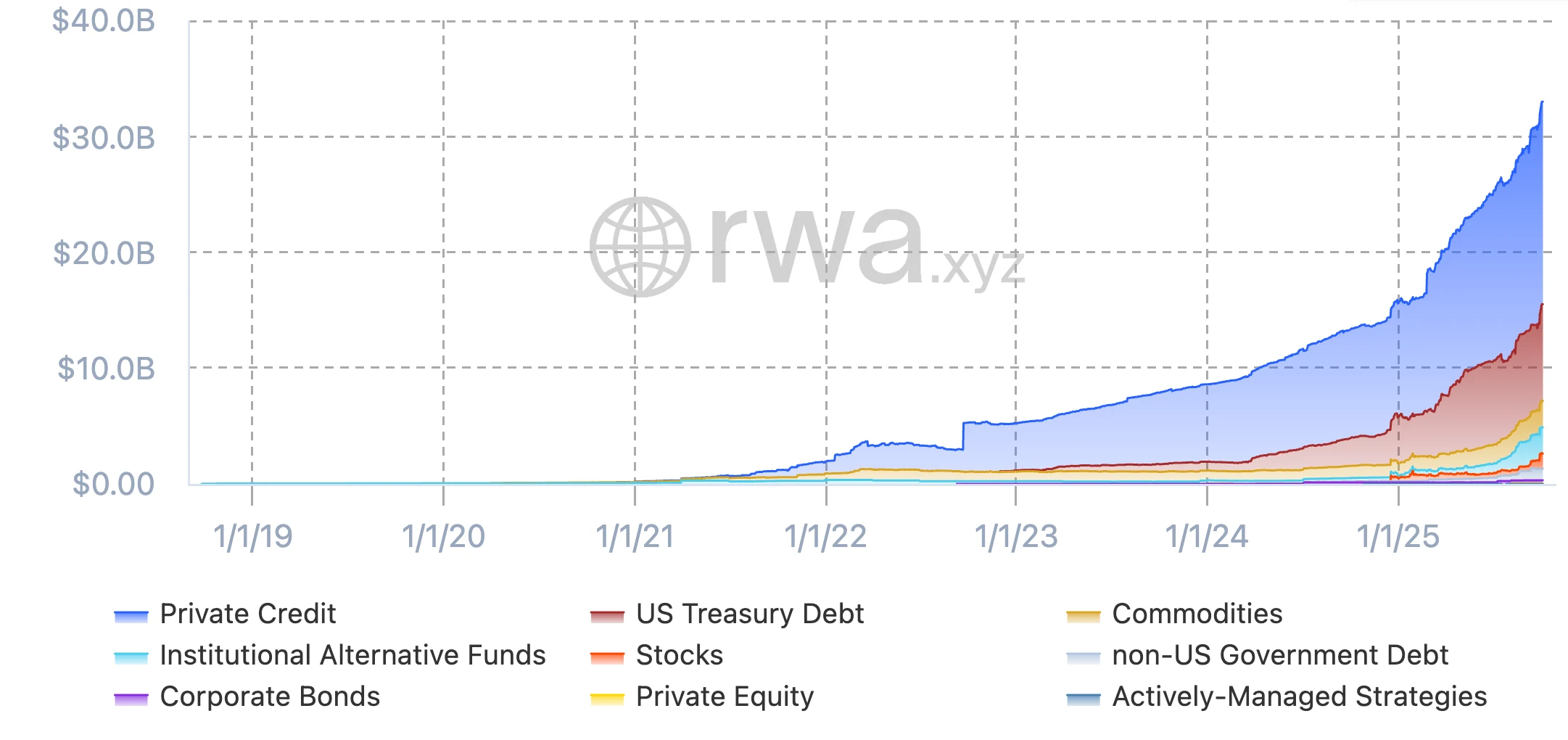
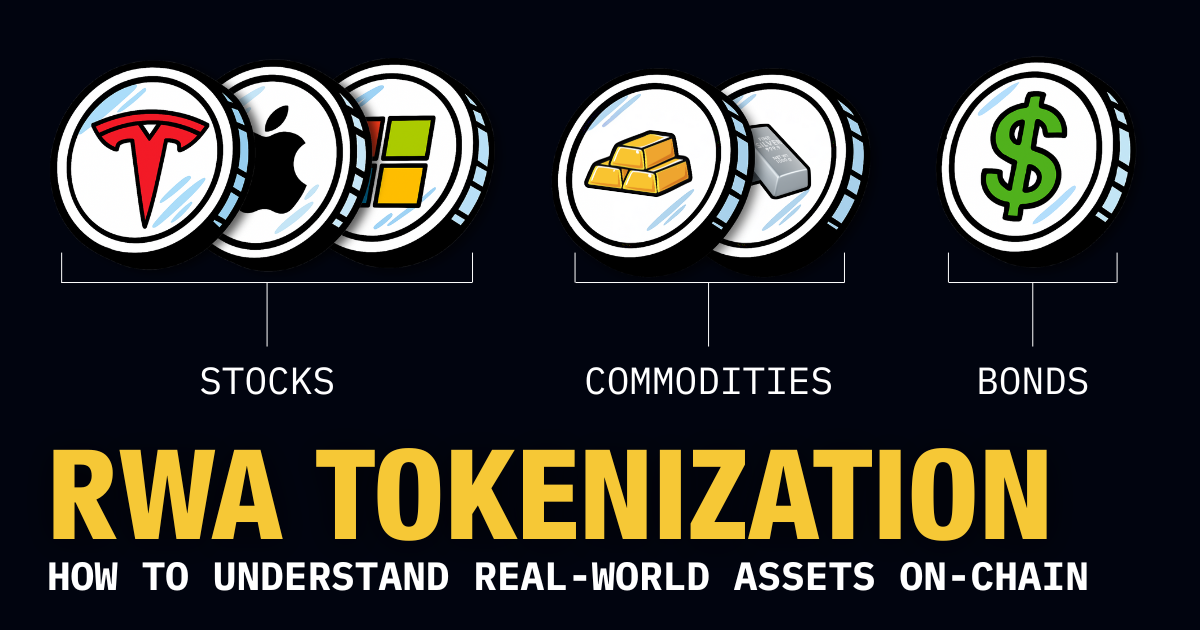
RWA prime brokerage shifts this foundation by integrating tokenized real-world assets, such as treasury bills and private credit, directly into the margin framework. Instead of relying solely on cash or traditional collateral, institutions can now use on-chain representations of these assets to secure positions. This integration allows for faster settlement and increased capital efficiency, as tokenized assets can move and be pledged as collateral without the delays inherent in traditional clearinghouses.
The distinction lies in the asset class and the settlement layer. While traditional prime brokerage settles in T+1 or T+2 cycles using fiat and registered securities, RWA prime brokerage operates on blockchain rails. This enables near-instantaneous margin calls and collateral swaps. The prime broker now manages a hybrid ledger, balancing off-chain regulatory compliance with on-chain liquidity flows.
This model does not replace traditional prime brokerage but extends it. Institutions can now access the liquidity of tokenized treasuries while maintaining the leverage and execution services they require. The result is a more flexible balance sheet, where assets are not just held but actively utilized as working capital within the prime brokerage relationship.
Margin and leverage on tokenized treasuries
Institutional prime brokerage has long relied on cash and high-grade securities as the foundation for leverage. By tokenizing treasury bills, RWA prime brokers are introducing a more efficient collateral layer that reduces friction and capital drag. This shift allows hedge funds and asset managers to deploy the same underlying value with greater velocity.
Tokenized treasuries function as on-chain cash equivalents. Unlike traditional cash collateral, which sits idle in bank accounts, these assets can be deployed across multiple liquidity pools simultaneously. This "collateral reuse" or rehypothecation capability is central to the value proposition, effectively multiplying the utility of the institution's balance sheet without increasing gross exposure.
The efficiency gains are most visible when comparing margin requirements. Traditional prime brokerage often demands significant haircuts and manual reconciliation for cross-asset collateral. Tokenized models automate this through smart contracts, lowering operational overhead and allowing for tighter, more dynamic margin calls. The result is a leaner, more responsive funding mechanism that aligns with the speed of modern markets.
| Feature | Traditional Prime Brokerage | RWA Prime Brokerage |
|---|---|---|
| Collateral Type | Cash & Physical Bonds | Tokenized Treasury Bills |
| Settlement Speed | T+1 or T+2 | Near-instant (24/7) |
| Margin Haircuts | Static, Manual | Dynamic, Automated |
| Rehypothecation | Limited, OTC | Programmable, On-chain |
| Operational Cost | High (Reconciliation) | Low (Smart Contracts) |
For institutions, this means less capital is tied up in low-yielding cash reserves. Instead, tokenized treasuries serve as high-quality collateral that can be leveraged to finance other strategies, from equity long-short to crypto market making. This bridge between traditional finance and digital liquidity is redefining how prime brokers manage risk and return.
Rehypothecation Controls and Risk Management
Institutional adoption of real-world assets hinges on trust, and trust is built on transparency. Prime brokerage for RWAs requires precise controls over rehypothecation—the practice of reusing collateral to finance other transactions. Without strict oversight, the chain of custody can become opaque, exposing lenders to counterparty risk and regulatory scrutiny.
On-chain rehypothecation controls act as the guardrails for this process. Smart contracts enforce strict limits on how often and to whom collateral can be repledged. This ensures that while liquidity is maximized, the underlying asset remains traceable back to its original owner. The result is a system where efficiency does not come at the cost of compliance.
Transparency layers allow institutions to audit the entire lifecycle of their collateral in real time. Unlike traditional finance, where visibility often ends at the first tier of intermediaries, on-chain ledgers provide an immutable record of every pledge and release. This level of detail is essential for managing balance sheet risks and meeting the rigorous reporting standards of global regulators.
Cross-chain prime services and liquidity
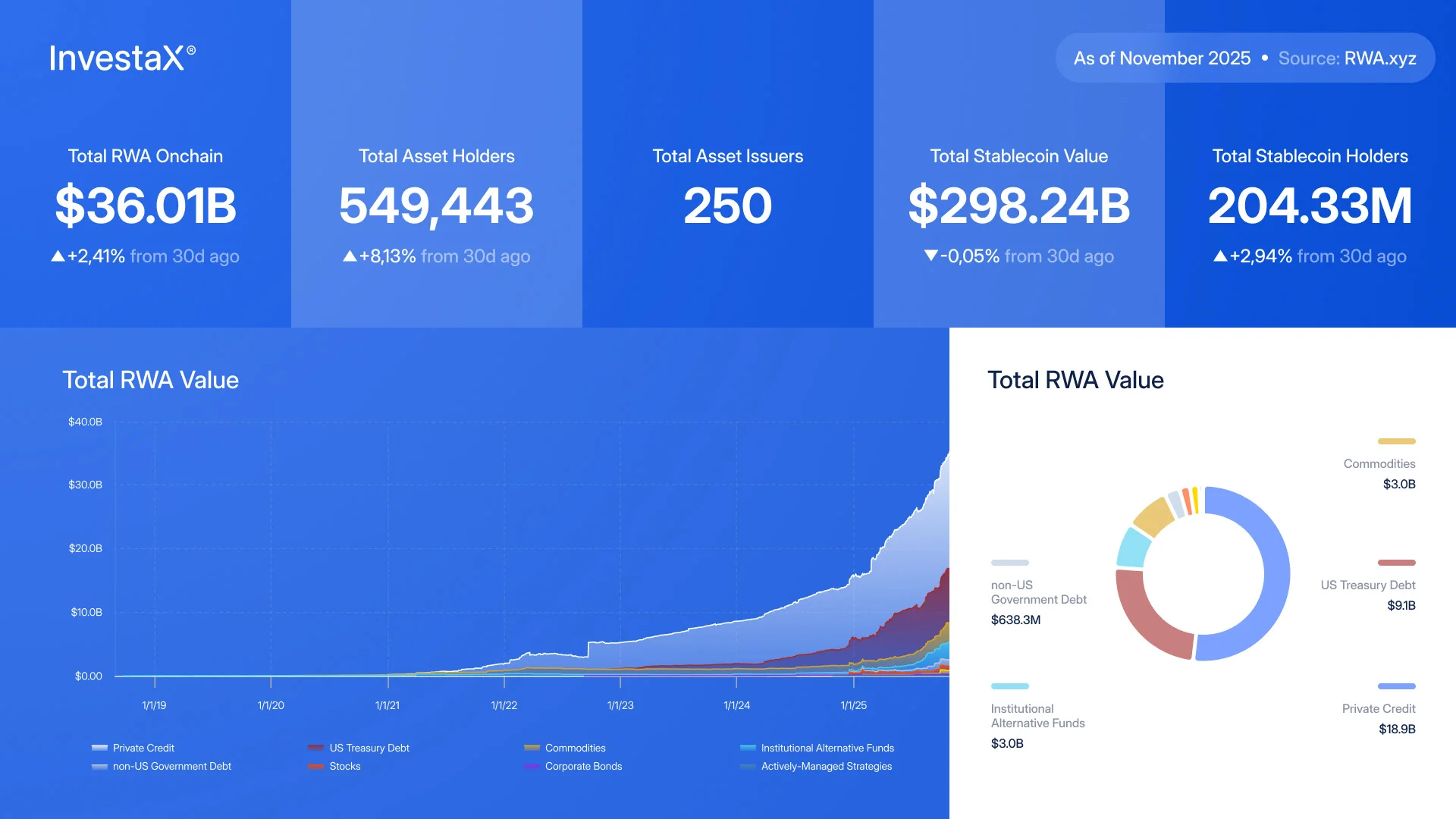
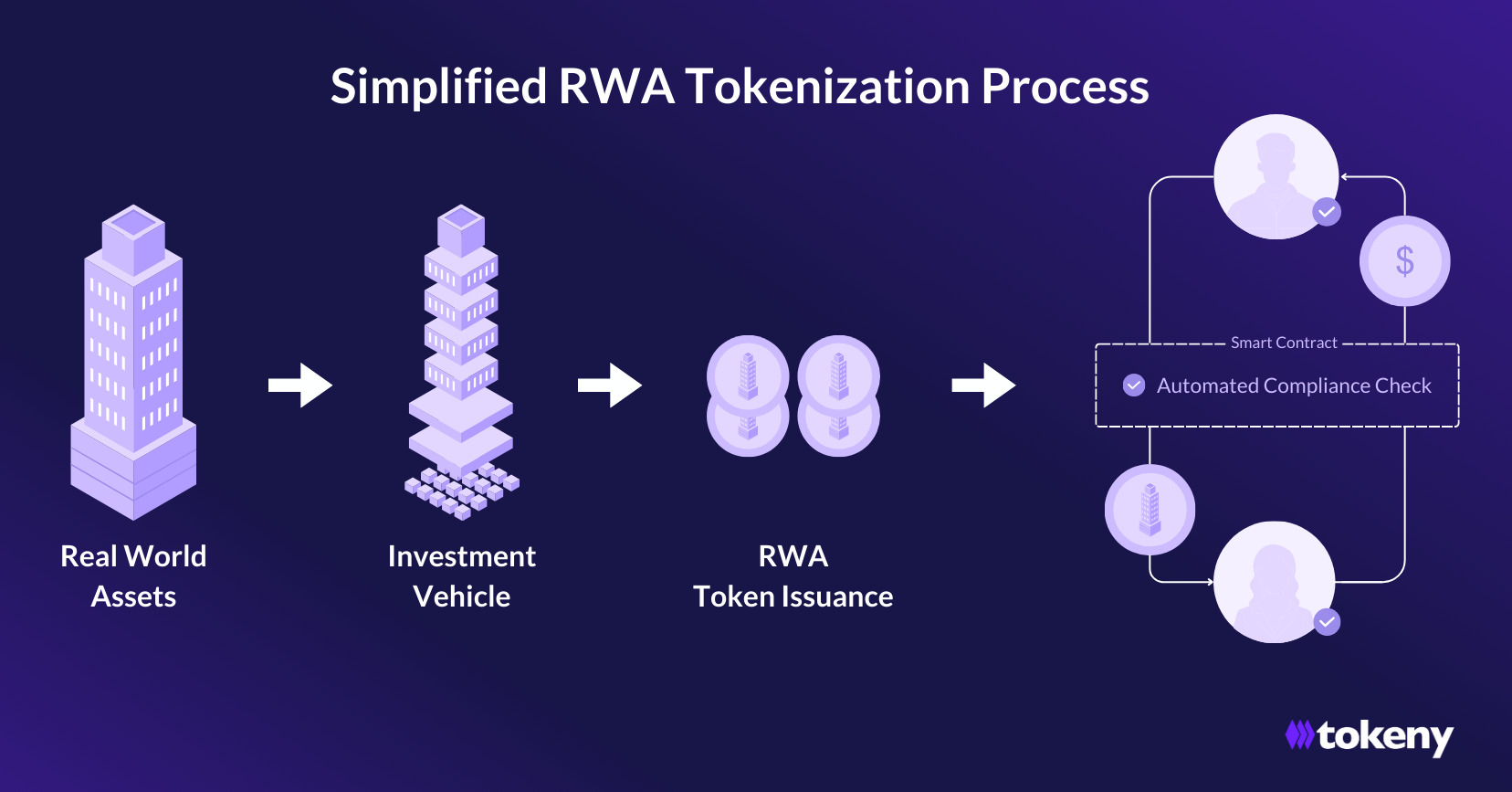
Institutional RWA prime brokerage is no longer confined to a single ledger. Modern prime services act as the liquidity bridge between isolated blockchain ecosystems, allowing institutions to manage assets across multiple chains without sacrificing security or compliance. This cross-chain capability transforms fragmented liquidity pools into a unified, accessible market for tokenized real-world assets.
Prime brokers facilitate this by providing a single point of access to diverse networks. Whether an institution holds tokenized real estate on one chain or private credit on another, the prime broker aggregates these positions. This consolidation simplifies risk management and reporting, which is essential for large-scale institutional adoption. The underlying infrastructure ensures that assets remain secure while moving through complex cross-chain workflows.
The technology behind this connectivity relies on trusted execution environments and verified bridge protocols. These systems allow for the atomic transfer of value between different blockchains, ensuring that the integrity of the underlying asset is maintained. Without this cross-chain liquidity, institutions would face significant friction, requiring separate custodial solutions and compliance checks for every blockchain they wish to utilize.
This unified approach mirrors the traditional prime brokerage model, where a single counterparty manages securities lending, financing, and prime execution. By extending this model to tokenized assets, institutions can achieve greater capital efficiency. They can leverage assets across chains to optimize their balance sheets, accessing liquidity where it is most abundant.
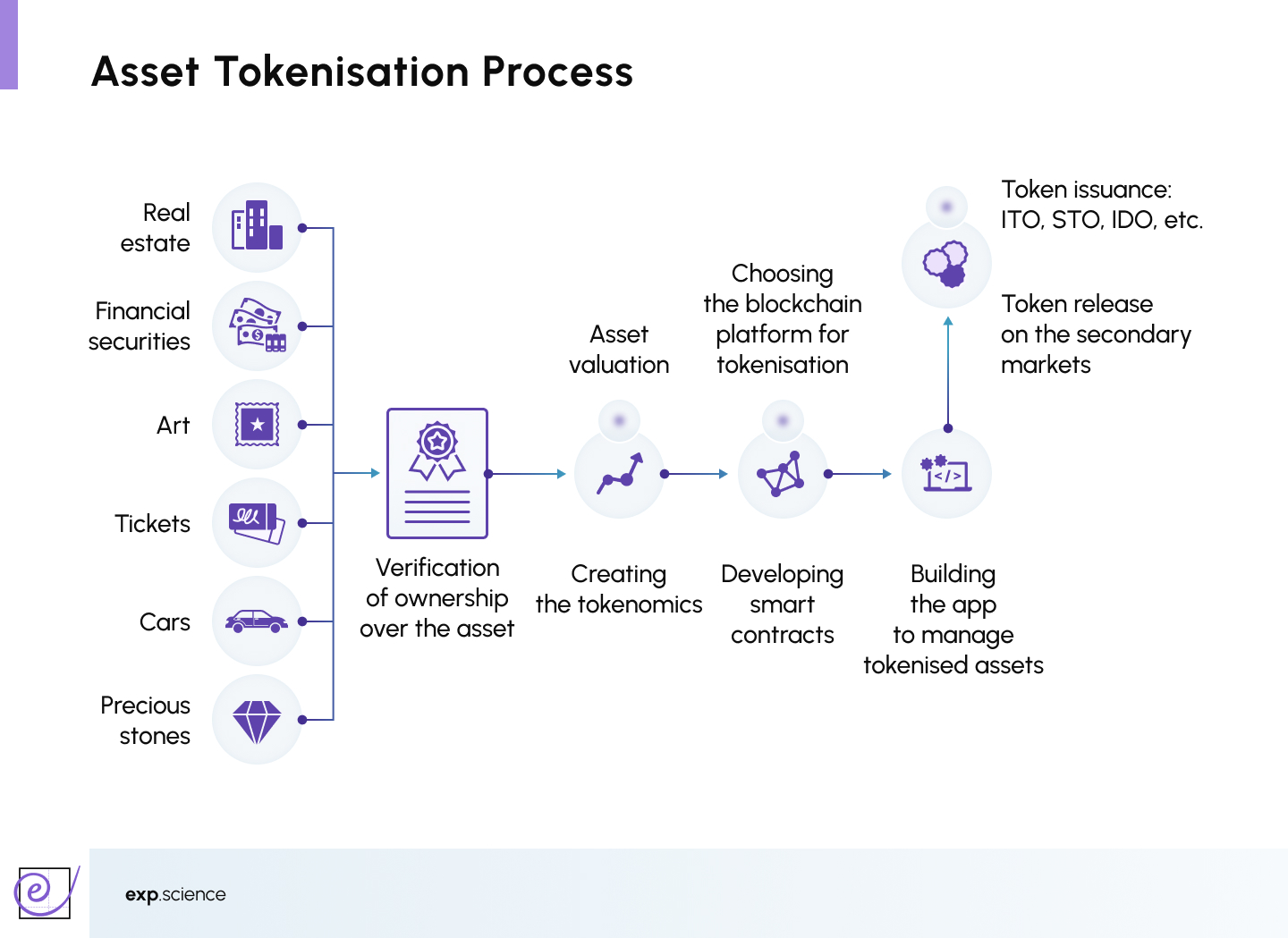
The result is a more resilient and liquid market for real-world assets. Institutions can move capital freely between ecosystems, responding to market opportunities in real-time. This cross-chain prime service model is becoming the standard for institutional RWA trading, setting the stage for a more interconnected financial system.
Key features of cross-chain prime brokerage
-
Unified Reporting
Consolidated risk and performance metrics across all supported blockchains, providing a single source of truth for institutional oversight. -
Atomic Cross-Chain Settlements
Secure, verified transfers of tokenized assets between networks, ensuring that ownership changes are synchronized and final. -
Multi-Chain Liquidity Aggregation
Access to deep liquidity pools across different ecosystems, allowing institutions to execute large trades with minimal slippage.
Who Is Moving RWA Prime Brokerage
The RWA prime brokerage market in 2026 is defined by a tight convergence of traditional capital markets infrastructure and on-chain settlement layers. This is not a free-for-all of unregulated platforms; it is an institutional corridor built by entities that already manage trillions in traditional assets. They are the ones providing the leverage, custody, and regulatory compliance that allow tokenized securities to trade with the same reliability as equities.
At the top of this hierarchy sit the legacy bulge-bracket firms. Banks like JPMorgan and Goldman Sachs are not merely experimenting here; they are deploying their existing prime brokerage engines to handle tokenized treasuries and private credit. Their advantage is simple: they already hold the balance sheets and the client relationships. When a hedge fund needs leverage against tokenized U.S. Treasuries, these institutions can offer it using the same risk models they apply to traditional collateral.
Parallel to the banks, specialized digital asset platforms like Coinbase Institutional and Kraken are building the plumbing for RWA settlement. They provide the on-ramps and off-ramps that traditional banks often avoid. Their role is less about lending and more about ensuring that tokenized assets can move instantly between wallets and bank accounts. This creates a dual-track system: banks provide the credit and custody, while crypto-native platforms provide the liquidity rails.
The players leading this space are those who can bridge the gap between the slow, batch-processed world of traditional finance and the instant, atomic nature of blockchain. They are the ones offering the "prime" services—leveraged lending, securities lending, and consolidated reporting—but for assets that live on distributed ledgers. This is where the real liquidity is flowing, and it is being managed by a select group of institutions that understand both sides of the ledger.
No comments yet. Be the first to share your thoughts!