
Defining the new prime brokerage layer
DeFi prime brokerage in 2026 represents a structural shift from isolated trading to integrated capital management. It functions as the infrastructure bridge connecting traditional finance compliance requirements with decentralized liquidity pools. This layer does not merely execute trades; it manages the complex risk parameters that institutional capital demands.
The core innovation lies in unified margin and rehypothecation controls. Legacy systems treat margin and collateral in silos, but DeFi-native prime brokers consolidate these functions. This allows for more efficient capital utilization across fragmented markets, reducing the idle cash that typically drags down yield. The goal is to replicate the efficiency of TradFi prime services while maintaining the composability of blockchain.
Providers like Project 0 are leading this transition by building infrastructure that supports these advanced functions. As noted by MacBrennan Peet in recent industry discussions, the focus for 2026 is on rebuilding prime brokerage from the ground up to handle unified margin requirements. This approach ensures that institutions can engage with DeFi without sacrificing the security audits and regulatory clarity that their compliance teams require.
This evolution transforms DeFi from a speculative playground into a viable alternative for institutional asset management. By solving the interoperability and risk management challenges, prime brokerage layers enable the next wave of onchain adoption.
Unified margin and capital efficiency
Institutional adoption of decentralized finance relies on more than just access to liquidity; it requires the same rigorous risk management found in traditional prime brokerage. The defining technical advantage for 2026 is the unified margin engine. Unlike legacy systems that silo assets across different venues, these engines allow institutions to offset risk across spot, derivatives, and lending protocols within a single, on-chain account.
This integration transforms how capital is deployed. By treating all positions as part of a consolidated portfolio, institutions can use idle assets in one market to collateralize exposure in another. This cross-margining capability significantly reduces the amount of capital tied up as reserve, freeing up liquidity for strategic deployment. For a treasury department managing a diversified portfolio, this efficiency is not merely a convenience—it is a fundamental requirement for competitive yield.
The infrastructure enabling this shift is built for security and auditability. Platforms like August Digital provide secure smart contract accounts paired with sophisticated pricing and risk engines, ensuring that margin calls and liquidations are handled with institutional-grade precision. These systems operate on-chain, meaning every margin calculation and risk offset is transparent and verifiable, addressing the primary concerns of regulated entities entering the space.
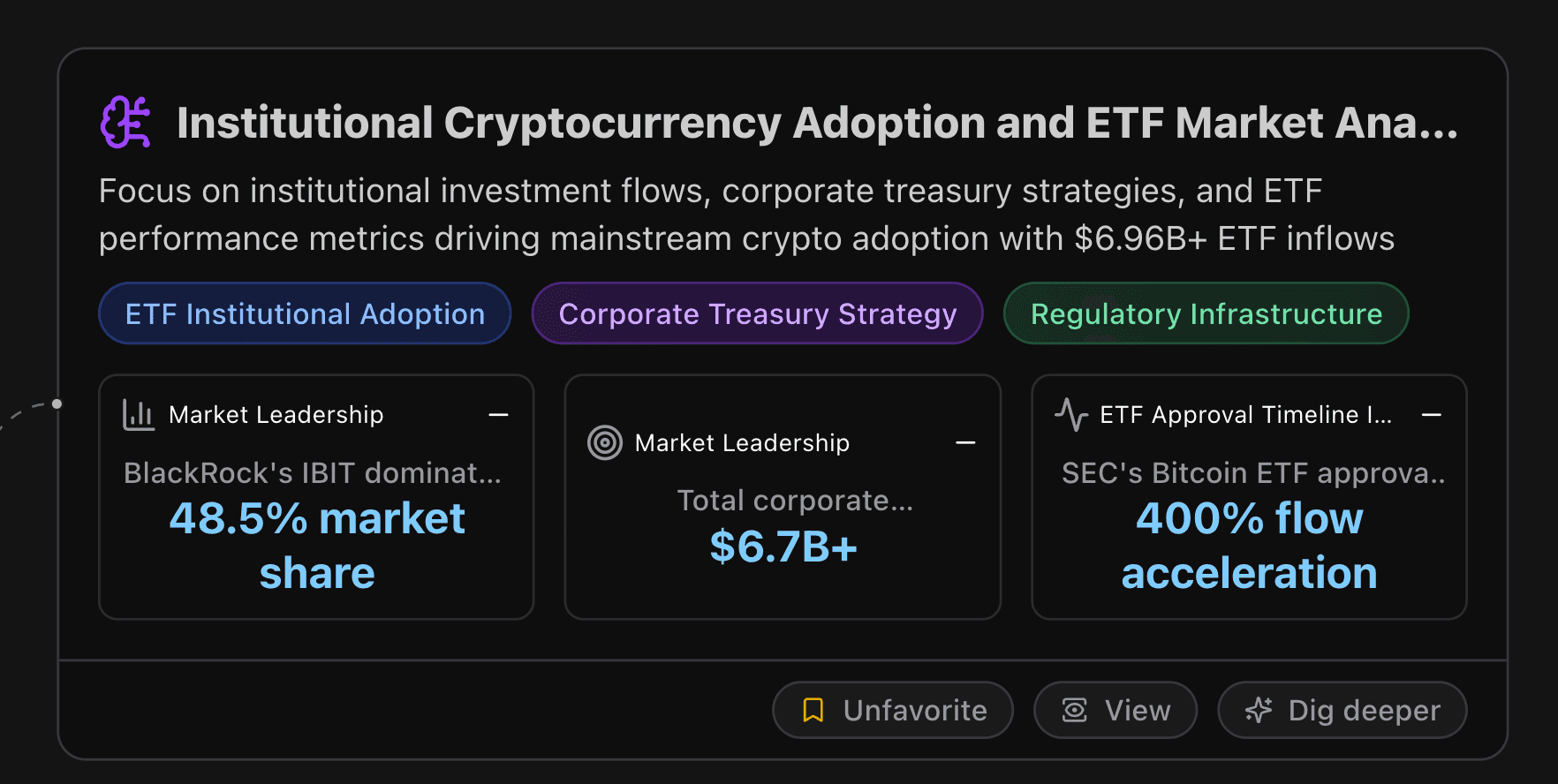
The necessity for such sophisticated margin management is underscored by the volatility inherent in digital asset markets. Understanding how capital flows during these swings is critical for risk officers.
Expanding the collateral universe through RWA tokenization
Real World Asset (RWA) tokenization is fundamentally altering the collateral landscape for institutional prime brokerage. By converting illiquid traditional assets—such as private credit, real estate, and treasury bills—into on-chain tokens, prime brokers can now offer a broader range of collateral options to sophisticated investors. This shift allows institutions to leverage traditional assets on-chain, bridging the gap between legacy finance and decentralized infrastructure.
The primary benefit for institutions is improved capital efficiency. Traditionally, pledging private credit or real estate for liquidity required complex, off-chain legal structures and significant time commitments. Tokenization streamlines this process, enabling near-instant settlement and verification of asset ownership. This efficiency reduces the friction associated with margin calls and collateral substitution, allowing capital to move more freely within the ecosystem.
However, the integration of RWAs introduces unique risk management challenges. Prime brokers must implement rigorous security audits and regulatory compliance frameworks to ensure the underlying assets are valid and liquid. The transparency of the blockchain aids in this process, but the off-chain legal wrappers remain a critical vulnerability. Institutions are increasingly prioritizing platforms that provide clear regulatory clarity and robust audit trails for their tokenized assets.
Emerging DeFi prime platforms are beginning to replicate the functionality of traditional prime brokers by integrating these tokenized assets. For instance, August, a crypto prime brokerage, connects clients with DeFi networks like Aave, Morpho, and Uniswap, facilitating lending and derivative trading. This model simplifies clearing between TradFi and DeFi at scale, offering a hybrid approach that leverages the speed of blockchain with the stability of traditional assets.
The following table compares the collateral eligibility and haircut structures between traditional prime brokers and emerging DeFi prime platforms, highlighting the differences in asset acceptance and risk management.
| Feature | Traditional Prime Broker | DeFi Prime Platform |
|---|---|---|
| Collateral Type | Cash, Equities, Bonds | Crypto, Tokenized RWAs |
| Settlement Time | T+2 Days | Real-Time |
| Haircut Structure | Static, Manual Review | Dynamic, Algorithmic |
| Regulatory Framework | Established, Jurisdiction-Specific | Evolving, Protocol-Based |
| Liquidity Access | Limited by Custodian | Global, 24/7 |
Security and Regulatory Risks
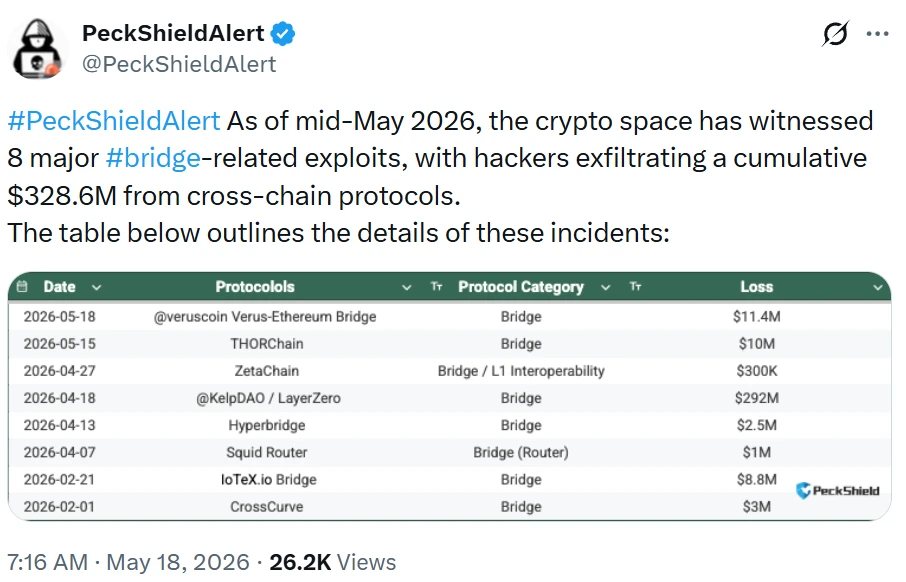
The transition to onchain prime brokerage in 2026 carries a risk profile that legacy institutions cannot ignore. While DeFi protocols offer yield multiples that traditional banking systems struggle to match, the security landscape has deteriorated sharply. Over $750 million was stolen in crypto security incidents this year alone, marking 2026 as the worst year on record for digital asset breaches.
This surge in losses underscores the fragility of current infrastructure. Institutional capital requires more than attractive yields; it demands assurance that smart contracts are immutable and audited. Without rigorous third-party verification, the potential for catastrophic loss remains too high for large-scale adoption. Prime brokers must now act as gatekeepers, filtering out protocols that lack robust security frameworks.
Regulatory clarity remains the other critical hurdle. Unlike traditional markets, where compliance is standardized, DeFi operates in a fragmented legal environment. Institutions need clear guidelines on custody, reporting, and liability to allocate capital efficiently. Until regulators provide a stable framework, prime brokerage services will remain constrained by the need for excessive due diligence and risk mitigation.
Key players shaping the market
The institutionalization of DeFi prime brokerage is no longer theoretical; it is being built by specialized infrastructure providers who treat on-chain liquidity with the same rigor as traditional markets. These firms are not merely aggregators. They are constructing the secure, audited, and compliant rails that allow capital allocators to enter decentralized networks without assuming custodial risk.
August Digital stands out for its focus on secure smart contract accounts and sophisticated risk engines. By connecting clients directly to lending and derivative protocols like Aave and Uniswap, August provides the pricing and execution infrastructure that institutions require for large-scale positioning. Their recent funding rounds signal strong confidence in this model of on-chain prime brokerage.
Project 0 is similarly focused on bridging the gap between Wall Street and DeFi. With plans to integrate perpetual markets and other complex instruments in 2026, Project 0 is building the technological backbone that allows for seamless access to decentralized liquidity. Their approach mirrors traditional prime brokerage services, offering financing and execution while managing the underlying smart contract risks.
FalconX continues to dominate the landscape as a leading digital asset prime broker. While historically rooted in centralized finance, FalconX’s deep liquidity and advanced technology solutions are increasingly critical for institutions navigating the hybrid nature of modern crypto markets. Their presence ensures that even as DeFi primitives evolve, the execution layer remains robust and familiar to institutional traders.
No comments yet. Be the first to share your thoughts!