
AI in DeFi prime brokerage: what actually works in 2026
The promise of AI-driven prime brokerage in decentralized finance often outpaces the underlying infrastructure. While narratives around automated trading and predictive liquidity attract significant capital, the reality is more grounded. In 2026, the most effective AI applications in DeFi prime brokerage are not about replacing human judgment entirely, but about handling the sheer volume of data and execution complexity that manual processes cannot manage.
Two distinct areas show tangible progress. First, AI algorithms now power automated trading systems that integrate big data analytics to adjust positions in real-time. This allows for more responsive liquidity provision, reducing the slippage that often plagues large trades in less liquid pools. Second, machine learning models are being used to assess counterparty risk across multiple protocols simultaneously, offering a layer of safety that static smart contracts alone cannot provide.
However, these tools are not magic bullets. As industry observers note, many financial narratives in crypto attract billions before the underlying economy matures. The risk remains high that over-reliance on AI models trained on incomplete or biased data could amplify market volatility rather than mitigate it. For now, the most prudent approach is to view AI as an augmentative layer for risk management and execution efficiency, rather than a standalone solution for complex prime brokerage needs.
Ai defi prime brokerage choices that change the plan
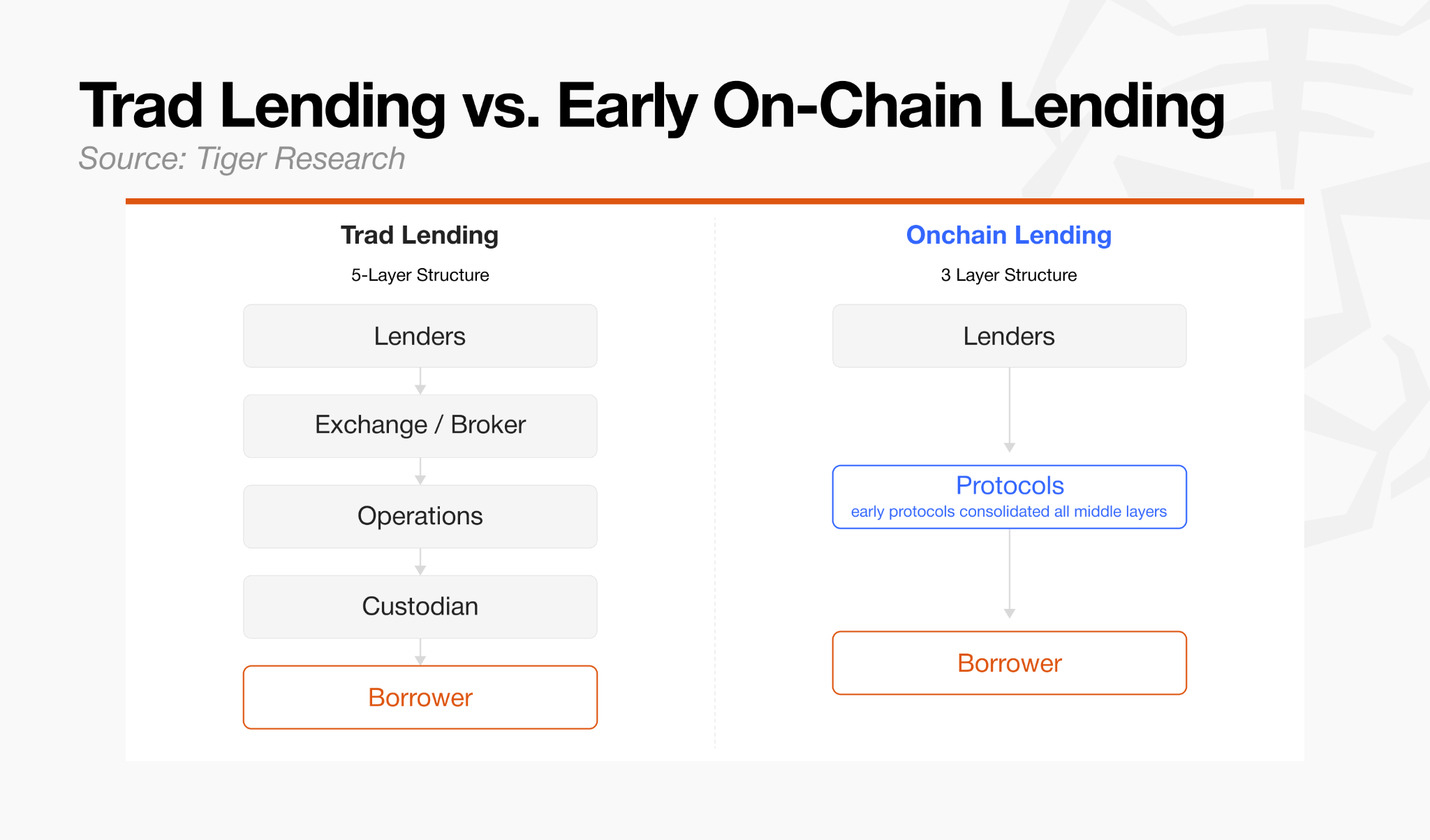
As AI agents and algorithmic traders migrate to decentralized finance, the role of the prime broker shifts from simple custodian to active risk manager. This transition introduces specific tradeoffs that institutions must evaluate before committing capital. The core tension lies between the speed of AI-driven execution and the transparency required for regulatory compliance.
Liquidity Fragmentation vs. Execution Speed
Decentralized liquidity is often fragmented across multiple protocols and layers. While this can offer better pricing through competition, it also means an AI agent must aggregate quotes from various sources, increasing latency. Traditional prime brokers consolidate liquidity, offering faster execution but at the cost of higher fees and less transparency. The tradeoff is clear: accept higher slippage for open access, or pay a premium for guaranteed, consolidated fills.
Smart Contract Risk vs. Counterparty Trust
In DeFi, smart contract code replaces the traditional counterparty. AI systems can execute complex strategies without human intervention, but they are also exposed to protocol vulnerabilities. A bug in a lending pool or liquidity aggregator can lead to immediate, irreversible losses. Traditional prime brokerage relies on established legal frameworks and insurance, providing a safety net that code alone cannot guarantee. Institutions must weigh the efficiency of trustless execution against the potential for catastrophic protocol failure.
Regulatory Visibility vs. Pseudonymous Access
AI-driven trading requires robust audit trails for compliance. DeFi protocols often prioritize pseudonymity, making it difficult to track the origin of funds or the nature of transactions in real-time. This lack of visibility can hinder an institution’s ability to meet anti-money laundering (AML) and know-your-customer (KYC) requirements. Traditional prime brokers provide full regulatory reporting, but they may restrict access to certain high-risk or novel DeFi assets. The choice involves balancing the openness of decentralized markets with the strict reporting demands of financial regulators.
Capital Efficiency vs. Collateral Requirements
DeFi platforms often offer higher capital efficiency through over-collateralization models that allow for leveraged positions without traditional margin calls. AI agents can optimize these positions dynamically, maximizing returns on idle capital. However, this efficiency comes with the risk of liquidation during volatile market conditions, which can be triggered by minor price fluctuations. Traditional prime brokerage offers more flexible margin structures but requires significant upfront capital reserves. The tradeoff is between maximizing return on capital in volatile markets and maintaining stability through higher collateral buffers.
| Factor | DeFi Prime Broker | Traditional Prime Broker |
|---|---|---|
| Liquidity | Fragmented, multi-protocol | Consolidated, single source |
| Risk Model | Smart contract code | Legal counterparty |
| Compliance | Pseudonymous, limited | Full KYC/AML reporting |
| Capital Use | High leverage, dynamic | High collateral, static |
Choose the next step
The Rise of AI-Driven Prime Brokerage works best as a clear sequence: define the constraint, compare the realistic options, test the tradeoff, and choose the path with the fewest hidden costs. That order keeps the advice usable instead of decorative. After each step, pause long enough to check whether the recommendation still fits the reader's actual situation. If it depends on perfect timing, unusual access, or a best-case budget, include a simpler fallback.


Spotting the Weak Links in AI Prime Brokerage Claims
As AI-driven prime brokerage becomes the standard for liquidity and risk management in 2026, the market is flooded with overhyped solutions. Not every platform delivering "AI-powered" features actually delivers the robust infrastructure required for high-stakes trading. Investors and firms must look past the marketing buzzwords to identify which tools offer genuine operational value and which are merely rebranded legacy systems.
The "AI" Label Without Data Infrastructure
Many providers slap an "AI" badge on standard algorithmic trading bots without the necessary data pipelines. True AI-driven prime brokerage requires massive, real-time data ingestion to manage liquidity effectively. If a platform relies on historical data or delayed feeds, its risk management models are essentially driving blindfolded. Always verify the data latency and source quality before trusting the AI’s execution logic.
Vague Risk Management Frameworks
A common mistake is accepting platforms that cannot clearly explain their risk parameters. Effective AI risk management should offer granular controls, such as dynamic margin requirements and real-time exposure limits. Be wary of solutions that promise "automated risk mitigation" without detailing the specific algorithms or stress-testing methodologies they use during market volatility.
Hidden Liquidity Fragmentation
Some AI prime brokers claim deep liquidity but actually route orders through fragmented pools, leading to slippage and poor fills. This is especially prevalent in DeFi-integrated prime brokerage where liquidity is not always consolidated. Check for transparent routing algorithms and historical fill-rate data to ensure the AI is actually optimizing liquidity rather than just chasing volume metrics.
Ai in defi prime brokerage 2026: what to check next
As AI-driven prime brokerage becomes standard in 2026, operators face distinct technical and regulatory hurdles. These questions address the practical tradeoffs between automated efficiency and onchain transparency.
How does AI improve liquidity in DeFi prime brokerage?
AI models analyze order book depth and historical volatility to predict optimal liquidity provision strategies. By dynamically adjusting pool weights and rebalancing positions, algorithms reduce slippage for large institutional orders. This automation allows prime brokers to offer tighter spreads without requiring excessive capital reserves, effectively bridging the gap between traditional finance efficiency and decentralized execution.
What are the main risks of using AI agents for risk management?
The primary risk lies in model drift and over-reliance on historical data during anomalous market conditions. AI agents may fail to recognize novel attack vectors or flash crashes that deviate from established patterns. Also, the opacity of complex neural networks can obscure the exact logic behind liquidation decisions, making it difficult for users to audit why a position was closed. Robust fallback mechanisms and human oversight remain essential.
Will AI prime brokers replace traditional custody solutions?
Not entirely, but they will significantly alter custody workflows. AI agents can manage multi-signature setups and monitor wallet health in real-time, reducing the need for manual intervention. However, they do not replace the underlying security of cold storage or the legal recourse provided by regulated custodians. Instead, AI acts as an intelligent layer that orchestrates asset movement across hot and cold wallets based on predefined risk parameters.
How do regulatory requirements impact AI-driven DeFi operations?
Regulators are increasingly scrutinizing the transparency of algorithmic decision-making. Prime brokers must ensure that AI systems can provide clear audit trails for every trade, liquidation, and rebalancing action. This requirement pushes developers toward interpretable AI models rather than black-box systems. Compliance also demands that AI agents adhere to jurisdiction-specific rules regarding client asset segregation and reporting, adding complexity to cross-border DeFi operations.
Helpful gear
Use these product recommendations as a starting point, then choose the size, material, and price point that fit how you actually use the gear.


As an Amazon Associate, we may earn from qualifying purchases.
No comments yet. Be the first to share your thoughts!