
Rwa prime brokerage limits to account for
Risk-weighted assets are no longer just a regulatory checkbox; they are the primary binding constraint on hedge fund financing. More banks now use RWA limits to assess client business, effectively capping the leverage prime brokers can offer on specific asset classes. This shift turns balance sheet capacity into a scarce resource, forcing firms to prioritize relationships and asset quality over pure volume.
The distinction between capital and RWA is critical here. Capital is the bank’s own money held as a cushion against losses, while RWA is a calculated metric that determines how much capital must be set aside for each asset. A prime broker’s ability to finance trades depends on its RWA headroom, not just its total capital base. When RWA constraints tighten, financing costs rise for clients holding riskier or less liquid assets.
This dynamic reshapes the competitive landscape. Prime brokers affiliated with global systemically important banks (GSIBs) face stricter RWA limits, often making their financing more expensive than non-bank alternatives. Clients must now evaluate prime brokers based on their RWA efficiency and balance sheet flexibility, not just fee schedules. Understanding these constraints is essential for navigating the 2026 prime brokerage environment.
Evaluating rwa prime brokerage choices that change the plan
Real-world asset prime brokerage sits at the intersection of traditional finance infrastructure and blockchain efficiency. The model promises faster settlement and broader collateral options, but it introduces new layers of operational and regulatory complexity. Evaluating the tradeoffs requires looking beyond headline yields to the underlying mechanics of custody, compliance, and liquidity.
The core tension lies in balancing the speed of on-chain settlement with the rigorous requirements of traditional banking. Prime brokers must navigate conflicting regulatory frameworks, often operating in gray areas where digital asset classification remains unsettled. This creates a unique risk profile that differs significantly from conventional equity or fixed-income prime services.

The following comparison highlights the primary dimensions where institutions and funds must weigh their options. Each column represents a distinct approach to handling RWA collateral, with inherent strengths and limitations.
| Tradeoff Factor | On-Chain Native | Hybrid Bridge | Traditional Custody |
|---|---|---|---|
| Settlement Speed | Near-instant (seconds) | Minutes to hours | Days (T+2) |
| Regulatory Clarity | Low (evolving) | Medium (mixed) | High (established) |
| Custody Risk | Key management & smart contract | Dual-layer complexity | Institutional insurance |
| Liquidity Access | Fragmented pools | Consolidated venues | Deep institutional books |
| Compliance Overhead | High (automated KYC) | Medium (manual checks) | Low (standardized) |
The choice between these models often depends on the specific regulatory jurisdiction and the type of underlying asset. On-chain native solutions offer speed but demand robust technical due diligence regarding smart contract security. Hybrid models attempt to bridge the gap but introduce operational friction during the off-chain to on-chain transition. Traditional custody provides familiarity but may negate the efficiency gains that motivated the RWA strategy in the first place.
Key evaluation criteria
-
Smart Contract Audits
Verify third-party security assessments for any on-chain settlement layer, focusing on past incident history. -
Regulatory Jurisdiction
Confirm which legal framework governs the custody and settlement, especially for cross-border funds. -
Liquidity Depth
Assess the ability to exit positions quickly without significant slippage, particularly for illiquid RWAs.
Ultimately, the tradeoff is not just about technology but about risk allocation. Institutions must decide how much operational risk they are willing to absorb in exchange for settlement efficiency. As the RWA market matures, these distinctions will likely blur, but for now, the choice remains a critical strategic decision.
How to evaluate RWA prime brokerage services
The rise of tokenized assets has shifted prime brokerage from a back-office function to a strategic bottleneck. As banks face tighter balance sheet constraints, their ability to finance RWA positions is no longer guaranteed. Institutions must now treat RWA capacity as a binding constraint, similar to how they manage traditional credit lines.
Here is a practical framework for assessing prime brokers in the RWA era.
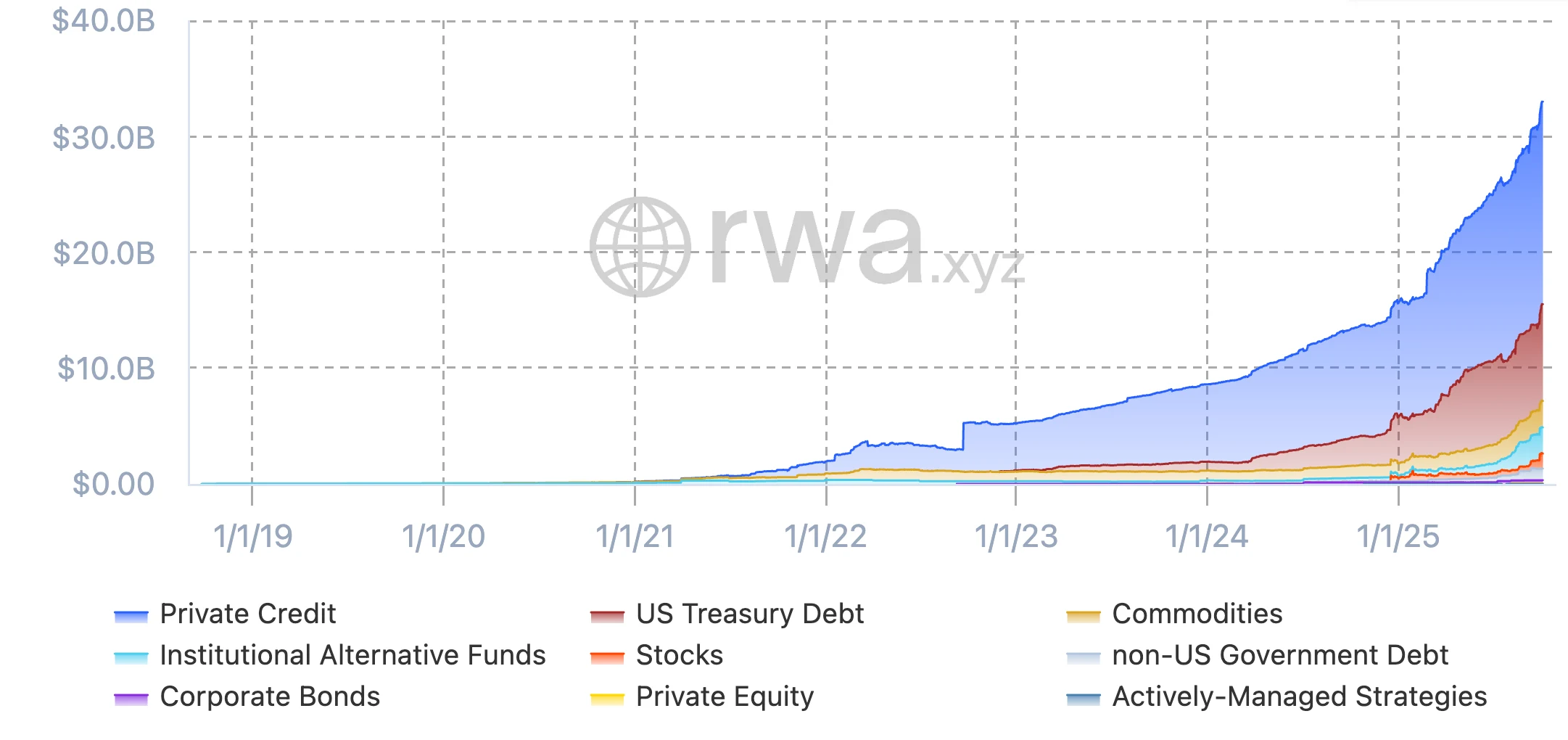
Regulatory capital rules force banks to hold capital against Risk-Weighted Assets (RWAs). Unlike traditional securities, tokenized assets often carry higher risk weights until they achieve full regulatory clarity. A prime broker’s RWA capacity determines how much collateral they can accept. Ask for their current RWA utilization rates and their projected limits for 2026. If they are near capacity, your RWA positions may be rejected or priced at a premium.
Haircuts—the discount applied to collateral value—vary wildly between tokenized real estate, private credit, and government bonds. Some prime brokers apply legacy commercial real estate haircuts to tokenized versions, ignoring the liquidity benefits of on-chain settlement. Request a side-by-side comparison of their haircut schedules. A lower haircut on tokenized private credit, for example, can significantly improve your leverage and return on capital.
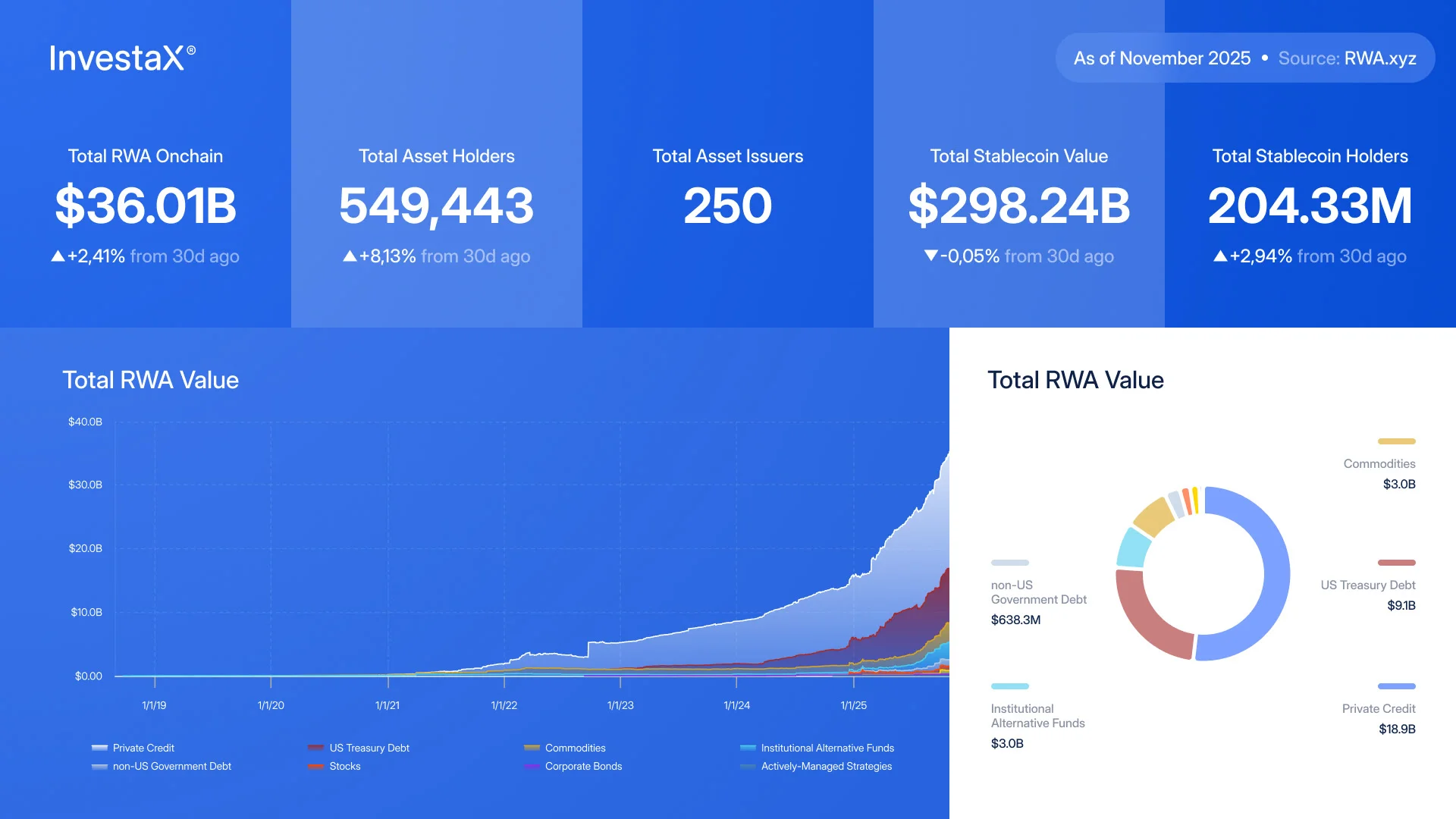
RWA prime brokerage requires dual-settlement expertise. You need a provider who can handle both traditional fiat settlement and on-chain token transfer. Ask if they use atomic settlement to eliminate counterparty risk between the asset transfer and the cash payment. If they rely on delayed settlement, you face settlement risk that can erode profits during volatile markets.
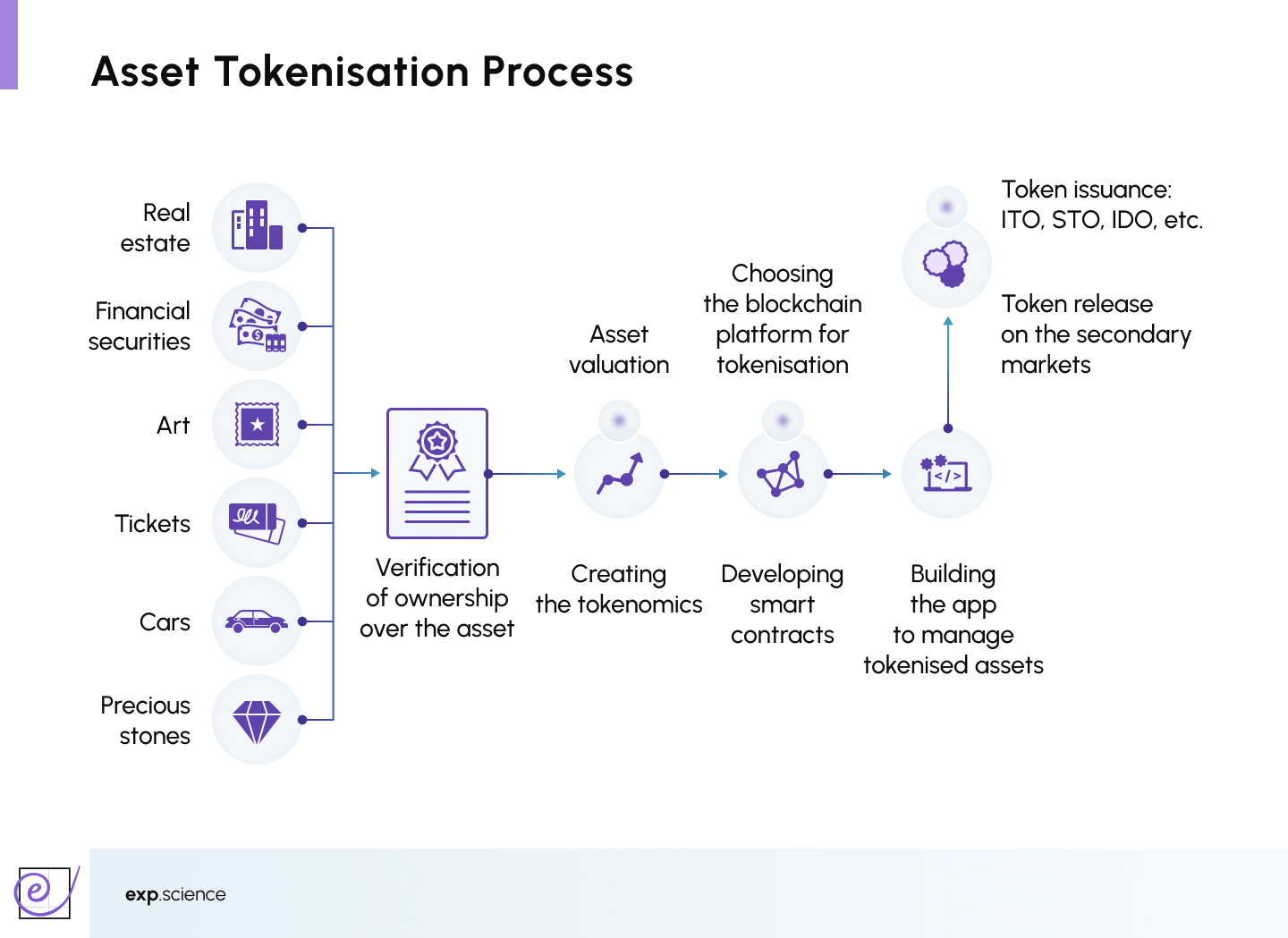
Regulatory treatment of RWA is still evolving. A prime broker’s compliance framework must align with your jurisdiction’s stance on digital assets. If they operate in a gray area, they may freeze assets during regulatory reviews. Ensure they have explicit licensing or exemptions for holding and transferring tokenized securities. This reduces the risk of operational disruption.
Spotting Weak RWA Prime Brokerage Options
As real-world asset (RWA) prime brokerage matures, distinguishing robust infrastructure from superficial wrappers becomes critical. Many platforms still treat tokenized assets like traditional securities, ignoring the unique settlement and custody nuances that define the space. This section highlights common pitfalls and weak options to avoid in 2026.
Ignoring regulatory capital limits to account for
Some prime brokers overlook the impact of risk-weighted assets (RWA) on their balance sheet efficiency. While RWA helps determine how much capital a bank needs to hold, treating it as equivalent to actual capital is a fundamental error. Capital is the bank's own money acting as a cushion against losses, whereas RWA is a regulatory calculation. Platforms that fail to optimize wallet structures against these constraints will face binding limits on their financing services.
Overlooking Settlement Finality
Weak options often promise instant settlement without addressing the underlying blockchain finality. In RWA prime brokerage, the speed of trade execution means little if the asset transfer isn't legally and technically final. Look for platforms that integrate with established settlement layers rather than relying on unproven internal ledgers. Without true finality, your prime brokerage service is just a delayed traditional trade with higher counterparty risk.
Poor Custody Integration
Many emerging platforms still treat custody as an afterthought, plugging in generic wallet solutions. Effective RWA prime brokerage requires custody that understands both the digital token and the underlying legal entity. If the platform cannot seamlessly bridge the on-chain token with off-chain legal ownership records, you are exposed to significant operational risk. Avoid options that require manual reconciliation between your prime broker and custodian.
No comments yet. Be the first to share your thoughts!